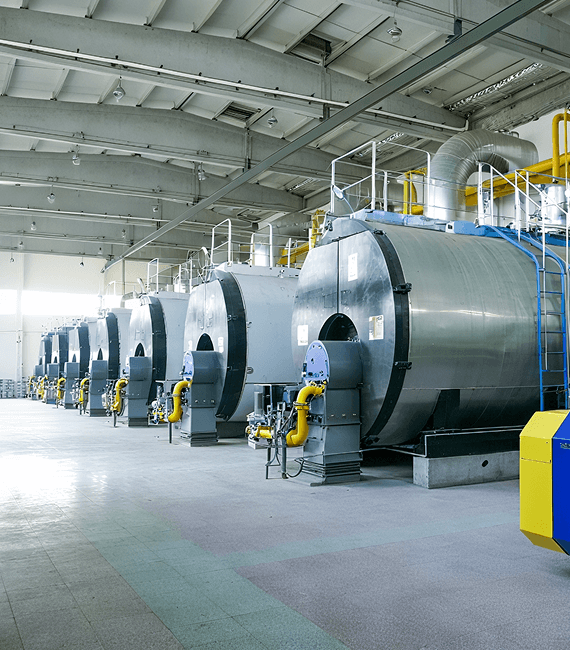

Biomass steam boilers and coal-fired boilers are both mainstream equipment for industrial steam supply, capable of producing saturated or superheated steam meeting specified parameters. However, there are fundamental differences between the two in the entire process from fuel feeding to flue gas discharge. These differences do not stem from the boiler's external design but rather from the inherent physical and chemical properties of the fuels themselves, which lead to variations in combustion methods, furnace structure, operational logic, and maintenance requirements.
This article will compare biomass and coal-fired boilers across multiple dimensions—including fuel characteristics, combustion systems, furnace design, efficiency and capacity, emissions, ash handling, fuel storage and transportation, operation and maintenance, and overall cost—to help industrial users understand the technical distinctions between the two types of boilers and provide a basis for informed selection decisions.
A biomass steam boiler is a steam-generating device that utilizes biomass fuel as its heat source. Common fuels include forestry and agricultural waste such as wood pellets, wood chips, straw, rice husks, and palm shells. Heat is released through fuel combustion within the furnace, and water is heated into steam via heat-transfer surfaces; these boilers are widely used in industrial sectors such as food processing, textile printing and dyeing, pharmaceuticals, and district heating.
Compared to coal-fired boilers, the core characteristic of biomass boilers is their design, which specifically addresses fuel properties such as high volatility, high moisture content, and unique ash composition. Targeted structural adjustments are implemented throughout the system—from the fuel inlet and furnace chamber to the downstream heat-transfer surfaces.
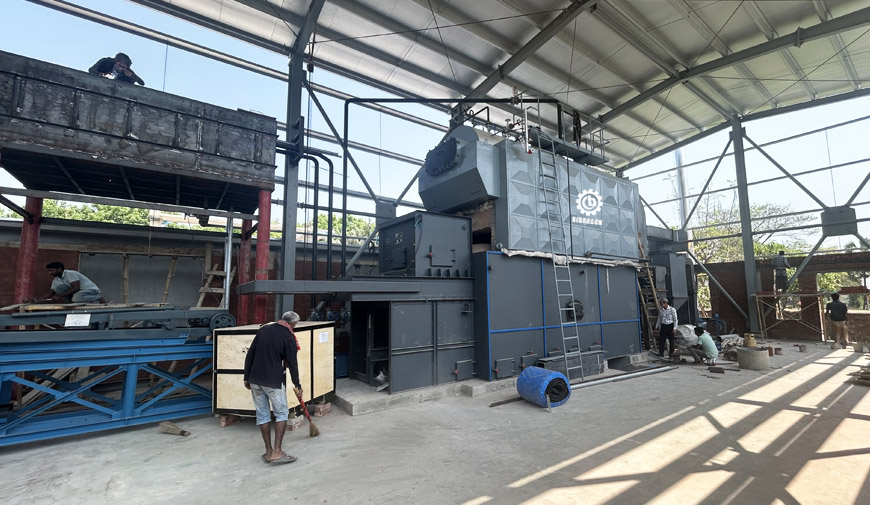
Coal-fired boilers use coal—such as bituminous coal, anthracite, or lignite—as fuel and have served as the mainstay equipment for industrial steam systems over the past few decades. Depending on the combustion method, they can be classified into grate-fired (layer combustion) boilers, fluidized bed boilers, and pulverized coal boilers; their capacities range from small industrial units (a few tons) to massive power plant boilers (thousands of tons).
The design logic of coal-fired boilers centers on coal's characteristics: stable calorific value, moderate volatile matter, and high ash content. These boilers offer high fuel adaptability and mature operational technology.
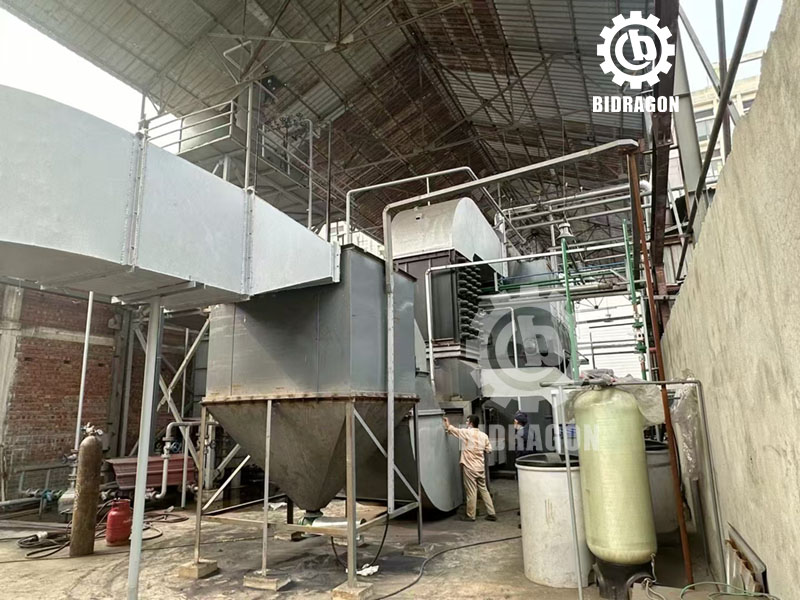
From the perspective of energy flow, the fundamental logic for both boiler types is identical: fuel enters the furnace and burns, releasing chemical energy; high-temperature flue gas transfers heat via radiation and convection to the water inside the boiler drum and tube bundles, causing the water to vaporize into steam; and combustion residues are separated into bottom ash and fly ash, which are discharged from the furnace bottom and the flue gas stream, respectively.
This process can be simplified into a universal pathway: Fuel → Combustion/Heat Release → Heat Transfer → Water Evaporation/Steam Generation → Flue Gas and Ash Discharge. While the pathway appears identical, the specific implementation of each stage differs significantly due to the distinct characteristics of the fuels involved.
Many users wonder: why is there such a significant difference in price and size between a biomass-fired boiler and a coal-fired boiler, even when both have a steam output of 10 tons per hour?
The answer is simple: evaporation capacity is merely the final output. Factors such as furnace size, grate type, heating surface arrangement, and air supply volume are all determined by the fuel. To produce the same ton of steam, wet biomass requires a much larger volume than coal; furthermore, because biomass releases volatiles more rapidly, it necessitates a larger combustion chamber and a longer residence time. Selecting a boiler based solely on rated evaporation capacity often leads to issues such as insufficient output, unstable combustion, and severe slagging.
The root cause of all technical differences between these two types of boilers lies in the fuel itself. Coal is a fossil fuel formed over hundreds of millions of years of geological processes; it is characterized by stable composition, high density, and high calorific value. In contrast, biomass is a plant-based fuel with highly variable moisture content, high volatile matter, and a unique ash composition.
Boiler design does not involve selecting a boiler first and then choosing a fuel; rather, it begins with defining the fuel parameters, followed by matching the appropriate combustion system, furnace structure, and heating surfaces. Understanding this concept is fundamental to grasping all the technical differences involved.

Fuel serves as the starting point for a boiler system; the root causes of issues related to combustion, design, and operation can all be traced back to fuel characteristics. This chapter focuses solely on the differences in the fuel's intrinsic parameters, without addressing how the boiler system accommodates them.
The "as-received" moisture content of biomass is generally higher than that of coal and exhibits greater fluctuation. For common woody biomass, as-received moisture typically ranges from 15% to 30%, while fresh straw or wet sawdust can exceed 40%. In contrast, the as-received moisture content of ordinary bituminous coal is mostly between 8% and 15%, and that of anthracite is even lower—usually under 5%.
Moisture itself does not generate heat; instead, the evaporation of moisture within the fuel absorbs heat, directly reducing the fuel's effective heating value. High-moisture fuels are more difficult to ignite, as significant heat is consumed for drying during the initial combustion phase, which can easily lead to low furnace temperatures and unstable combustion.
In practical engineering projects, the as-received moisture content of the fuel must be measured directly rather than relying solely on air-dried basis data provided by suppliers. For the same batch of fuel, moisture levels can vary by more than 10 percentage points depending on the season (wet vs. dry) and storage conditions (open-air vs. enclosed), significantly impacting operational performance.
Volatile matter refers to the gaseous substances—primarily hydrocarbons, carbon monoxide, and hydrogen—released when fuel is heated in the absence of air; these components play a key role in fuel ignition and the initial stages of combustion.
Biomass generally has a very high volatile matter content: typically 70%–80% for woody biomass and 65%–75% for straw. In contrast, bituminous coal usually contains 20%–40% volatile matter, while anthracite contains less than 10%.
High volatile matter content means biomass has a low ignition temperature and ignites rapidly, releasing a large volume of combustible gases into the furnace within a short period. However, if the furnace space is insufficient or air distribution is improper, these volatiles may be carried away by flue gases before they can fully combust, resulting in chemical incomplete combustion losses. Coal, with its lower volatile matter content, ignites relatively slowly but undergoes a more gradual and controllable combustion process.
Calorific value is a key indicator of a fuel's energy density. In industrial applications, the Lower Heating Value (LHV)—representing the actual usable heat after deducting the latent heat of vaporization for moisture—is typically used for calculations.
The LHV of typical bituminous coal ranges from approximately 18 to 25 MJ/kg, while high-quality anthracite can reach 25 to 29 MJ/kg. For woody biomass, the LHV is roughly 15 to 19 MJ/kg; for straw-based biomass, it is about 12 to 16 MJ/kg; and for materials like rice husks and fruit shells, values vary by variety.
A common mistake users make when comparing fuel costs is focusing solely on the price per tonne. A twofold difference in calorific value implies a twofold difference in the weight of fuel required to generate the same amount of heat. Assessing fuel cost-effectiveness requires a comprehensive calculation factoring in LHV, moisture content, and boiler efficiency, rather than looking only at the price per tonne.
Ash content refers to the solid residue remaining after the fuel has undergone complete combustion. Woody biomass typically has low ash content, mostly ranging from 0.5% to 3%. Agricultural waste has slightly higher ash content—typically 5% to 15% for straw and rice husks—whereas coal varies significantly, with ordinary bituminous coal ranging from 10% to 30% and low-quality coal even higher.
More important than the ash content itself is the ash fusion temperature—the temperature at which ash particles soften, deform, and melt upon heating. The softening temperature for coal ash generally falls between 1100°C and 1500°C, varying markedly by coal type. In contrast, biomass ash generally has a lower softening temperature due to high alkali metal content; the softening temperature for some straw-based ash can even be below 1000°C.
Ash content alone cannot determine the operational risks for a boiler. Some fuels have low ash content but a low ash fusion temperature, which can still lead to severe slagging; conversely, some coals have high ash content but a high ash fusion temperature, resulting in more stable operation.
Differences in the chemical composition of biomass ash and coal ash have a greater impact than differences in total ash content. Biomass ash contains significant amounts of alkali metals (such as potassium and sodium) and chlorine; agricultural wastes—particularly straw, rice husks, and palm shells—exhibit potassium and chlorine levels far exceeding those found in coal. In contrast, coal ash is primarily composed of oxides of silicon, aluminum, iron, and calcium.
Alkali metals like potassium and sodium lower the ash fusion temperature; at the high temperatures within the furnace, they form molten ash particles that adhere to water walls and heat-transfer surfaces, resulting in slagging. Chlorine reacts with metal tube walls at high temperatures, exacerbating high-temperature corrosion on heat-transfer surfaces. Under specific conditions, silicon also reacts with alkali metals to form low-melting-point eutectics, further aggravating ash deposition and slagging.
These compositional differences are the fundamental reason why slagging and corrosion issues in biomass boilers are distinct from—and more complex than—those in conventional coal-fired boilers.
Differences in fuel characteristics necessitate completely different combustion technology approaches. This chapter introduces the common combustion methods used in these two types of boilers and their respective application scenarios.
Layer combustion is the most common method for small- and medium-sized biomass boilers. Fuel is spread across a grate to form a fuel bed; air is supplied from beneath the grate, and the combustion process proceeds through the thickness of the fuel bed. There are three common types of grates:
Fixed grates feature the simplest structure and allow for manual or mechanical feeding. They are suitable for small boilers and for biomass briquettes or pellets that have high calorific value and uniform sizing. However, they suffer from poor combustion uniformity and limited load-adjustment capability.
Chain grates utilize a continuously moving chain belt to automate fuel feeding and ash discharge. The combustion process along the length of the grate is divided into distinct zones: drying, volatile matter release, coke combustion, and burnout. This is currently the mainstream design for industrial biomass boilers, accommodating various fuels such as wood chips, pellets, and chopped straw.
Reciprocating grates move fuel forward through the back-and-forth motion of grate bars, which simultaneously agitate the fuel bed. This design offers superior adaptability for high-moisture or agglomeration-prone biomass fuels, ensuring more complete combustion; it is particularly suitable for agricultural wastes with high moisture content.
Different biomass fuels impose varying requirements regarding grate type, ventilation area, and fuel feeding location. For instance, high-moisture fuels require a longer drying zone, while fuels with high volatile content necessitate a more optimized secondary air arrangement; a single grate design cannot simply be applied across the board.
The principle of fluidized bed combustion involves introducing air through a distribution plate to fluidize the bed material (typically quartz sand) within the furnace. Once added, the fuel mixes thoroughly with the high-temperature bed material, leading to rapid ignition and combustion. Common types include Bubbling Fluidized Bed (BFB) and Circulating Fluidized Bed (CFB).
In a bubbling fluidized bed, the bed velocity is relatively low, and the bed material fluidizes primarily in the lower section of the furnace; this setup is suitable for biomass fuels with low calorific values and high moisture content, and it accommodates a wider range of fuel particle sizes.
Circulating fluidized beds operate at higher velocities, where a large volume of fine particles is carried out of the furnace by flue gas, collected by a separator, and returned to the furnace for recirculated combustion. This results in higher combustion efficiency and makes the technology suitable for large-capacity boilers and biomass fuels with complex compositions, though it does require a certain level of fuel particle size uniformity.
Fluidized bed boilers offer broad fuel adaptability and maintain uniform, relatively low furnace temperatures, effectively mitigating slagging issues; consequently, they are a common technological choice for large and medium-sized biomass projects.
Combustion technologies for coal-fired boilers are more mature and cover a wider capacity range.
Layer-combustion coal boilers predominantly utilize chain grates; widely applied in small-to-medium capacity industrial boilers, they are suitable for granular raw coal, feature mature technology, and offer simple operation and maintenance.
Coal-fired fluidized bed boilers also come in bubbling and circulating varieties. They are suitable for fuels such as low-grade coal, high-sulfur coal, and coal gangue. Limestone can be added directly into the furnace for desulfurization, resulting in superior environmental performance compared to standard layer-combustion boilers.
Pulverized coal combustion is the mainstream technology for large-capacity utility boilers. Coal is ground into fine powder and injected into the furnace with primary air for suspension combustion. While this method offers high combustion efficiency and strong load-adjustment capabilities, the system is complex and entails high investment and operating costs, making it generally suitable only for large power plants.
There is no universal combustion technology; every furnace type is designed with specific fuel characteristics in mind. Fuel particle size determines suitability for grate firing, fluidized bed combustion, or pulverized coal combustion; moisture content affects the length of the drying zone and furnace temperature; volatile matter content dictates the air distribution strategy and furnace volume; calorific value influences feed rates and heat load distribution; and ash characteristics determine the risk of slagging and the method of ash discharge.
Forcing a coal-fired boiler to burn biomass, or using a biomass boiler to burn fuel that does not meet design specifications, leads to consequences ranging from reduced efficiency and insufficient output to severe issues like slagging, forced shutdowns, and equipment damage. Matching the combustion system to the fuel is a prerequisite for the boiler's long-term, stable operation.
Fuel characteristics dictate the combustion method, while furnace design and combustion control are the primary means of adapting the boiler to those characteristics. In this chapter, we examine—from both structural and operational perspectives—how the two types of boilers handle different combustion traits.
Biomass has a high volatile matter content; upon entering the furnace, the fuel releases a large volume of combustible gases in a short period. These gases require sufficient space and time to mix thoroughly with air and undergo complete combustion.
Consequently, for a given capacity, biomass boilers typically feature larger furnace volumes and greater heights than coal-fired boilers. This design aims to extend the residence time of flue gas in the high-temperature zone, ensuring the complete burnout of volatile matter. If the furnace volume is insufficient, large amounts of unburned volatiles are carried over to the downstream heating surfaces; this not only reduces efficiency but can also trigger secondary combustion within the flue gas ducts, creating safety hazards.
Coal-fired boilers release volatile matter relatively gradually, placing fewer demands on furnace volume and allowing for a more compact design at the same capacity. This is particularly true for pulverized coal boilers, where fuel burns in suspension with excellent flame filling, permitting a higher volumetric heat load design.
The air supply system is central to combustion control, comprising primary and secondary air; the logic behind air distribution differs significantly between the two boiler types.
Primary air is introduced from beneath the grate or air distribution plate; its main function is to supply oxygen to the fuel bed while simultaneously drying the fuel and maintaining the bed temperature. Biomass fuels have high volatile content and require significant oxygen during the initial combustion phase; the primary air ratio and velocity must be matched to the rate of volatile release to avoid oxygen deficiency early on and excess oxygen later.
Secondary air is injected at various heights in the upper furnace to agitate flue gas and replenish oxygen, ensuring thorough mixing and combustion of volatiles within the furnace. Biomass boilers rely heavily on secondary air; they typically feature multiple levels of secondary air ports to implement staged air combustion, which ensures complete burnout while suppressing nitrogen oxide (NOx) formation.
Improper air distribution manifests most directly as increased carbon monoxide (CO) emissions and higher losses due to chemical incomplete combustion. For the same boiler, adjustments to the air distribution ratio are necessary whenever fuel moisture content or calorific value changes.
Furnace temperature is a key indicator of combustion status; both excessively high and excessively low temperatures cause problems.
If the temperature is too low, fuel ignition becomes difficult and combustion reaction rates slow down, leading to incomplete combustion; losses from CO and unburnt carbon rise significantly, reducing boiler efficiency. Due to their high moisture content, biomass fuels are prone to lower furnace temperatures, particularly during startup and low-load operation.
If the temperature is too high, ash particles may soften or melt, adhering to water walls and heat-transfer surfaces to form slag, while also accelerating high-temperature corrosion. Biomass ash has a low melting point, making the system more sensitive to upper temperature limits; many biomass boilers maintain furnace temperatures between 850°C and 950°C specifically to avoid the ash softening temperature range. In contrast, coal-fired boilers handle ash with higher melting points, allowing for furnace temperatures of 900°C to 1100°C or even higher.
Coal quality is generally stable; fluctuations in calorific value, moisture, and ash content within a single coal type are minimal, making combustion conditions easier to control. In contrast, fluctuations in biomass fuel quality are the norm; significant differences in moisture, calorific value, and particle size can occur between batches, origins, and seasons. To manage fluctuations, operators adjust fuel feed and air supply rates to maintain stable furnace temperatures and steam pressure; simultaneously, the automatic control system utilizes real-time feedback on parameters such as steam pressure, furnace temperature, and flue gas oxygen content to automatically regulate fuel feed speeds and fan damper openings.
Significant variations in fuel quality pose a challenge for biomass boiler operation and serve as a critical test of a manufacturer's design capabilities and control systems. High-quality designs and control systems ensure stable combustion across a wide range of fuel qualities, whereas inferior systems are prone to frequent issues such as flameouts, slagging, and fluctuations in output.
Steam production and thermal efficiency are the performance indicators most important to users. Many people assume that coal-fired boilers are inherently more efficient and offer more stable output, but in reality, this is not an absolute rule.
Boiler thermal efficiency refers to the proportion of fuel's chemical energy converted into steam thermal energy, influenced by multiple factors:
A simple efficiency calculation formula is:
Boiler thermal efficiency = (Effective heat absorbed by steam ÷ Total heat input from fuel) × 100%
Alternatively, it can be calculated using a reverse balance method by subtracting the proportions of all heat losses from 100%.
The steam-generating capacity of wet biomass versus dry coal of equal weight is incomparable.
Water in fuel must be heated from ambient temperature to saturated steam, requiring significant latent heat for vaporization. This heat is ultimately carried away by flue gases and cannot contribute to steam generation. For example, biomass with 30% received basis moisture contains 0.3 kg of water per kilogram of fuel. Evaporating this water requires approximately 750 kcal of heat—equivalent to nearly one-fifth of the fuel’s lower heating value.
High moisture directly reduces the effective calorific value per unit weight of fuel. To maintain the same steam output, feed rate must be increased. Many users find biomass consumption higher than expected—the core reason being failure to account for actual received basis moisture levels.
Are Biomass Boilers Always Less Efficient Than Coal-Fired Boilers?
Not necessarily. Boiler efficiency is not determined solely by fuel type, but rather by system design, fuel quality, operating load, and control level.
Well-designed biomass chain grate boilers with consistent fuel quality typically achieve thermal efficiencies of 78%–85%. Fluidized bed biomass boilers perform even better, reaching 85%–90%. Conventional coal-fired chain grate boilers generally operate at 80%–88% efficiency, while pulverized coal boilers can exceed 90%.
If coal has poor quality or high ash content, or if the boiler is aging and suffering severe heat surface fouling, its efficiency may not surpass that of a well-designed biomass boiler. Conversely, even advanced boilers struggle to achieve high efficiency when biomass moisture is too high or particle size varies significantly.
There is no definitive conclusion that biomass is inherently inefficient. Discussing efficiency without considering specific fuels and systems is meaningless.
Comparison of Steam Output Capacity
In terms of rated evaporation capacity, both types of boilers cover a wide range. At the industrial scale, both biomass and coal-fired boilers have mature technical solutions—from small units of 1 ton/hour to medium-sized boilers exceeding 100 tons/hour. Large-scale power plant units, however, primarily rely on coal.
Beyond rated capacity, load regulation range and continuous operation capability matter. Coal-fired boilers typically offer smoother load adjustment and longer continuous operation due to fuel stability. Biomass boilers can also achieve wide load modulation and long-term continuous operation under stable fuel conditions. However, significant fuel variability can compromise low-load stability.
In simple terms, both options can meet industrial steam supply requirements; the key lies in whether the boiler design matches the fuel characteristics and actual steam demand.
Emissions and Environmental Performance
Environmental protection is one of the core constraints in selecting industrial boilers. Biomass and coal differ significantly in emission characteristics, and their associated environmental control equipment also varies accordingly.
Carbon Dioxide Emissions
Coal is a fossil fuel, and the carbon released during combustion was sequestered geologically over millions of years. Burning coal adds new carbon to the atmosphere, resulting in additional CO₂emissions.
In contrast, CO₂emitted from biomass combustion originates from atmospheric CO₂ absorbed by plants during growth. From the perspective of the carbon cycle, this is considered biogenic carbon emissions. Under sustainable harvesting practices, biomass is generally regarded as carbon-neutral—though not equivalent to "zero emissions."
In practical carbon accounting, calculating biomass emissions requires considering energy consumption across the entire lifecycle, including cultivation, collection, transportation, and processing. Results vary depending on the calculation standards used. Compared to coal, biomass offers clear advantages in reducing carbon emissions, but it is not an absolutely zero-emission fuel.
Sulfur dioxide (SO₂) emissions mainly result from the combustion of sulfur contained in the fuel.
Coal has widely varying sulfur content, with low-sulfur coal below 0.5% and high-sulfur coal exceeding 3%, making it a major source of SO₂ emissions. In contrast, natural sulfur content in biomass fuels typically remains below 0.1%, significantly lower than conventional coal, leading to very low baseline SO₂ emission concentrations.
As a result, coal-fired boilers usually require dedicated desulfurization equipment such as wet or dry flue gas desulfurization systems. Most biomass boilers, however, rely on the inherently low sulfur content of the fuel and may only need simple desulfurization measures—or no additional treatment at all—to meet emission standards.
Nitrogen Oxides and Combustion Conditions
Nitrogen oxides (NOx) are formed through three mechanisms: fuel-NOx, thermal-NOx, and prompt-NOx. Industrial boilers primarily produce fuel-NOx and thermal-NOx.
Fuel-NOx arises from the conversion of nitrogen elements in the fuel during combustion. Both coal and biomass contain some nitrogen, though levels vary by type. Thermal-NOx forms when nitrogen and oxygen in air react under high temperatures; higher furnace temperatures and greater excess air lead to increased NOx formation.
Biomass boilers typically operate at relatively lower furnace temperatures, resulting in less thermal-NOx production, although fuel-NOx still exists. Coal-fired boilers, operating at higher temperatures, generate more thermal-NOx. Both types of boilers can reduce initial NOx emissions using low-NOx combustion technologies such as air staging and fuel staging. For projects with strict emission requirements, additional SNCR or SCR denitrification systems may be necessary.
During combustion, fly ash and unburned carbon particles carried by flue gas form particulate matter emissions.
Coal has high ash content, resulting in higher initial particulate concentrations, with a significant proportion being fine particles. Although biomass has low ash content, if the fuel contains high dust levels or combustion control is poor, particulate emissions can still be substantial. Particularly for straw-based fuels, even though total fly ash volume is low, the particles tend to be fine and require proper treatment. 。
Both types of boilers require配套 dust control equipment to meet current emission standards.
Depending on emission requirements, commonly used flue gas treatment equipment includes:
Biomass projects typically adopt a combination of "cyclone + baghouse" filtration, with additional SNCR denitrification for higher performance requirements; coal-fired projects, depending on coal type and emission standards, employ complete integrated processes including dust removal, desulfurization, and denitrification.
Ash-related issues are key aspects of boiler operation and maintenance, and represent one of the most significant differences between biomass and coal-fired boilers.
Bottom Ash and Fly Ash
The ash produced after combustion consists of two parts: bottom ash that settles at the furnace base, and fly ash carried away by flue gas.
Coal-fired boilers generate substantial total ash, with both bottom ash and fly ash present in certain proportions. Bottom ash is discharged from the rear of the grate, cooled via water or dry methods, then transported off-site; fly ash is collected via dust collectors in the tail-end flue gas duct. Coal ash can be reused in brick manufacturing, cement blending, road backfilling, etc., with well-established recycling pathways.
Biomass boilers produce significantly less ash overall. Wood-based biomass has low ash content—only a fraction of that from equivalent calorific value coal. Bottom ash volume is small, and fly ash tends to be finer. Biomass ash contains elements such as potassium and calcium, which can be used as fertilizer or soil conditioner in some cases. However, ash from agricultural waste often contains chlorine and heavy metals, limiting its utilization options.
These differences in ash quantity directly affect the design of ash handling systems and the associated disposal costs.
Slagging in Both Boiler Types
Slagging refers to the phenomenon where molten or softened ash particles adhere to furnace water-cooled walls or screen-type heat-absorbing surfaces, gradually accumulating into hard slag layers.
The core cause of slagging is when furnace temperature exceeds the softening point of ash. When ash particles melt and come into contact with relatively cooler tube walls, they stick and accumulate. Coal ash generally has a high softening temperature, so slagging mainly occurs in boilers burning high-ash or low-ash-melting-point coals. In contrast, biomass ash, rich in alkali metals and having a low melting point, tends to slag even at relatively lower furnace temperatures.
The mechanisms of slagging differ between the two. In coal-fired boilers, slagging primarily results from silicate-aluminate fusion, forming hard deposits. In biomass boilers, slagging is more due to eutectic melts of alkali metal silicates, initially softer in texture but eventually forming hard layers over time, and often accompanied by corrosion issues.
Heat Surface Fouling
Fouling mainly occurs on the convective heat-absorbing surfaces in the boiler tail section, such as superheaters, economizers, and air preheaters. As flue gas temperature drops, ash particles transition from molten to solid state and deposit onto tube surfaces.
In coal-fired boilers, fouling is dominated by fly ash, which has stable composition and can be effectively removed by conventional sootblowing. In biomass boilers, fouling deposits are chemically complex, with alkali metals and chlorine condensing on low-temperature heat surfaces, forming sticky deposits that not only impede heat transfer but also accelerate low-temperature corrosion.
The most direct impact of fouling is reduced heat transfer efficiency, increased flue gas temperature, and decreased boiler efficiency. Severe fouling may lead to flue blockage, increased induced draft fan resistance, and even forced shutdowns for cleaning.
Corrosion Risks
High-temperature corrosion is a critical concern for biomass boilers, especially in projects burning agricultural waste.
Chlorine in fuel generates hydrogen chloride gas at high temperatures, which reacts with alkali metals to attack the metal walls of tubes, destroying the protective oxide layer on the metal surface and causing continuous corrosion and thinning of the tube walls. When burning high-chlorine biomass such as straw, rice husks, or palm fibers, the risk of high-temperature corrosion in superheater regions is significantly higher than in conventional coal-fired boilers.
Corrosion in coal-fired boilers is primarily caused by low-temperature corrosion due to sulfur content—specifically, sulfur dioxide and sulfur trioxide in flue gas condensing into acidic liquids on low-temperature heat surfaces, corroding the tube walls. The corrosion mechanisms and vulnerable areas differ between the two boiler types, requiring distinct protective design approaches.
Slagging and Ash Deposition Control Measures
For ash-related issues, the industry has developed mature control methods:
Fuel Storage and Feeding Systems
The storage and conveying system from fuel delivery to the furnace is critical. Due to their physical characteristics, biomass fuel systems are typically more complex than those for coal.
Biomass fuel has a low bulk density—wood pellets range from 600 to 700 kg/m³, while loose wood chips and straw only reach 200–400 kg/m³, significantly lower than coal’s 800–1200 kg/m³. For the same weight of fuel, biomass requires 2 to 3 times more storage volume than coal.
Moisture protection is crucial in biomass storage. Biomass readily absorbs moisture; open-air storage leads to dampness, reduced calorific value, feeding difficulties, and even mold growth and spontaneous heating. Large-scale projects typically use enclosed silos or covered storage sheds combined with ventilation systems to control moisture levels.
Fire prevention must also be considered. Dry biomass dust is highly flammable and explosive; silos and conveying systems require explosion-proof designs to prevent dust accumulation and ignition hazards. Additionally, loose biomass tends to bridge or arch inside silos, causing feeding blockages. Silo design should consider cone angles and anti-bridging devices.
Biomass Fuel Feeding
Biomass fuel comes in diverse forms—pellets, fines, chunks, bales—requiring different feeding methods.
Belt conveyors are suitable for long-distance transport of bulk materials, offering high capacity and wide adaptability; screw conveyors are ideal for short-distance, sealed transport of pellets and powders, with compact structures; scraper conveyors work well for wet, sticky materials, providing stable operation.
In feed systems, small- to medium-sized boilers commonly use screw feeders combined with hoppers for continuous, metered feeding. Large boilers or those handling high-moisture fuels may employ hydraulic pushers or mechanical throwers to prevent bridging and backfiring. Automated feeding systems adjust feed rates in real time based on steam demand and furnace temperature to maintain stable combustion.
Coal storage systems are relatively simple. Coal can be stored in silos or open stockyards. With its high bulk density, coal occupies less space, resists moisture absorption, and requires minimal storage conditions.
In feeding systems, the standard process involves transporting coal from the stockyard via coal conveyor belts to the front coal bunker, then feeding it into the furnace through a coal feeder. Coal-fired boilers require additional coal mills to grind raw coal into fine powder, which is then conveyed into the furnace along with primary air.
Coal has stable particle size and flowability, resulting in low failure rates of feeding systems and simple control. After decades of engineering applications, coal storage and handling technologies have become highly mature.
In summary, biomass fuel handling systems are more complex due to several key reasons:
Many biomass projects encounter operational issues not in the boiler itself, but in the fuel storage and handling stages. A complete biomass boiler solution must include a full set of fuel handling system designs from fuel delivery at the plant site to feeding into the boiler.
|
Parameter |
Biomass-Fired Steam Boiler |
Coal-Fired Boiler |
|
Fuel Type |
Wood pellets, wood chips, straw, rice husks, and other biomass |
Bituminous coal, anthracite, lignite, and other coals |
|
Moisture Sensitivity |
High; moisture fluctuations directly affect combustion and output |
Relatively low; coal moisture is generally stable |
|
Lower Heating Value |
12–19 MJ/kg (varies widely by fuel type) |
18–29 MJ/kg (varies widely by coal rank) |
|
Fuel Preparation |
Crushing and shaping based on fuel form; sensitive to moisture and particle size |
Crushing and screening; pulverized coal boilers require grinding |
|
Main Combustion Technologies |
Grate firing (chain/reciprocating grate), fluidized bed (BFB/CFB) |
Grate firing, fluidized bed, pulverized coal combustion |
|
Furnace Design |
Larger volume to accommodate high volatile matter combustion |
Relatively compact, tailored to coal combustion characteristics |
|
Boiler Thermal Efficiency |
78%–90%, depending on furnace type and fuel quality |
80%–93%, depending on furnace type and coal rank |
|
Steam Capacity |
Covers industrial capacities from 1 t/h up to hundreds of t/h |
Covers small capacities to utility-scale large capacities |
|
SO₂ Emissions |
Natively low; typically < 0.1% sulfur content |
Natively high; varies significantly with coal sulfur content |
|
NOx Emissions |
Primarily fuel-type; controllable via low-NOx combustion techniques |
Fuel-type + thermal-type; high formation at elevated temperatures |
|
Ash Characteristics |
High alkali metal and chlorine content; low ash fusion temperature |
Primarily silica-alumina; relatively high ash fusion temperature |
|
Slagging & Fouling Risk |
High risk with alkali-rich fuels; accompanied by corrosion risk |
High risk with low-ash-fusion coals; dominated by erosion/wear |
|
Fuel Storage |
Low bulk density; requires larger storage volume; needs moisture and fire protection |
High bulk density; simple storage requirements |
|
Fuel Feeding |
Sensitive to particle size and moisture; prone to bridging and clogging |
Good flowability; stable feeding performance |
|
Maintenance Focus |
Key concerns: slagging, corrosion, and feeding system |
Key concerns: wear, slag removal, and heating surfaces |
|
Operating Cost |
Depends on local biomass resource availability and price |
Depends on local coal price and coal quality |
The technical differences between biomass steam boilers and coal-fired boilers stem from the distinct physical and chemical properties of the fuels. They correspond to different combustion systems, furnace designs, and operation logic, and there is no absolute superiority or inferiority. The thermal efficiency, environmental performance, operating costs, and long-term reliability of the boilers all highly depend on the matching degree between fuel quality and system design. Project selection should take into account local fuel supply conditions, steam demand, environmental requirements, and operating conditions, and choose the scheme with the lowest comprehensive steam cost and the strongest adaptability.