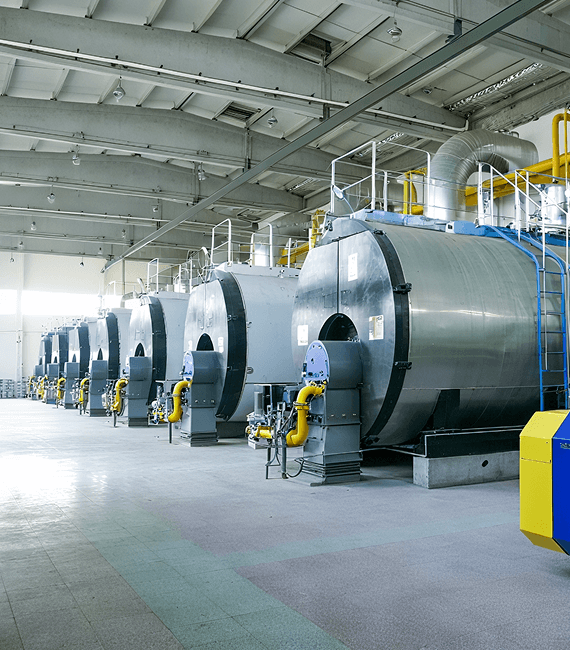

Picture a fairly typical week at a mid-size industrial boiler house: the crew shuts the unit down every few days, waits for it to cool enough to be safe to enter, then spends a couple of hours shoveling ash out of the furnace and hoppers by hand before firing back up. It's not glamorous work, and it's not particularly safe either, but for a lot of biomass plants it's still just how things are done.
If you read our earlier piece on slagging and ash fouling, you already know why this ash shows up in the first place — fuel chemistry, combustion temperature, and boiler design all play a part. This article picks up where that one left off. Once you accept that biomass fuel is going to produce ash no matter what, the real question becomes how you get it out of the boiler without it costing you in downtime, labor, and equipment wear. Automatic ash removal is usually the answer, and it's worth understanding what these systems actually do before you spec one.
Manual cleaning isn't just inconvenient — it creates a chain of costs that tend to be underestimated until someone actually adds them up.
Getting into a furnace to clear ash means waiting for it to cool, then working in a hot, dusty, confined space with hand tools. Depending on fuel type, that dust can contain crystalline silica, which OSHA and CDC guidance treat seriously enough to set an eight-hour exposure limit of 50 micrograms per cubic meter — tight enough that dry sweeping or unprotected shoveling in ash-heavy environments is generally something safety programs try to design around rather than tolerate as routine. None of this makes manual cleaning impossible, but it does mean every cleaning cycle involves real safety overhead: respiratory protection, sometimes wet suppression, and time that has to be scheduled and supervised properly rather than squeezed in between other tasks.
Every manual cleaning cycle is really four steps — shut down, cool, clean, restart — and each one eats time the boiler isn't producing steam or heat. Our earlier article walked through a real-world case where a 30 t/h steam boiler saw flue gas temperature climb from 190°C to 240°C over six months as deposits built up unmanaged, which is the kind of drift that eventually forces an unplanned outage rather than a scheduled one. Scheduled cleaning is disruptive enough on its own; an unplanned shutdown triggered by neglected ash buildup is worse, because it usually happens at the least convenient moment and takes longer to diagnose and fix.

Automatic ash removal is not a single device, but a complete system. From ash removal at the bottom of the grate to ash removal from the convective heating surfaces, and then to ash conveying and collection, each stage has corresponding equipment.
After fuel burns on the grate, the burned ash falls through the grate gaps into the ash hopper below. In manually operated boilers, workers need to periodically open the ash gate to shovel ash out; automated systems have a ash removal mechanism installed below the ash hopper.
Common types include reciprocating scrapers and spiral ash removers. Chain grates typically have an automatic ash removal port at the end. As the grate rotates, the burned ash is directly pushed into a water-sealed ash trough, cooled, and then conveyed out by scrapers or an auger. The entire process is automatic, operating according to a set cycle without human intervention.
This mechanism solves the problem of coarse ash at the bottom of the furnace and is the most basic automated configuration. Most new, larger boilers on the market now come standard with automatic ash removal.
The real factor affecting heat exchange efficiency is the fine ash in the flue. This ash adheres to the surface of the tube bundles in the superheater and economizer, accumulating layer upon layer, resulting in increasingly poor heat transfer. This part cannot be removed by grate movement and requires specialized soot blowing equipment.
Steam soot blowers are currently the most widely used type in industrial boilers. They use high-pressure steam generated by the boiler itself, sprayed through a retractable nozzle onto the tube walls of the heating surface. The impact force of the high-speed steam blows off the accumulated ash from the tube walls, while the high-temperature steam also softens the sticky ash layer, making it easier to detach. Retractable soot blowers can have a stroke of over ten meters, covering the entire superheater area of large boilers.
Another type is the sonic soot blower, which uses high-frequency sound waves to vibrate the ash particles, loosening them and carrying them away with the flue gas. Its advantage is that it does not contact the tube walls, preventing wear, but its effectiveness is limited for hardened, compacted ash, and it is generally used as an auxiliary method.
There are also mechanical rapping-type ash removal mechanisms, which use vibration to shake off accumulated ash by tapping the tube bundles or tube sheets. This structure is simple and requires little maintenance, but the rapping force is difficult to control; too light a force will not clean thoroughly, while too heavy a force can easily damage the tube bundles.
In actual projects, it is rare to use only one type. Many boilers use steam soot blowers at the furnace outlet to deal with sticky, high-temperature ash, while using sonic waves or rapping to clean loose, low-temperature ash in the tail flue. A combination of these methods yields better results.
The removed ash cannot simply be piled up at the bottom of the boiler; it must be conveyed out and centrally processed.
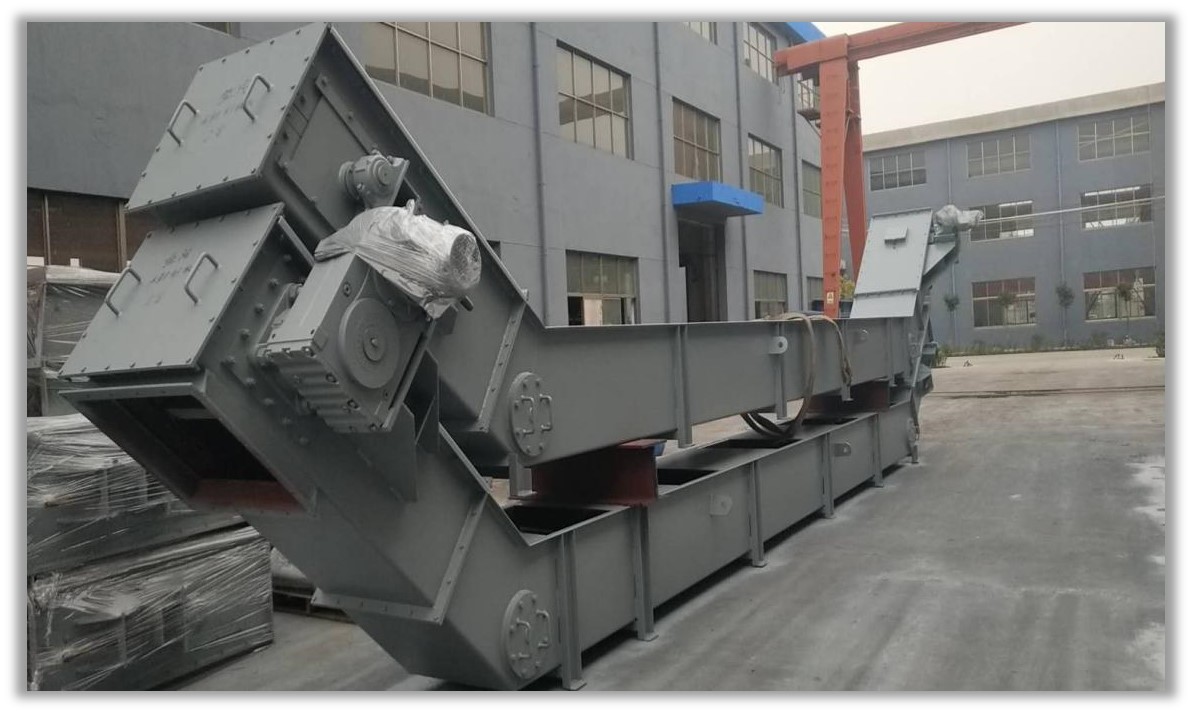
Small boilers may use screw conveyors to directly deliver the ash to the ash silo. Large systems use scraper conveyors and bucket elevators to form a complete ash conveying line, ultimately collecting the ash in the ash storage tank. When the ash storage tank is full, it is directly loaded onto trucks and hauled away; the entire process avoids worker contact with dust.
Some well-designed systems also include anti-bridging devices at the ash hopper. Biomass ash sometimes absorbs moisture and clumps together, getting stuck in the ash hopper. Manually clearing this clump is both dangerous and troublesome. Automated systems using vibrators or fluidizing devices can avoid this problem.
Switching from manual to automated ash cleaning is not simply about saving a few workers. Its impact on boiler operation is multifaceted.
Manual ash cleaning is performed periodically, but the rate of ash accumulation is not uniform. When fuel ash content is high and load fluctuations are large, ash accumulates quickly, and before the scheduled cleaning date, heat exchange efficiency has already dropped, and in severe cases, it can even clog the flue.
Automatic systems can adjust the ash cleaning frequency according to actual conditions. Some systems with differential pressure or temperature monitoring automatically increase the number of soot blowers when they detect an increase in exhaust gas temperature or increased flue resistance. They blow less when there is less ash, avoiding unnecessary steam loss.
As a result, the boiler does not need to be forced to shut down for cleaning due to severe ash accumulation. Continuous operation cycles can be extended from a few weeks to several months. Some biomass boilers using circulating fluidized bed technology, with appropriate ash cleaning programs, can achieve continuous operation times of more than 4 months at a time.
This is the most obvious change. Previously, two or three people were dedicated to monitoring ash removal and slag discharge. After switching to automation, daily routines only require periodic inspections to check equipment operation and to arrange for ash removal when the ash bins are full. Real-world examples show that after configuring automatic ash removal, the number of boiler maintenance personnel can be reduced from two to 0.5, meaning one worker can simultaneously oversee several boilers.
More importantly, workers no longer need to frequently enter the hazardous environments of the furnace and flue. Risks such as working in confined spaces, working at heights, and dust exposure are significantly reduced, easing the pressure on safety management.
Manual ash removal is phased—efficiency is highest in the first few days after cleaning; as ash accumulates, efficiency gradually declines. By the time of the next cleaning, efficiency may be 5 to 10 percentage points lower than normal. Throughout the cycle, boiler output fluctuates, and steam parameters also fluctuate.
Automatic ash removal is continuous and performed in small batches, keeping the heating surfaces relatively clean. Thermal efficiency remains stable, with more consistent steam pressure and temperature. This stability is invaluable for production processes demanding high steam quality.
Furthermore, cleaner heating surfaces prevent pipe wall temperatures from overheating due to ash buildup, slowing down material aging.
Ash buildup not only affects heat transfer but also accelerates corrosion. Biomass ash contains potassium and chlorine, which, when deposited on pipe walls, cause chlorine corrosion at high temperatures. The pipe walls beneath the ash layer are constantly exposed to a corrosive environment, leading to wear and tear and potentially pipe bursts.
Automatic ash removal prevents ash from accumulating on pipe walls, reducing under-deposit corrosion. Furthermore, standardized automatic soot blowing causes less mechanical damage to the pipe walls than manual cleaning with steel shovels and wire brushes.
Reduced pipe wall corrosion and wear naturally extend the boiler's lifespan. Delaying the replacement of even one heat exchanger tube by a few years lowers the overall lifespan cost of the entire system.
Not all automatic ash removal systems are the same. When choosing fuel, don't just look at the price; consider your specific operating conditions.
The ash content of fuel burning pure sawdust is completely different from that of burning straw or rice husks. Pure sawdust has a low ash content, generally between 1% and 3%, and the ash is relatively loose. A basic automatic ash removal system with tail-end cleaning is sufficient.
If burning agricultural waste such as rice straw, wheat straw, or cotton stalks, the ash content is usually above 10%, and the alkali metal content is high, easily forming sticky ash and low-melting-point coking. In this case, you need to choose a steam soot blower with stronger cleaning power, and the density of the blower arrangement must be sufficient, otherwise it won't be cleaned properly.
The melting temperature of the ash is also crucial. The melting point of biomass ash is generally only 800 to 1200℃, much lower than coal. Ash accumulated in high-temperature areas easily sinters into hard lumps that cannot be broken up by ordinary sonic waves or rapping; steam soot blowing is necessary.
Therefore, the first step in selecting a system is to understand the ash content and composition of your commonly used fuels, and then choose the corresponding equipment.
The level of automation varies greatly between different systems. The most basic is timed automatic start, blowing once at a set time; more advanced systems can automatically adjust the frequency based on parameters such as flue gas pressure difference and exhaust gas temperature; even higher-level systems can be integrated into the entire combustion control system, linked to load and fuel quantity.
If the boiler load and fuel quality are stable, the timed mode is generally sufficient. If the fuel source is mixed and the load fluctuates greatly, it is recommended to choose intelligent control with parameter feedback; otherwise, either blowing too frequently wastes steam, or blowing insufficiently results in severe ash accumulation.
Also, pay attention to the consumption of the soot blowing medium. Steam soot blowing consumes steam, although the amount is small, it still counts as an operating cost. Compressed air soot blowing requires an air compressor, which also consumes energy. These must all be factored in.
Soot removal is not an isolated action. During soot blowing, the furnace negative pressure and flue gas velocity will change. If the combustion control system does not adjust accordingly, unstable combustion and black smoke may occur.
A good configuration integrates the soot blowing system with the boiler's DCS or PLC, linking the soot blowing action with the induced draft fan and forced draft fan. For example, it automatically increases the induced draft before soot blowing to maintain stable negative pressure in the furnace and prevent flue gas from escaping.
Some systems are even more advanced, determining the optimal time for soot blowing based on combustion conditions. For instance, at high loads, the high flue gas velocity makes it easier to carry away the blown-down ash, resulting in better performance than at low loads.
Many people only focus on how clean the equipment is when choosing a soot blowing system, neglecting its ease of maintenance. As a result, the soot blowing system becomes a new source of failure, breaking down frequently and causing more trouble.
For example, in steam soot blowers, the nozzles constantly expand and contract in high-temperature flue gas, making seals and transmission mechanisms vulnerable to wear. If the structural design is flawed, replacing a seal can require extensive disassembly, increasing maintenance costs.
Furthermore, the spiral blades and scraper chains in the ash conveying system wear down quickly due to constant contact with ash. Poorly selected materials will require replacement after a short period.
Therefore, when asking about parameters, don't forget to ask about the lifespan of easily damaged parts, what routine maintenance is required, and how long it takes to replace parts. A system that doesn't require much attention under normal circumstances is a truly labor-saving system.
Fully automated systems are not suitable for all situations. For small-scale boilers with short operating times, implementing a full system can be uneconomical.
The advantage of fully automated systems lies in continuous operation scenarios. For example, in 24-hour production lines, thermal power plants, and large-scale centralized heating projects, downtime costs are high, and manual ash removal severely impacts production. In these situations, a fully automated system from the outset is cost-effective. Soot blowing, ash removal, and ash conveying are all automated, and combined with the combustion control system, minimal human intervention is required.
Semi-automatic solutions typically involve automatic ash removal and semi-automatic ash removal. Ash and slag at the bottom of the grate are automatically handled, but cleaning the heating surfaces still requires manual operation or periodic manual assistance. This is suitable for factories that operate for ten or more hours a day with fixed downtime. For example, some processing plants only operate on daytime shifts, performing simple manual cleaning at night and then running automatically during the day, requiring significantly less investment and sufficient for their needs.
When making a judgment, you can look at it from several angles: for production lines with an annual operating time of more than 6,000 hours, try to make them fully automated; for fuels with high ash content and a high tendency to coke, prioritize automatic ash removal from the heating surfaces; for production lines with high downtime costs, the return on investment in automation will be faster.
A few patterns show up often enough in project reviews that they're worth flagging before you finalize a spec.
Sizing around cleaning frequency alone, without accounting for fuel ash characteristics. A system that cleans often but wasn't designed for your fuel's alkali content or ash melting point will still struggle with slagging, no matter how automated the cleaning cycle is. Frequency and capability aren't the same thing.
Installing ash removal without tying it into combustion control. A soot blower running on its own fixed schedule, disconnected from what's actually happening in the furnace, ends up either cleaning surfaces that don't need it or missing the buildup that does. The value of automation comes largely from responsiveness, and that requires integration, not just mechanization.
Overlooking the maintenance burden of the automation itself. It's tempting to treat "automatic" as synonymous with "maintenance-free," but conveyors, blower nozzles, and actuators all wear over time, especially with abrasive, high-silica ash. A system that shifts the maintenance burden from labor-intensive manual cleaning to frequent mechanical repairs hasn't solved the core problem — it's just changed its shape.
How Often Does An Automatic Soot Removal System Need Maintenance?
The maintenance cycle varies depending on the type of equipment. Generally, it is recommended to inspect the sealing components and transmission parts of the steam soot blower every 3 to 6 months and perform a comprehensive maintenance annually. The lifespan of wear parts such as chains and blades in the ash conveying system is approximately 1 to 3 years, depending on the ash content of the fuel. For routine maintenance, daily inspections to check the operating sound and current are sufficient; frequent disassembly and repair are not necessary.
Can Automatic Soot Removal Systems Handle High-Ash Fuels Like Agricultural Straw?
Yes, but the selection and configuration must be tailored. Agricultural straw has high ash content and alkali metal content, resulting in sticky ash buildup, making ordinary soot removal methods ineffective. Generally, steam soot blowers need to be installed on the high-temperature heating surface, with acoustic or rapping assistance in the tail flue, while simultaneously increasing the conveying capacity of the ash conveying system. With proper configuration, even fuels with an ash content of over 15% can achieve long-term continuous operation.
Does Installing An Automatic Soot Removal System Completely Eliminate The Need For Manual Cleaning?
Not entirely. The automatic system can handle daily ash cleaning, ash discharge, and ash conveying. However, during annual maintenance, manual inspection and cleaning are still necessary to check for any blind spots or corrosion/wear. Additionally, if impurities are mixed into the fuel or unexpected coking occurs, manual intervention may be required. However, the workload is significantly less than the previous frequent manual ash cleaning.
How Long Does It Typically Take To Recoup The Cost Of Upgrading To An Automatic Ash Cleaning System?
This varies considerably, depending on the original labor and downtime costs. If frequent shutdowns for ash cleaning and high labor costs were previously incurred, the payback period will be shorter. The industry average is generally 6 months to 2 years. For industrial boilers with long annual operating times and high fuel ash content, many projects can recoup their investment in about one year. For small boilers with short daily operating times, the payback period will be longer, requiring specific calculations.
If you're weighing full automation against a semi-automatic setup, or trying to figure out whether your current ash removal system is actually matched to your fuel, it helps to look at real fuel analysis data before finalizing a spec. Send us your fuel profile and boiler details and we can help you work through what fits.