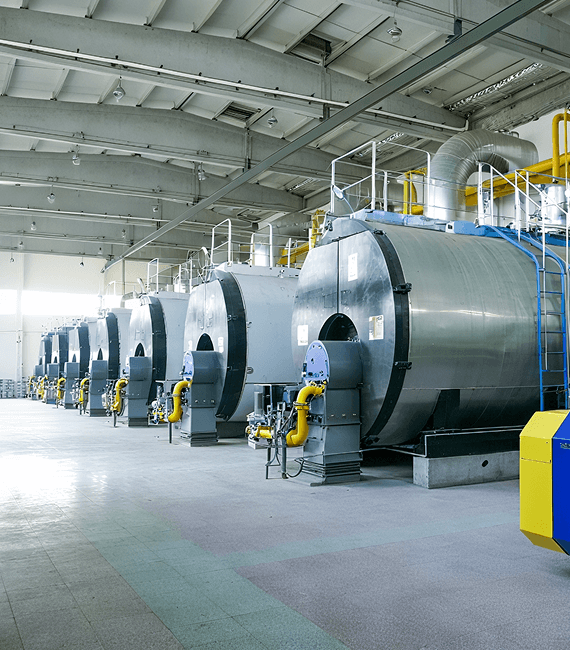

Industrial steam boilers serve as core thermal equipment widely utilized within the manufacturing sector. Boiler fuel consumption constitutes a central component of an enterprise's overall energy costs. Effective management and control of boiler energy consumption not only ensure a stable supply of steam but also support the smooth and normal operation of production lines.
In most enterprises, boiler fuel wastage stems primarily from common issues encountered during daily operations. System heat loss, improper combustion control, steam leaks, and non-standardized operating procedures can all result in significant and unnecessary fuel waste. Consequently, enterprises need not undertake large-scale retrofits of their boiler equipment. Instead, they can effectively reduce fuel consumption simply by optimizing daily boiler operations and system operating conditions.
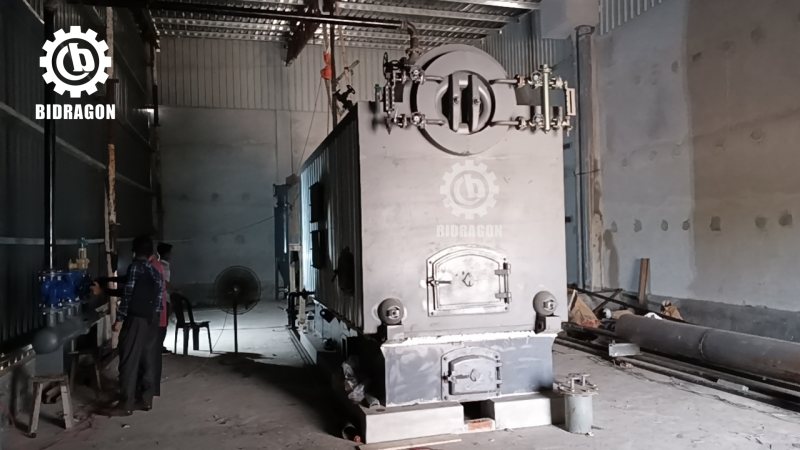
There is no fixed standard for the fuel consumption of industrial steam boilers. It is primarily determined by a combination of the boiler's own operational efficiency and the real-time steam demand of the production line. As the steam consumption of the production line increases, the boiler's fuel input will rise correspondingly. If the boiler itself is not operating well or is inefficient, it will consume more fuel even if the steam demand remains the same.
Within the entire boiler operating system, energy loss occurs at every stage of operation. A portion of the heat generated by fuel combustion is directly expelled from the equipment along with high-temperature flue gas. Another portion of the heat dissipates externally through the boiler casing and transport pipelines. Additionally, some heat is lost due to insufficient heat exchange or the loss of the working medium. These various forms of dispersed energy waste ultimately translate into increased fuel expenditure.
Excessive air within the furnace is the primary cause of heat loss through flue gas discharge. When the air entering the furnace exceeds the stoichiometric amount required for fuel combustion, this surplus air is heated to high temperatures by the furnace environment. This heated air subsequently exits the equipment along with the flue gas, continuously carrying away valuable thermal energy from the furnace.
Different fuels have different combustion conditions, and therefore different optimal ranges of oxygen content in the furnace. Clean fossil fuels such as natural gas and diesel have high combustion efficiency and require a lower proportion of excess air. Coal and biomass fuels contain impurities and ash, making their combustion reactions more complex. Coal and biomass fuels require higher oxygen content to ensure efficient combustion. By aligning the oxygen content standards with the specific fuel being utilized, energy consumption issues caused by excess air can be effectively mitigated.
Modern industrial boilers are typically equipped with oxygen analyzers capable of capturing real-time data on the oxygen content within the furnace. When integrated with an automatic combustion control system, the equipment can dynamically adjust the volume of incoming air based on real-time operating conditions. This ensures that the air-to-fuel ratio within the furnace remains precisely aligned with combustion requirements, thereby reducing heat loss caused by excess air at the source.
The burner serves as the core component where fuel and air are mixed, ignited, and combusted. Precise tuning of the burner facilitates a uniform blend of fuel and air. The greater the uniformity of this mixture, the more complete the combustion reaction becomes, resulting in a higher conversion rate of the fuel's thermal energy.
As a precision component prone to wear, the burner is susceptible to various minor malfunctions during prolonged, continuous operation. Issues such as nozzle clogging, deviations in spray angle, or the aging of internal components can disrupt the optimal combustion ratio. Consequently, enterprises must schedule regular shutdowns to inspect the condition of the burners, promptly recalibrating parameters and replacing worn-out parts as needed.
A burner operating under normal conditions is capable of maintaining a steady and consistent flame. A stable flame prevents issues such as localized incomplete combustion or flame-outs. Every bit of fuel put into the furnace can react fully, releasing heat energy to the maximum extent and reducing the waste of unburned fuel.
Flue gas temperature serves as a direct indicator of a boiler's energy utilization efficiency. An elevated flue gas temperature signifies that the heat generated by fuel combustion has not been fully absorbed and utilized. Consequently, a significant amount of usable thermal energy is discharged directly along with the flue gas, resulting in continuous energy waste.
Most industrial boilers are equipped with economizers and flue gas waste heat recovery systems. These devices capture residual heat contained within the flue gas for subsequent reuse. The recovered waste heat can be utilized to preheat boiler feedwater or to supply auxiliary heating equipment within the facility, thereby reducing the demand for fresh fuel input.
After prolonged operation, the heat exchange surfaces of a boiler tend to accumulate dust, oil residues, and combustion byproducts. These impurities impede heat transfer, leading directly to an increase in flue gas temperature. Regularly cleaning the soot and impurities from the flues, economizers, and heat exchange tube walls restores the equipment's original heat exchange capacity and effectively minimizes heat loss via flue gas.
The operating load of a boiler directly impacts its overall heat transfer and combustion efficiency. When a boiler operates under a low-load state for extended periods, its combustion conditions tend to deviate from the equipment's original design specifications. This disrupts the rhythm of fuel combustion, leading to a significant decline in thermal energy conversion efficiency and resulting in issues characterized by low output and high energy consumption.
In facilities equipped with multiple boilers, load distribution can be effectively balanced through the implementation of a multi-boiler integrated control system. Based on the real-time steam demand of the production lines, this system intelligently allocates the operating load among individual boilers. This approach prevents single units from idling or operating inefficiently under low-load conditions, thereby eliminating instances of uneven load distribution across the entire system.
The induced draft fan, blower, and feedwater pump that power the boiler are the core of the energy-consuming auxiliary equipment. By retrofitting these devices with variable frequency control units, their operating speeds can be dynamically adjusted in response to the boiler's real-time load requirements. This eliminates the need for these devices to operate continuously at full capacity, thereby reducing wasteful energy consumption within the auxiliary systems and optimizing the overall operating conditions of the boiler.
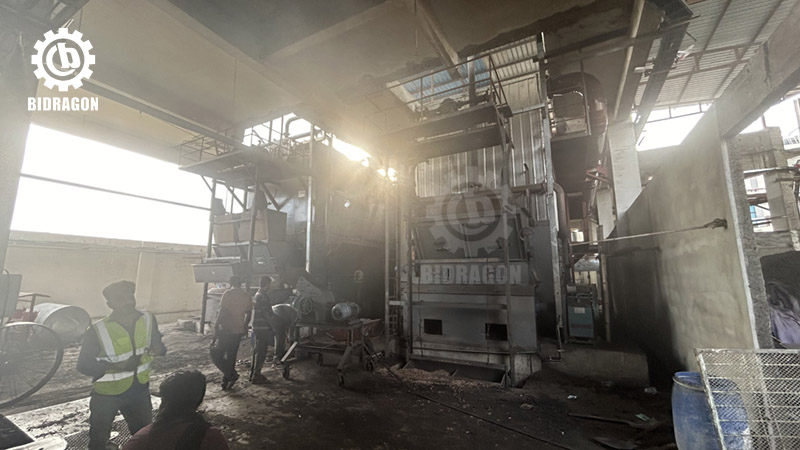
After steam has completed its heat-supply duties in production processes, it cools down and condenses into water. This condensate is not only chemically pure but also retains a significant amount of unutilized waste heat. This thermal energy represents a high-quality energy source within industrial production that is all too easily overlooked.
By recovering and channeling high-temperature condensate back into the boiler feedwater system, it can serve as a substitute for conventional ambient-temperature makeup water. Since the recovered condensate already possesses high thermal energy, the boiler is spared the need to expend energy reheating the water from ambient temperature. This approach can drastically reduce the fuel energy required to heat the water supply.
Increasing the condensate recovery rate yields a dual benefit in terms of resource conservation. Enterprises can reduce fuel consumption and lower overall thermal energy usage. Simultaneously, this practice reduces the demand for fresh tap water, saves on water treatment chemicals and water utility costs, and optimizes the overall energy consumption structure of the production process.
Industrial steam is a high-temperature, high-pressure medium; consequently, even the slightest leak results in a direct loss of thermal energy. Since this escaping steam represents heat generated entirely by the combustion of boiler fuel, persistent leaks inevitably lead to increased fuel consumption for the enterprise.
Leakage issues within steam systems tend to be concentrated in various connection points and control components. Pipe valves, equipment connection flanges, and steam traps are particularly high-risk areas for leaks. Common causes of steam leakage include aging gaskets, loose components, installation misalignments, and damaged valve bodies.
The thermal insulation structure of piping and equipment also plays a critical role in controlling heat loss. Cracks, detachment, or degradation of the insulation layer expose high-temperature pipes and equipment directly to the ambient air, allowing the internal steam's heat to continuously dissipate outward. Regularly inspecting, repairing, and replacing the insulation layer, and properly maintaining the insulation of equipment and pipelines, can effectively reduce heat loss due to heat dissipation.
During continuous boiler operation, salts and impurities within the boiler water inevitably accumulate and precipitate. Regular blowdown can remove high-concentration brine and impurities from the furnace, preventing scale buildup on the furnace walls and equipment corrosion. It is a necessary operation to ensure the safe and stable operation of the boiler.
Many enterprises, however, face the problem of excessive blowdown. Blindly increasing the frequency and volume of blowdown directly results in the discharge of large quantities of high-temperature boiler water. The thermal energy carried by this hot water is completely lost, leading simultaneously to significant water wastage and, indirectly, increased fuel consumption.
Currently, the prevailing energy-efficient blowdown method relies on conductivity monitoring equipment to achieve precise control. This equipment monitors the salinity concentration and water quality status of the boiler water in real time. When integrated with an automatic blowdown control system, the equipment initiates blowdown operations only when water quality parameters exceed established limits. By precisely controlling both the volume and duration of the blowdown, this system effectively eliminates the energy and water losses associated with unnecessary blowdown.
Heat exchange equipment such as boiler furnaces, heat exchange pipes, and economizers are in long-term contact with high-temperature flue gas and boiler water. Consequently, their surfaces are highly prone to the accumulation of ash, carbon deposits, and scale. These surface deposits possess extremely poor thermal conductivity and act as barriers that obstruct the path of heat transfer. As a result, the heat generated by fuel combustion cannot be rapidly transferred to the boiler water, leading to a significant reduction in the boiler's heat exchange efficiency.
Enterprises must establish a routine equipment cleaning schedule. Comprehensive cleaning of the boiler furnace, flues, and heat exchange tube walls should be performed periodically. This process involves thoroughly removing surface ash, carbon deposits, and heavy scale buildup to restore the equipment's original heat exchange performance.
Substandard boiler water quality is the primary underlying cause of scale formation within boilers. It is therefore essential to implement effective pretreatment and softening processes for boiler feedwater to filter out calcium and magnesium ions, as well as other impurities. By addressing the issue at its source, this approach minimizes scale formation, reduces the maintenance burden on heat exchange surfaces, and ensures the long-term stability of the boiler's heat exchange efficiency.
Relying solely on manual inspections and subjective judgment makes it difficult to timely detect subtle energy consumption anomalies during boiler operation. Establishing a comprehensive boiler operation monitoring system to capture equipment operation data in real time is an effective means of long-term energy consumption management.
Such monitoring systems can simultaneously collect a wide range of core operational parameters. Flue gas temperature, furnace oxygen content, hourly steam output, and real-time fuel consumption are all critical indicators for assessing the boiler's energy consumption status.
By continuously recording, comparing, and analyzing these operational data points over time, it becomes possible to rapidly detect abnormal fluctuations in operating conditions. If problems such as increased fuel consumption and decreased steam output occur, staff can immediately locate the fault and efficiency shortcomings. This prevents minor issues from accumulating over time and resulting in sustained fuel waste.
In most enterprises, excessive boiler energy consumption is not caused by equipment malfunctions. Rather, non-standard manual operations, along with inappropriate equipment configurations and maintenance practices, are the primary culprits behind the wasteful consumption of fuel.
Some companies opt to purchase boilers with oversized specifications to accommodate future production expansion needs. However, since daily steam demand often falls far short of the equipment's rated capacity, the boilers frequently operate under low-load, low-efficiency conditions for extended periods. An improper boiler steam pressure setting, resulting in frequent overpressure or underpressure operation, will disrupt stable combustion conditions. A chronic lack of standardized maintenance allows minor issues to progressively worsen, thereby driving up energy consumption even further.
The professional competence of the operating staff directly determines the operational status of the boiler. Systematic job training helps operators avoid various pitfalls associated with daily operations. Implementing preventative maintenance procedures and regularly checking for potential equipment hazards can ensure that boilers always maintain a stable and efficient operating state.
Combustion optimization constitutes the core element in reducing fuel consumption in boilers. By adjusting the air-fuel ratio within the furnace, calibrating burner operating conditions, minimizing heat loss via flue gas, and prudently managing operational loads, it is possible to fundamentally enhance fuel utilization efficiency and resolve core energy consumption issues.