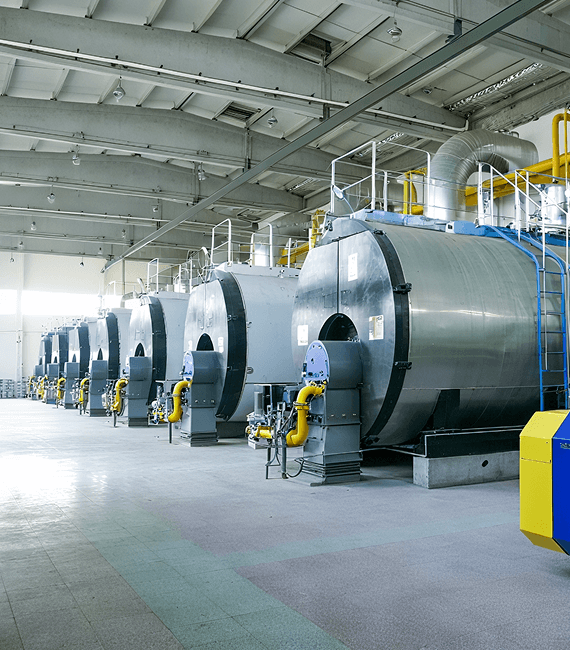

Long-term operation of thermal oil heaters frequently leads to issues such as carbon deposits, coking, and sludge formation. Most maintenance efforts involve only superficial cleaning, which fails to address the root cause. The recurring accumulation of deposits not only drives up maintenance costs but also continuously degrades the equipment's heat transfer efficiency.
The key to resolving carbon deposits lies in identifying their fundamental causes. By analyzing actual industrial operating conditions, we can clearly outline the mechanisms of deposit formation, the associated risks, and preventive strategies.
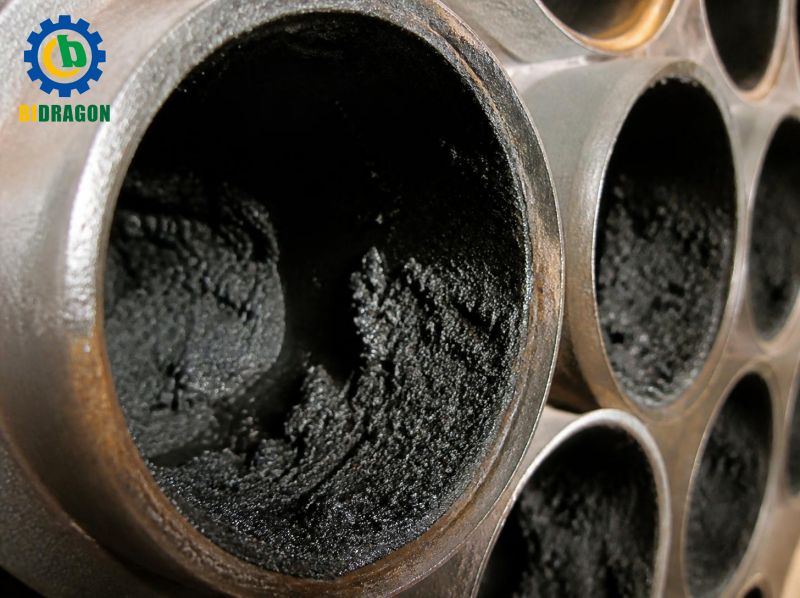
Many people use the term "carbon deposits" as a catch-all for any black residue found inside the heater. In reality, the deposits found in thermal oil heaters fall into several categories: soot, sludge, carbon deposits, and coke. Each type stems from different causes and requires a distinct treatment approach.
Broadly speaking, these deposits originate from two sources. Combustion-side deposits appear in the furnace chamber and flue ducts, resulting from incomplete fuel combustion. Oil-side deposits accumulate in the heater coils and circulation piping, caused by the high-temperature oxidation and degradation of the thermal oil, which precipitates gums and carbon residues.
Deposits adhering to equipment surfaces create an insulating layer that directly reduces heat transfer efficiency. To maintain the required process temperature, the system is forced to raise the furnace temperature; this, in turn, accelerates further carbon deposition and coking, creating a vicious cycle.
The physical properties of these deposits vary significantly. Soot generated during combustion is loose and powdery, making it easy to remove. Conversely, the coke layers formed by oil degradation at high temperatures are hard and tenacious. Sludge resulting from oil contamination is viscous and difficult to clean, requiring specialized treatment methods.
The distribution of carbon deposits follows a distinct pattern, which can be directly used to diagnose the type of fault. The forms and locations of deposits differ significantly between the combustion system and the oil circuit system, allowing for highly efficient troubleshooting.
Deposits on the combustion side consist of loose, black soot, primarily accumulating in the furnace chamber, burner, heat exchange surfaces, and flue ducts. Incompletely combusted carbon particles are carried by the flue gas and adhere to metal surfaces; accumulation is most likely to occur in the flue ducts and waste heat recovery equipment.
Fouling on the oil circuit side consists mainly of hard coke and viscous sludge. Hard coke tends to form in high-temperature zones of the furnace tubes, while sludge most readily accumulates in "dead zones" with low flow velocity, at pipe elbows, and within filters.
The causes of these two types of deposits are unrelated. Combustion-side deposits result from abnormal combustion conditions, whereas oil-side coking stems from oil degradation and poor circulation. Observing the location of the deposits during inspection allows for the precise identification of the problem.
Recurring carbon buildup in thermal oil heaters generally stems from two main causes: incomplete fuel combustion leading to soot accumulation, and localized overheating or degradation of the thermal oil causing coking within the heater tubes. Most malfunctions result from one of these factors or a combination of both.
Achieving complete combustion requires the right balance of oxygen, temperature, and mixing conditions. An imbalance in operating conditions leads to incomplete combustion and the accumulation of carbon black. Carbon buildup on the combustion side is primarily caused by abnormalities in the air-to-fuel ratio or the combustion process itself.
Insufficient combustion air is the most common cause. A lack of oxygen prevents the fuel from burning completely, generating large quantities of carbon particles. These particles adhere to the surfaces of the furnace chamber and flue, gradually forming a thick layer of soot.
Excessive air intake is equally detrimental. Too much air lowers the furnace temperature and destabilizes the flame; this causes delayed combustion, where fuel continues to decompose after entering the flue, ultimately resulting in carbon buildup within the flue.
Poor fuel atomization can also trigger carbon buildup. Aging or clogged nozzles result in larger fuel droplets and incomplete combustion. Abnormal gas-air ratios can likewise lead to imperfect combustion and the production of carbon black.
Burner aging, poor fuel quality, and abnormal furnace operating conditions all exacerbate carbon buildup. Such deposits remain within the combustion and flue gas zones and do not enter the thermal oil circulation system.
Is a thin layer of carbon buildup inside your furnace tubes silently destroying heat transfer efficiency and inflating your daily fuel costs?
Protect your operating margins with our high-efficiency thermal oil heaters.
Secure your custom industrial heater solution here.

Coking in the oil circuit is unrelated to combustion; it is caused entirely by the thermal degradation of the oil at high temperatures. In many cases, the equipment displays a normal oil temperature, yet internal coking has already occurred. The root cause is that the temperature of the oil film on the furnace tube wall is far higher than the average oil temperature detected by the equipment.
The oil film near the furnace tube wall is subjected to the most intense heat. When the flow rate is normal, the oil film is rapidly replenished, keeping the temperature under control. However, if operating conditions become abnormal and the oil film temperature exceeds limits, the oil undergoes cracking and polymerization reactions.
Light components of the oil volatilize at high temperatures, while heavy components accumulate, forming viscous gums and carbonaceous particles. These substances adhere to the inner walls of the furnace tubes; initially appearing as soft sludge, they transform into hard coke layers after prolonged exposure to high heat.
Localized overheating is highly insidious. Temperature monitoring systems typically measure the bulk oil temperature and fail to capture instantaneous high temperatures at the tube wall. Even when operating parameters appear normal, localized high temperatures on the furnace tubes can quietly trigger coking, gradually clogging the piping and reducing heat transfer efficiency.
Circulation flow rate is a critical indicator for preventing coking and is often the parameter most overlooked in the field. Low flow rates prolong the time the oil is exposed to heat, significantly increasing the risk of oil degradation and coking.
Insufficient flow is usually caused by equipment aging or pipeline blockages. Factors such as reduced output from long-term use of circulation pumps, clogged filters, or insufficiently open valves can all result in low system flow velocities.
Flow velocity directly determines heat transfer efficiency. With adequate flow, heat is rapidly removed from the furnace tubes, maintaining stable temperatures. Insufficient flow leads to heat accumulation and rising tube wall temperatures, which further accelerates coking.
Long-term operation with low flow may not show immediate problems, but it continuously accumulates the risk of coking, eventually leading to serious failures such as furnace tube overheating.
Carbon deposits and coke possess strong thermal insulation properties, forming an insulating layer on equipment surfaces. This directly increases thermal resistance and disrupts normal heat transfer within the equipment.
The most immediate impact is a decline in heating efficiency. Insufficient heat output for a given amount of fuel necessitates raising the furnace temperature and increasing fuel input, ultimately driving up energy consumption and operating costs.
As carbon deposits thicken, heat dissipation from the furnace tubes progressively worsens. Prolonged exposure to high temperatures accelerates metal aging, making the tubes prone to deformation and bulging; in severe cases, this can lead to leaks or tube ruptures.
Carbon buildup tends to worsen in a self-accelerating cycle: deposits impair heat transfer and raise furnace temperatures, while higher temperatures promote further coking. Simultaneously, carbon deposits accelerate the degradation of the thermal oil and clog pipelines and filters, causing the system's operating conditions to deteriorate continuously.
Excessive carbon buildup on the combustion side can also clog the flue, causing unstable combustion in the furnace, resulting in problems such as smoke and backfire, which affects the stable operation of the entire machine.
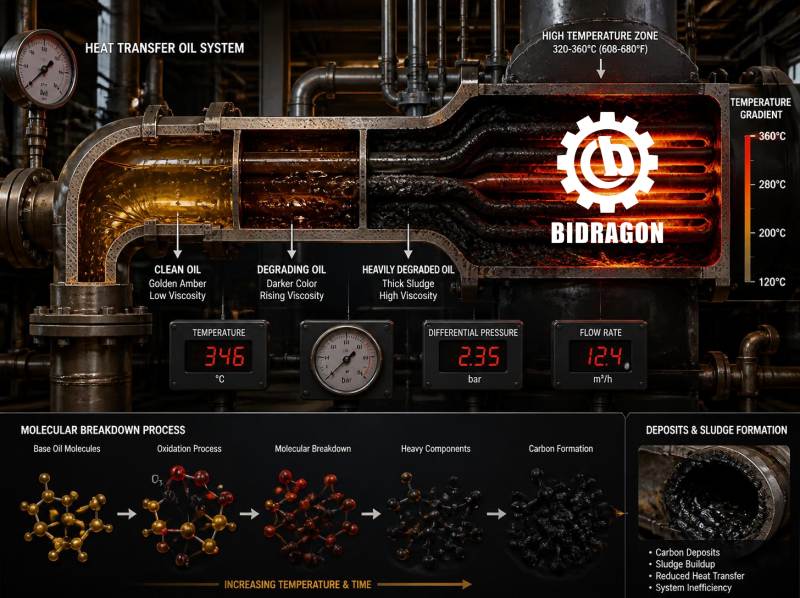
The root cause of coking in the oil circuit is the long-term degradation of the heat transfer oil. Under normal operating conditions, the oil's properties remain stable. However, if operating conditions become abnormal, the oil undergoes thermal and oxidative degradation, gradually precipitating deposits.
Excessive temperature is the primary trigger for thermal degradation. Localized overheating disrupts the oil's molecular structure; light components are lost while heavy components accumulate, gradually forming sludge and hard coke. Frequent start-stop cycles and significant temperature fluctuations also accelerate oil aging.
Exposure to oxygen causes rapid oxidation. If the system is not tightly sealed or frequently ingests air, the high-temperature oil oxidizes and deteriorates quickly, producing gums and sediments that adhere to the piping and furnace tubes.
Oil quality, contamination levels, and service life all influence the rate of degradation. Poor-quality oil, the ingress of water or impurities, and use beyond the recommended lifespan significantly accelerate the rate of coking.
Regular analysis of oil parameters allows for the early prediction of carbon deposition risks. Detecting degradation, replacing the oil, and adjusting operating conditions in a timely manner can mitigate carbon buildup issues at the source.
Before addressing carbon deposits, it is crucial to identify the source of the fouling. The remediation methods for soot (caused by combustion) and coking (caused by oil degradation) differ completely; indiscriminate cleaning will only lead to recurrence.
Location allows for a quick distinction. Combustion soot is found only in combustion zones such as the furnace chamber, burner, and flue. Coking and sludge within the oil circuit appear only inside furnace tubes, piping, and filters.
Appearance also serves as a distinguishing factor. Combustion soot is a loose, powdery substance that is easily wiped away. Oil-side coking is hard, solid, and strongly adherent. Sludge is viscous and gelatinous, accumulating in low-flow areas of the piping.
Operational status provides further clues. Frequent smoking, unstable combustion, and increased fuel consumption generally indicate combustion-side deposits. Conversely, if oil temperatures remain normal but heat transfer efficiency drops and filters clog frequently, the issue is likely oil-side coking.
Oil analysis offers definitive confirmation. If oil parameters exceed limits and the oil appears murky or black, degradation is the cause of the coking. If the oil remains clean and normal while deposits are confined to the combustion zone, the problem lies with combustion conditions.
Identifying the source is key to a permanent solution. For combustion deposits, focus maintenance on the combustion system. For oil-side coking, focus on adjusting circulation, controlling temperatures, and replacing degraded oil to completely eliminate recurring deposits.
Prevention is key to addressing carbon buildup; relying on post-facto cleaning is insufficient. Standardizing daily operation and maintenance can significantly reduce carbon deposits and coking, extend the lifespan of equipment and oil, and lower operating costs.
Maintain stable combustion conditions. Properly match the air-to-fuel ratio to ensure complete combustion. Regularly maintain the burner to ensure effective atomization. Promptly remove loose ash from the furnace chamber and flue to prevent carbon accumulation.
Ensure adequate oil circulation. Avoid prolonged low-flow operation. Regularly check the circulation pump's status and clean filters promptly to ensure unobstructed piping and proper flow rates.
Strictly control operating temperatures; avoid overheating and overloading. Minimize frequent start-stop cycles and drastic temperature fluctuations to reduce the likelihood of thermal cracking of the oil. Pay special attention to preventing localized high-temperature hotspots on furnace tubes.
Ensure effective system sealing. Minimize the oil's exposure to air and moisture; optimize nitrogen blanketing and sealing structures to slow down oil oxidation.
Conduct regular oil analysis. Promptly replace oil that has degraded beyond acceptable limits to prevent further coking caused by degraded oil. Keep heat transfer surfaces clean to ensure stable heat exchange performance.
Surface cleaning alone cannot resolve severe carbon buildup; a systematic investigation of operating conditions is required to identify the root cause and implement targeted corrective measures to prevent recurrence.
First, inspect the combustion system. Check the burner nozzle for clogs or wear, and ensure stable fuel quality and delivery pressure. Calibrate the air intake ratio and maintain stable furnace negative pressure and flame characteristics.
Next, inspect the thermal oil circulation system. Verify that the circulation pump is performing correctly and check filters, valves, and piping for obstructions. Ensure the system circulation flow rate meets the equipment's rated standards.
Review equipment operating data. A normal oil temperature combined with an excessively high furnace temperature is a classic sign of localized overheating and coking on the furnace tubes. A continuously rising system pressure differential indicates existing coking or blockages in the piping and heat exchanger.
Finally, test the oil quality and identify the type of deposit. Determine if the oil is aged, contaminated, or used beyond its service life. Distinguish between combustion soot and oil-side coke deposits based on the deposit's characteristics to pinpoint the root cause of the issue.
The cleaning method depends on the location and type of the deposits. Simple cleaning removes scale but does not resolve underlying operational issues. Equipment hazards must be rectified after cleaning; otherwise, carbon deposits will quickly recur.
Soft soot on the combustion side can be removed using physical methods. High-pressure air blowing or mechanical sweeping can quickly clear the deposits. After cleaning, the combustion status must be adjusted to prevent future carbon buildup.
Hard coke and sludge inside the heater tubes cannot be removed mechanically. Specialized cleaning agents must be circulated through the system to dissolve and detach deposits from the tube walls. Heavy coking may require multiple cleaning cycles to ensure thorough removal.
Cleaning only removes existing deposits. Unless root causes—such as combustion imbalance, insufficient flow, localized overheating, or oil degradation—are addressed, carbon deposits will inevitably return.
After each carbon removal process, operational parameters must be reviewed, and issues regarding combustion, circulation, and oil quality rectified to restore the equipment to normal, stable operating conditions.
Carbon deposits in thermal oil heaters are not merely an accumulation of dirt; they are complex issues resulting from improper operation and maintenance, unbalanced operating conditions, and inadequate oil management. Combustion-side deposits stem from abnormal combustion, while coking in the oil circuit results from high temperatures, low flow rates, and oil oxidation.
Addressing carbon deposits requires prioritizing prevention, conducting precise troubleshooting, and treating both symptoms and root causes. Maintain stable combustion and circulation conditions, strictly control temperatures, and regularly test oil quality. When carbon deposits appear, identify the root cause rather than simply cleaning blindly, to prevent the problem from recurring.
Standardized operation and maintenance can effectively control carbon deposits and coking, reduce energy consumption, extend the service life of the heater and the oil, and ensure the long-term, safe, and stable operation of the thermal oil heater.