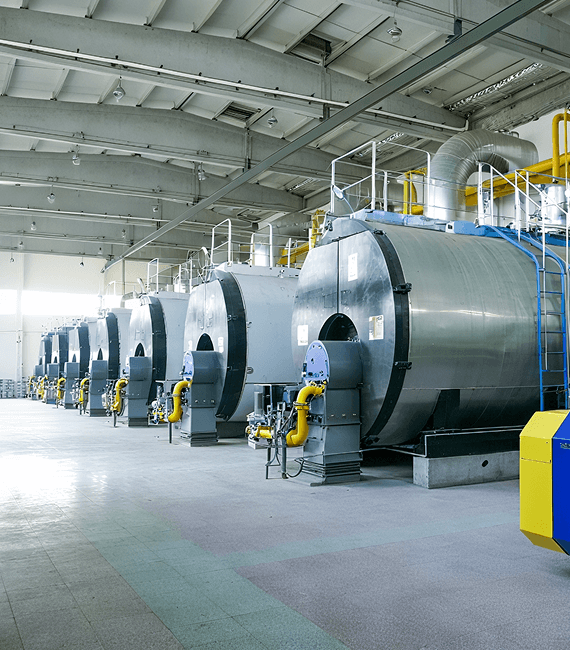

As an industrial boiler operator, the most frequent interaction we have daily is with boiler pressure. Its stability directly determines the quality and efficiency of steam production; any deviation from the rated range can impact the entire production chain. Diagnosing abnormal pressure in industrial boilers is a core task for operation and maintenance personnel. Mastering scientific diagnosis allows for quick identification of potential problems, restoring boiler stability, preventing safety accidents, and reducing operating costs.
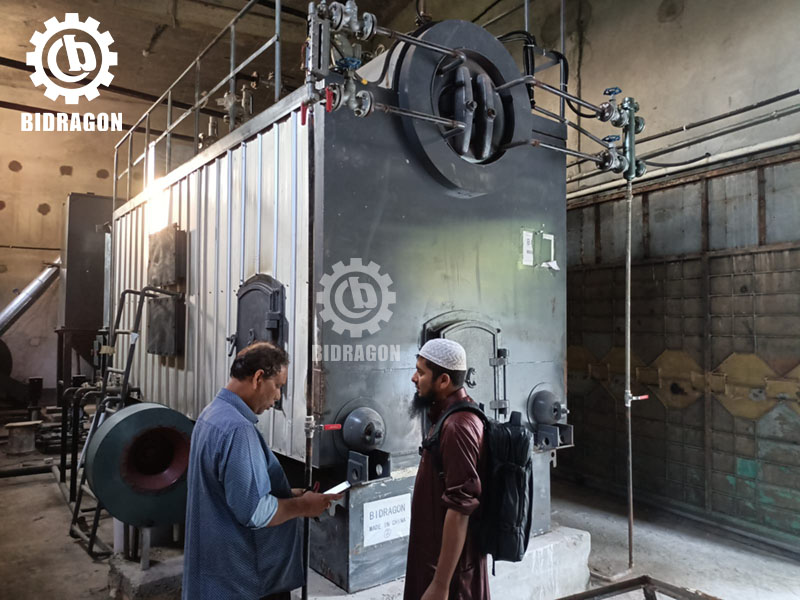
The core function of our industrial boilers is to convert the chemical energy of fuel into thermal energy, thereby producing pressurized steam that meets production requirements. Simply put, boiler pressure and steam production are inextricably linked; only at the rated pressure can compliant steam be produced to meet production process demands.
Whether in chemical, textile, or food processing industries, steam-using equipment has extremely strict requirements for steam pressure and flow rate. Stable pressure ensures that steam parameters remain consistent, preventing product quality issues caused by substandard steam, which is fundamental to smooth production.
Even more crucial is safety! The risks of abnormal pressure cannot be ignored. Overpressure will put extra pressure on pressure-bearing components such as the boiler drum and heating surfaces, which may lead to weld cracking and component deformation in the long run. In extreme cases, it may even cause a boiler explosion with unimaginable consequences. Too low pressure will cause water to be carried over into the steam, which will not only fail to meet the power requirements of the steam-using equipment, but may also damage the machine. Moreover, it is important to remember that abnormal pressure is often an "early warning sign" of problems with equipment or control systems. For example, deteriorating burner operating conditions, decreased sensor accuracy, and stuck pipe valves will all first manifest as subtle changes in pressure. By promptly identifying these signals and carrying out early repairs, the escalation of the fault can be prevented, the probability of equipment downtime can be greatly reduced, and many detours can be avoided.
Abnormal pressure mainly falls into three categories: excessively high pressure, excessively low pressure, and frequent fluctuations. The causes of these three types of faults differ significantly, so the first step must be to identify the type to avoid blind troubleshooting later.
A straightforward method of judgment is as follows: excessively high pressure means the value is consistently higher than the rated pressure, even when the boiler is operating at low load, the pressure cannot be reduced, and sometimes it may suddenly spike, triggering the control system's pressure reduction command; excessively low pressure means the value is consistently lower than the rated value, cannot be raised even under normal steam load, and will drop sharply under high load, failing to even meet basic steam demand.
Pressure fluctuations are even easier to identify: the monitoring curve fluctuates irregularly, the value repeatedly rises and falls within a short period, and even with continuous adjustments by the control system, it cannot be stabilized. If this situation persists for a long time, it will cause significant wear and tear on the boiler's control components and must be addressed promptly.
Steam load is the most direct external factor affecting boiler pressure. The boiler's steam production capacity and steam load must be balanced; once this balance is broken, pressure problems will inevitably occur.
For example, during production process switching or temporary equipment shutdown, the number of steam-consuming equipment suddenly decreases, causing a rapid drop in load. If the boiler's steam production is not adjusted in time, excess steam accumulates in the system, naturally increasing pressure. Conversely, when multiple production lines start simultaneously or high-steam-consuming equipment is put into use, steam demand suddenly increases. If the boiler's steam production cannot keep up, pressure will drop rapidly.
During troubleshooting, focus on the real-time data and historical curves of the steam flow meter. Compare the time of load changes and pressure anomalies to initially determine if load fluctuations are the cause. Additionally, pay attention to load changes in steam-consuming equipment and whether there are any hidden leaks in valves. These leaks are easily overlooked but will continuously affect pressure stability.
The amount of fuel input directly determines how much heat energy the boiler can generate, and stable heat energy is the core of stable pressure. Therefore, problems with fuel supply or combustion status will definitely have a pressure response.
First, check if the fuel valve opening is normal, and whether there is any jamming, internal leakage, or mismatch between the opening and the control signal. For gas-fired boilers, check the stability of the gas pressure. For coal-fired boilers, focus on the uniformity of the coal feeder speed and whether the coal drop pipe is blocked.
Observe the burner flame. If the flame shape is irregular, skewed, or frequently extinguishes and reignites, it indicates unstable combustion, resulting in fluctuating heat output and pressure. Additionally, parameters such as furnace pressure, flue gas oxygen content, and exhaust temperature should not be ignored, as they directly reflect whether there are any faults in the combustion system.
Modern industrial boilers generally use automatic control systems. The closed-loop system composed of pressure transmitters, PLC controllers, and actuators is crucial for maintaining stable pressure. Sometimes, abnormal pressure is not due to a problem with the boiler itself, but rather a "misjudgment" by the control system or sensors.
The pressure transmitter acts like a pressure gauge for the boiler, responsible for collecting pressure signals. If its pressure-conducting pipe is blocked, the diaphragm is damaged, or zero-point drift occurs, it will send incorrect signals to the controller. For example, if the actual pressure is normal, but the transmitter reports "pressure too high," the control system will mistakenly reduce fuel supply, causing the boiler's actual pressure to drop. This type of anomaly must be carefully identified.
During troubleshooting, focus on checking the PID control parameters for appropriateness. Their adaptability varies with load and fuel type. Incorrect parameter settings will cause the control system to lag or overshoot, leading to pressure fluctuations. Also, confirm that the controller's output signal is accurately transmitted to the actuator to ensure synchronized and effective regulation.
Although safety devices and auxiliary components of the steam system are not core steam-producing components, their malfunctions can directly cause pressure regulation failure, so they should not be overlooked.
Safety valves are the last line of defense for boiler overpressure protection. It is crucial to check that their set pressure meets standards and that there are no signs of jamming, corrosion, or leakage. Premature opening can lead to steam leakage and excessively low pressure. If they are jammed and cannot be opened, pressure cannot be released during overpressure, posing a significant risk. It is recommended to manually test safety valves periodically to effectively troubleshoot these types of faults.
Other critical valves, such as the main steam valve and desuperheating/pressure reducing valve, can also be affected. Jamming can impede steam delivery and pressure reduction, leading to abnormal internal boiler pressure. Damaged insulation in steam pipes can cause steam condensation. Scale buildup and blockages in pipes can hinder steam flow. Hidden leaks at flanges and welds can continuously consume steam. These all require thorough inspection.
Many maintenance personnel panic when encountering abnormal pressure. However, most anomalies follow patterns, with three core causes: load changes, unstable combustion, and control system malfunctions, along with some mechanical failures. Let's discuss each one in detail.
The most common cause is sudden changes in steam load. Process adjustments, equipment shutdowns, and misoperation of steam valves can all disrupt the balance between steam supply and demand, leading to sudden pressure rises or falls. This problem is more likely to occur in factories without load warning mechanisms, so it's recommended to plan ahead.
Unstable combustion systems are a core underlying cause: intermittent fuel supply leads to fluctuations in heat output; burner malfunctions result in incomplete combustion and frequent flameouts, affecting pressure stability and accelerating equipment wear.
Control system malfunctions are also common: insufficient pressure sensor accuracy, PLC program problems, and damaged actuator motors can all cause automatic regulation failures. Older boilers are more prone to these problems due to system aging, so regular inspection and maintenance are essential.
In addition, leaks or blockages in steam pipes, scale buildup on the boiler body leading to reduced heat transfer efficiency of the heating surface, and malfunctions in the boiler drum steam-water separator can also cause abnormal pressure. These are all details that you should pay close attention to.
Many operators only look at steam pressure when troubleshooting abnormal pressure. However, a single parameter is insufficient to comprehensively pinpoint the fault. A combined analysis of multiple key parameters is essential to accurately identify the root cause.
Steam pressure is a core monitoring parameter, but it must be considered in conjunction with the trend of steam flow rate changes. If both change synchronously, it's likely a load issue; if the trends are opposite, internal equipment faults need to be investigated, saving considerable time and effort.
The balance between feedwater and steam flow is also crucial, as it forms the basis for stable pressure. An abnormally reduced feedwater flow will affect boiler water circulation and heating surface cooling, leading not only to pressure fluctuations but also potential damage to the heating surfaces. Comparing the difference between the two can help troubleshoot feedwater system faults.
Combustion indicators are also important. Flue gas oxygen content reflects the suitability of combustion air distribution, while carbon monoxide content indicates whether the fuel is fully burned. Flue gas temperature changes reflect combustion efficiency and heating surface cleanliness. A sudden increase in flue gas temperature likely indicates scaling or ash accumulation on the heating surfaces. Additionally, furnace pressure and flame temperature can also help assess the state of the combustion system.
Pressure anomalies don't occur suddenly; early warning signals are present in the initial stages of a fault. Early detection of these signals can prevent the fault from escalating and reduce downtime losses.
The most obvious sign is subtle pressure fluctuations. If the pressure fluctuations exceed the normal range and the frequency increases significantly, even if the values are still within the rated range, it indicates a potential problem in the system. This could be an early sign of sensor drift or burner degradation, so pay close attention to the pressure curve.
Frequent control system actions, such as repeated start-stop cycles of the burner load regulator, frequent changes in the speed of the induced draft fan and forced draft fan, or slight leaks or vibrations in the safety valve, all indicate that the control system is overloaded, suggesting an underlying hidden fault. Don't ignore these.
Furthermore, burner flame discoloration, backfire, flameout, unstable steam output, abnormal vibrations or noises in the steam pipelines are all precursors to abnormal pressure and must be investigated promptly.
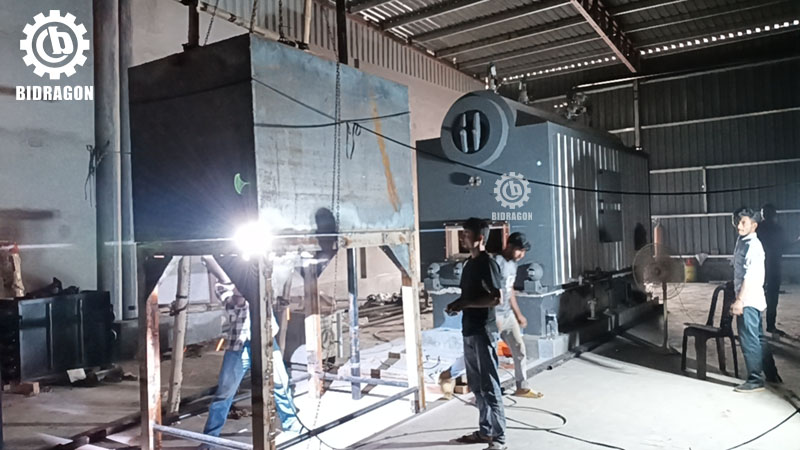
If you encounter an abnormal pressure alarm, don't panic. Follow the scientific procedures for troubleshooting, and strictly adhere to safety regulations to avoid accidents. The steps are outlined below; just follow them.
Step 1: Verify Instruments and Monitoring System: First, confirm that the reading on the on-site mechanical pressure gauge matches the digital pressure reading in the control room. If there is a significant discrepancy, prioritize checking for pressure transmitter malfunctions. Clean the pressure lines, check the power supply and wiring, and also check if other parameters are displayed normally to rule out overall monitoring system malfunctions.
Step 2: Check the Fuel System: For gas-fired boilers, check the pressure at the gas pressure regulating station and the differential pressure of the gas filter to ensure there are no blockages or leaks. For coal-fired boilers, check the operating status of the coal feeder and slag remover, check for blockages in the coal chute and grate, and observe the flame status in the furnace through the inspection port.
The third step is to inspect the valves and fans: Check the opening and operation of key valves such as the main steam valve and the desuperheating and pressure reducing valve one by one. Touch the valve actuators to check for abnormal vibrations or jamming. Next, check the operating sound and vibration of the induced draft fan and the forced draft fan, and check if the current and speed are within the normal range. Inspect the blades for dust accumulation and wear.
Finally, please remember to wear appropriate protective equipment when inspecting high-temperature and high-pressure components. Do not open the inspection ports of pressure-bearing components without authorization. If the boiler pressure continues to rise and the safety valve fails to release pressure normally, immediately execute the emergency shutdown procedure, prioritizing the safety of personnel and equipment.
Many pressure anomalies are actually preventable. Establishing a comprehensive prevention system and eliminating potential problems at their inception provides greater peace of mind and safety.
Regular equipment maintenance is key. Burners should be disassembled, inspected, cleaned, and calibrated according to the equipment manual's schedule, and worn ignition electrodes and flame detectors should be replaced promptly. Pressure sensors and transmitters should be calibrated regularly to eliminate zero-point drift. Safety valves should be recalibrated annually to ensure sensitive operation. Valves and pipelines should be lubricated and inspected regularly, and boiler heating surfaces should be descaled and soot-blown regularly to ensure heat transfer efficiency. These tasks may seem tedious, but they can significantly reduce the probability of pressure anomalies.
Strengthening load management is also crucial. Enterprises can establish a steam load scheduling mechanism, planning production line start-ups and shutdowns and process changes in advance to avoid starting multiple high-steam-consuming devices simultaneously, reducing boiler regulation pressure. Furthermore, establishing a load monitoring system to monitor real-time steam load changes and predict adjustment needs in advance can effectively prevent pressure anomalies caused by sudden load fluctuations.
In addition, there is daily monitoring and personnel training. A 24-hour operation monitoring mechanism has been established, and dedicated personnel are assigned to pay attention to key parameters such as boiler pressure and flow rate to detect minor abnormalities in a timely manner. Regular training is organized for operators and maintenance engineers to explain the diagnostic process for pressure abnormalities, the method for identifying early warning signals, and the handling measures in emergency situations, so as to improve everyone's professional capabilities.
For industrial boiler operators, abnormal pressure diagnosis is an essential skill. It not only relates to the safe, stable, and efficient operation of the boiler, but is also a crucial guarantee for factory production safety and personal safety. By following the process of "identifying the type of abnormality → investigating the load → checking combustion → verifying the control system → checking safety components," a systematic troubleshooting approach can quickly pinpoint the root cause of the fault and efficiently resolve the problem.