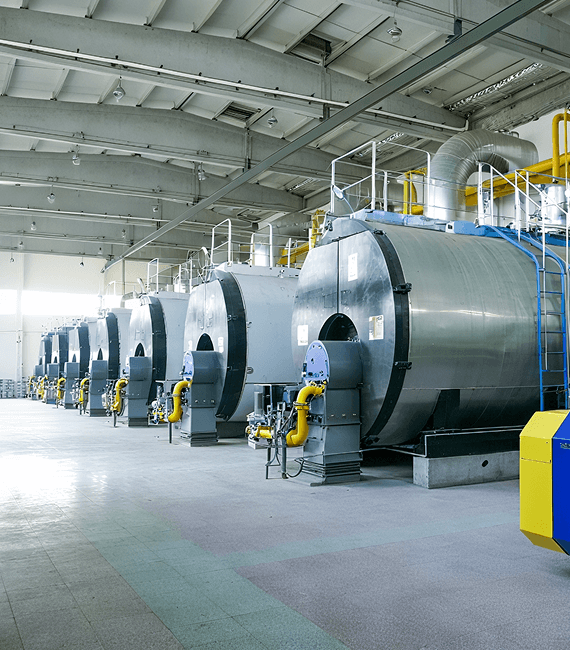

Simply put, blowdown of waste heat boilers is like detoxifying the boiler; it's the core method for purifying boiler water. In short, it removes salt, impurities, and sediment from the boiler water, keeping the boiler interior clean and preventing these contaminants from affecting operation.
Many users of waste heat boilers have misconceptions about blowdown. Some believe that the more frequent and extensive the blowdown, the better the water quality, resulting in wasted water and heat, and unstable boiler operation. Others find blowdown troublesome and simply don't do it for extended periods, leading to substandard boiler water quality, scale buildup on heating surfaces, pipe corrosion, and even affecting steam quality, creating safety hazards.
The key to blowdown is not quantity, but scientific methods. Mastering the correct blowdown methods ensures safe boiler operation and avoids unnecessary waste, which is what I want to discuss today.
Regardless of the method used for blowdown, the core objective is to remove impurities that affect the normal operation of the boiler, primarily focusing on two aspects:
First, reducing the salt content of the boiler water. Even softened feedwater contains trace amounts of salt. During boiler operation, as water evaporates, the salt gradually accumulates and becomes more concentrated inside the boiler. If the salt concentration exceeds the standard, it will not only introduce salt into the steam, affecting steam quality, but also cause scale formation on the heating surfaces, obstructing heat transfer and ultimately leading to localized overheating and equipment damage.
Second, removing impurities and sediments. Boiler water inevitably contains rust, suspended solids, and sediments produced by chemical reactions. These substances will slowly settle at the bottom of the steam drum and header. If not removed promptly, they will not only clog pipes but also accelerate equipment corrosion, causing boiler problems in a short period.
Blowdown for waste heat boilers is mainly divided into two types: continuous blowdown and periodic blowdown. These two methods each have their uses, and neither can achieve the best results alone; they must be used in combination.
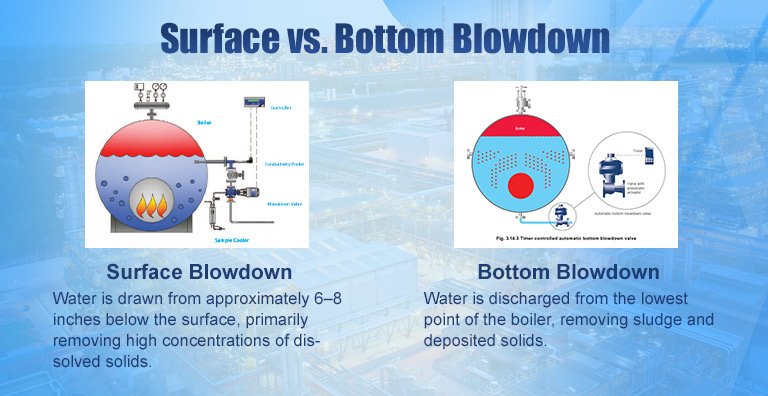
The installation location of this type of blowdown is crucial. It's generally placed 100-200mm below the boiler drum water level, precisely in the area where the boiler water salinity is most concentrated.
Its core function is to continuously discharge boiler water with high salinity, maintaining the boiler water salinity within a suitable range. As the name suggests, it involves continuous blowdown, and each discharge is small.
Typically, the continuous blowdown volume is about 0.5%-2% of the boiler evaporation capacity. The specific amount discharged depends on the boiler water quality. More is discharged if the water quality is poor, and the discharge volume is reduced once the standard is met; adjustments are made flexibly.
Periodic blowdown is located at the bottom of the boiler drum and header, where impurities and sediments most easily accumulate. Its function is to periodically clean these deposited contaminants, including rust, suspended solids, and highly concentrated boiler water.
Unlike continuous blowdown, it is intermittent, not continuous. Each blowdown is very short, generally 30-60 seconds, and the amount of blowdown is relatively small, about 0.1%-0.5% of the boiler's evaporation capacity.
This design is to avoid discharging a large amount of boiler water at once, which would cause the boiler water level to fluctuate wildly and affect operational stability.

Blowdown operation seems simple, but every step must be done carefully. Following the procedure ensures that water quality meets standards, avoids wasting water and heat, and avoids safety risks. Specifically, it can be divided into three steps: before blowdown, during blowdown, and after blowdown.
Preparation before blowdown is crucial to avoiding operational problems and should not be omitted. First, check the boiler parameters to confirm that the water level is within the normal range, approximately between 1/2 and 2/3 of the steam drum.
Because blowdown will lower the water level, if the water level is already low, blowdown can easily lead to boiler water shortage or even dry-burning accidents. It's also crucial to ensure stable steam pressure, ideally within ±0.1 MPa of the rated pressure.
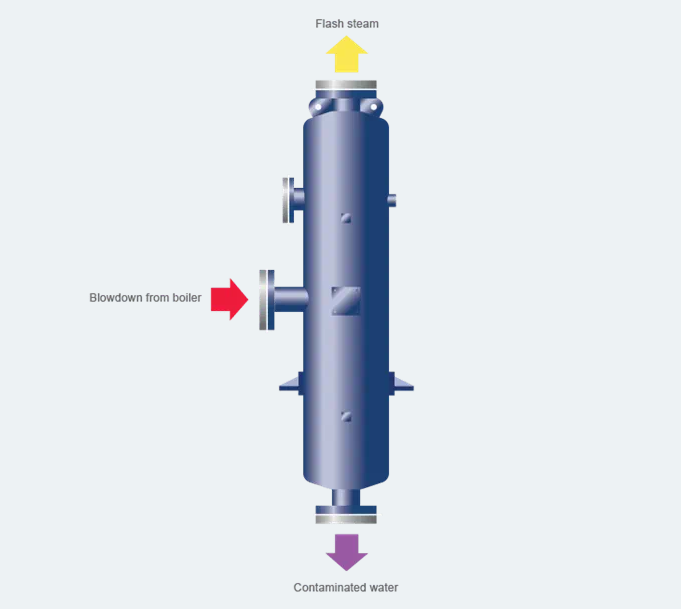
Next is safety preparation. The blowdown outlet water temperature is high and the pressure is high; operators must wear heat-resistant clothing, protective gloves, and goggles to prevent burns. The area around the blowdown pipe must be cleared of debris to ensure smooth drainage. Drainage must be connected to a blowdown expansion container or safe passage; indiscriminate discharge is prohibited.
Finally, check the valve status. Blowdown valves are generally dual valves in series (primary valve plus secondary valve). This design facilitates maintenance and prevents leaks. Ensure both valves operate smoothly without jamming or leaks, guaranteeing normal operation.
The key to blowdown is slow and steady operation. Different blowdown methods require different operational details. Let's first discuss continuous blowdown, which is performed continuously during boiler operation.
After starting the boiler, slowly open the continuous blowdown valve. Generally, first fully open the primary valve, then adjust the opening through the secondary valve. The adjustment is based on the boiler water quality test results, such as conductivity and chloride ion concentration. If the values exceed the standard, slightly increase the opening of the secondary valve; once the standard is met, decrease the opening again, always maintaining stable boiler water quality.
During operation, constantly monitor the water level and replenish water promptly using the feed pump to prevent the water level from dropping too low due to blowdown.
Regular blowdown is performed on a cyclical basis, generally 1-2 times per week. If the boiler water quality is poor, it can be performed more frequently. It is crucial to note that the operating sequence must be correct.
The correct sequence is: first, slowly open the primary valve until it is fully open, then slowly open the secondary valve, controlling the opening between 1/3 and 1/2. Do not open it too wide to avoid excessive flow impacting the pipes. After blowdown for 30-60 seconds, close the secondary valve first, then close the primary valve. This prevents boiler water from flowing back.
Another important point is that only one drain point should be opened at a time. Multiple drain points cannot be opened simultaneously, otherwise the water level will drop sharply. During draining, constantly monitor the water level gauge; if the water level drops too quickly, immediately close the drain valve.
If the boiler water quality is severely substandard, for example, if there is significant scaling on the heating surfaces, do not drain a large amount at once. Instead, drain in multiple stages, with 10-15 minutes between each drain, and each draining session should not exceed 1 minute. This will reduce heat loss.
After draining, the process is not complete. Two checks must be performed to ensure there are no safety hazards. First, check the valve status. After closing the drain valve, touch the pipe at the valve outlet. If there is no heat or water flow, the valve is sealed well and there is no leakage.
If there is a leak, it must be dealt with immediately, otherwise boiler water will be wasted and equipment may be damaged. Secondly, monitor water quality and level. 10-15 minutes after blowdown, take a sample of the boiler water for testing to confirm that conductivity, chloride ions, and other indicators meet standards.
The standard for conventional waste heat boilers is conductivity ≤1000μS/cm and chloride ions ≤200mg/L. Refer to your own boiler's water quality standards for specific requirements. Simultaneously, confirm that the water level has returned to normal without abnormal fluctuations; only then can the boiler operate normally.
Many people don't know how to control blowdown volume or what the water quality standards are. Actually, there are clear reference values; just apply them directly, no need to figure it out yourself.
The continuous blowdown volume is generally controlled at 0.5%-2% of the boiler's evaporation rate. For example, for a boiler with an evaporation rate of 10t/h, the continuous blowdown volume is approximately between 0.05-0.2t/h. Adjust according to water quality conditions; don't rigidly adhere to the exact value.
Regular blowdown should not exceed 0.5% of the boiler's evaporation capacity each time. Taking a 10t/h evaporation boiler as an example, the blowdown volume should not exceed 0.05t/h each time.
Furthermore, the total daily blowdown volume should not exceed 3% of the boiler's evaporation capacity. This ensures water quality meets standards while avoiding water and heat waste, achieving energy-efficient operation.
The quality of boiler water is mainly determined by four core indicators, each with clear standards and corresponding treatment methods for exceeding them. Just remember them.
Conductivity (25℃): The standard value is ≤1000μS/cm. If it exceeds this standard, increase the continuous blowdown volume and check the feedwater quality to see if there is a problem with the feedwater.
Chloride ions (Cl⁻): The standard value is ≤200mg/L. If it exceeds this standard, increase the frequency of regular blowdowns and check if the feedwater is contaminated to address the problem at its source.
The pH value (at 25℃) should be controlled between 9.0 and 10.5. If it does not meet the standard, adjust the dosage of chemicals in the feedwater, such as appropriately increasing the amount of phosphate added.
The standard value for suspended solids is ≤5mg/L. If it exceeds the standard, perform regular blowdowns more frequently and check the feedwater filtration system to ensure the feedwater is clean.
Many people make small mistakes in daily blowdown operations due to a lack of understanding of the principles. These mistakes may seem insignificant, but they can pose significant risks to the boiler, so everyone must avoid them.
The first mistake is blindly and frequently blowing down the boiler. Some people believe that the more blowdowns, the better the water quality, but this is not the case. Frequent blowdowns not only waste water and heat but also cause frequent fluctuations in the boiler water level, affecting the stable operation of the boiler and ultimately harming the equipment.
The second mistake is neglecting to blow down the boiler water for extended periods. Ignoring water quality monitoring and failing to blow down the boiler water for a long time will lead to excessive salt content, scaling on heating surfaces, pipe corrosion, and in severe cases, salt carryover in the steam, affecting production efficiency and even damaging the equipment. The third misconception is low-level blowdown. Blowdown when the water level is below the normal range can easily lead to boiler dry burning due to lack of water, which is a very dangerous operation that may damage the heating surface and even cause a safety accident.
The fourth misconception is rapidly opening and closing the blowdown valve. Opening and closing the valve too quickly will result in excessive flow and pressure surges, which can not only damage the blowdown valve's sealing surface but also cause pipe vibration, water hammer, and shorten the pipe's lifespan.
Finally, here's a simple and easy-to-remember tip for blowdown operation. Whether you're a novice or an experienced operator, you can use it to remind yourself to operate correctly and avoid mistakes.
The tip is: Boiler blowdown should be scientific, with continuous and regular adjustments; first check the water level and pressure, and ensure safety precautions; open and close slowly to control the flow rate, and adjust the duration according to the standards; achieving water quality standards is key, and energy saving and consumption reduction are essential.
The blowdown of waste heat boilers is not as complicated as many people imagine. The key is to master the correct blowdown methods, control key parameters, and avoid common operational mistakes.
Proper blowdown operations not only ensure steam quality and prevent equipment scaling and corrosion, but also reduce water and heat waste, lowering equipment maintenance costs. For companies using waste heat boilers, standardized blowdown is not an extra hassle, but a crucial step in extending boiler life and ensuring production safety.
Hopefully, the content shared today will help everyone truly master the operational procedures for waste heat boiler blowdown, ensuring that your boilers always maintain a safe and stable operating condition.