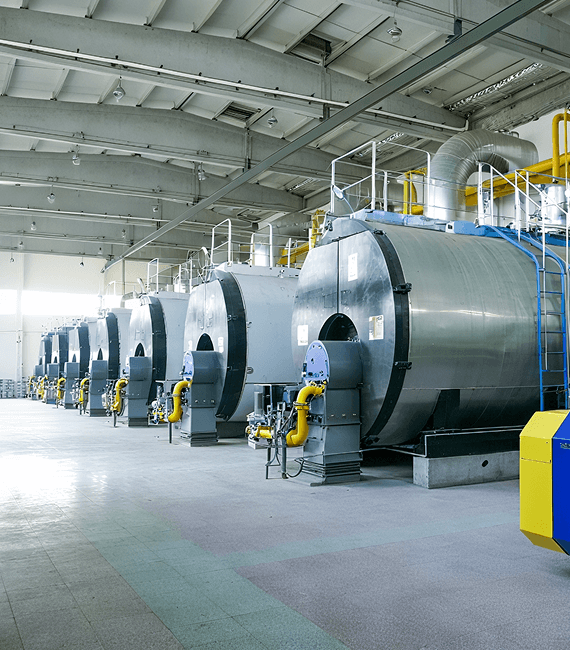

When selecting steam boilers, most factories focus solely on basic equipment specifications while overlooking the fundamental logic of selection. Boiler selection should not rely merely on average steam consumption during routine, steady-state production; the key is to match the boiler to the factory's actual, dynamic steam demand.
An undersized boiler may perform adequately during routine low-load operations. However, during peak production periods, steam supply and pressure stability can become erratic, directly hindering the smooth operation of production lines. Proper boiler selection requires aligning with the factory's actual production needs and incorporating an appropriate capacity margin.
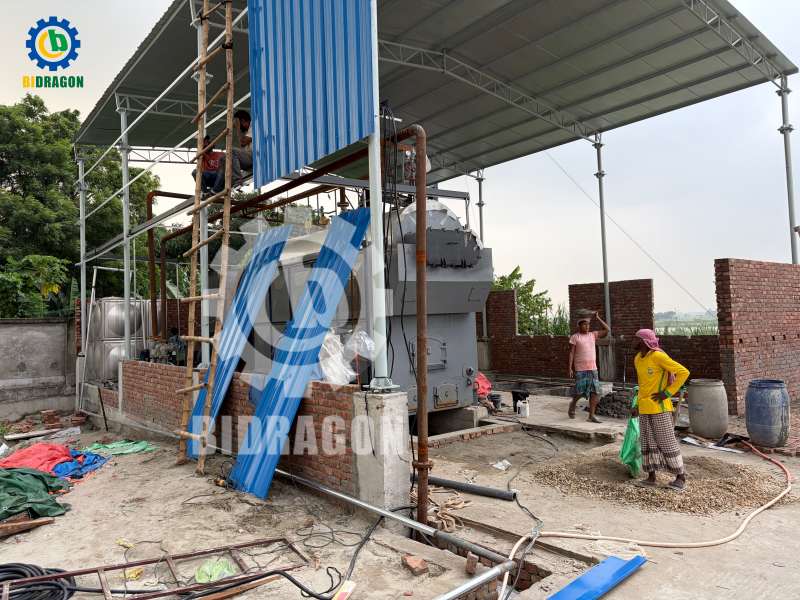
Industrial boiler capacity is the primary metric for measuring a unit's steam-generating capability and serves as the foundation for steam system design and selection. It represents the continuous steam output under rated operating conditions and determines the upper limit of the facility's heat supply. Boiler capacity directly impacts steam output, load-bearing capability, and pressure stability. When the capacity is insufficient, even if the nameplate parameters are compliant, the actual steam pressure will still fluctuate and cannot meet the process stability requirements.
Industrial boilers follow standardized measurement conventions. Steam-generating capacity for small and medium-sized boilers is measured in kilograms per hour (kg/h), while mainstream large and medium-sized industrial boilers use tonnes per hour (t/h). Hot water and heating boilers are rated by heating output in megawatts (MW).
The capacity listed on a boiler's nameplate represents a theoretical value based on ideal operating conditions. Factors such as heat loss in piping, fluctuations in water quality, and equipment fouling or aging reduce steam-generating efficiency. Consequently, the actual effective steam output is generally lower than the theoretical specifications. Relying solely on average daily steam consumption for selection is unreliable; average figures account only for steady, low-load production and fail to accommodate peak conditions where multiple pieces of equipment operate simultaneously, often resulting in a boiler with inherently insufficient capacity.
Every boiler has fixed hardware limits regarding its steam generation rate and total output, determined by its capacity. During routine low-load operations, an undersized boiler can barely sustain production without obvious issues.
However, when the factory operates at full capacity and multiple steam-consuming units start up simultaneously, instantaneous steam demand far exceeds the daily average. If the boiler's steam generation rate cannot keep pace with consumption, a gap between steam supply and demand inevitably arises.
The issue of an undersized boiler is often concealed, manifesting only during peak production periods. This is the primary reason why many factories experience normal boiler operation day-to-day but encounter frequent problems when rushing to fulfill orders or running at full capacity.
A steam deficit directly disrupts the production rhythm. Insufficient heat supply prevents processing steps from being completed on schedule, forcing the factory to extend production times or reduce equipment operating speeds, ultimately resulting in a decline in overall production capacity and efficiency.
Stable pressure in a steam piping network relies on the dynamic balance between steam generation and consumption. A boiler with appropriately matched capacity can rapidly respond to load fluctuations; it maintains steady pressure even during short-term spikes in demand, keeping network pressure within the required operational range.
When boiler capacity is insufficient, the rate of steam consumption during peak periods far exceeds the rate of generation. Steam reserves in the network are rapidly depleted, and the boiler cannot replenish supply quickly enough. This results in a continuous decline and frequent fluctuation of steam pressure.
All steam-reliant production equipment operates within a specific pressure range. Unstable pressure disrupts operating conditions, preventing equipment from reaching rated processing temperatures and reducing operational efficiency; it can also trigger malfunctions such as frequent start-stop cycles and operational instability.
In industries requiring high temperature precision—such as food processing, pharmaceuticals, and fine chemicals—steam pressure directly determines process temperatures. Even minor pressure fluctuations can cause process deviations, directly impacting the yield of high-quality products on the production line.
Many enterprises view boiler issues solely in terms of energy consumption, overlooking their impact on product quality. Steam is a core heat source in industrial processing, and the stability of steam conditions directly determines processing outcomes and batch-to-batch consistency.
Processes such as heating, cooking, drying, sterilization, and chemical reactions require a constant temperature environment. Steam supply fluctuations caused by insufficient capacity lead to continuous temperature instability. Failure to maintain the required temperature results in incomplete processing, while sudden temperature spikes can cause material degradation and spoilage.
Operators often attempt to compensate for insufficient heat by extending processing times, but this cannot offset the process deviations caused by temperature fluctuations. Inconsistent processing environments across batches lead to uneven quality and higher defect rates.
Insufficient boiler capacity is not merely an energy system failure; its effects propagate through the production chain, becoming a critical quality risk that compromises product pass rates and drives up production costs.
Short-term peak high-load operation of boilers is a normal operating condition and will not damage the equipment. However, boilers that are too small have no margin and will operate at full or even overload for a long time, which will cause continuous equipment damage.
Core components such as the burner, fans, water pumps, and heat-exchange surfaces operate continuously beyond their design specifications. The burner maintains maximum firing output, auxiliary equipment runs at full speed around the clock, and heat-exchange surfaces endure prolonged high temperatures and pressures, drastically accelerating the overall rate of equipment wear.
Prolonged high-intensity operation exacerbates fouling, corrosion, and mechanical wear, leading to a significant increase in failure frequency and necessitating shorter intervals between routine maintenance; consequently, the plant's O&M costs and downtime for repairs continue to rise.
Furthermore, operating with zero margin completely eliminates operational flexibility. The boiler cannot adjust to accommodate temporary production increases, minor operational tweaks, or slight equipment malfunctions. This results in a steam system with extremely low fault tolerance, making a total loss of steam supply highly likely. Boiler selection should not simply match peak demand; a reasonable capacity margin is essential for long-term, stable equipment operation.
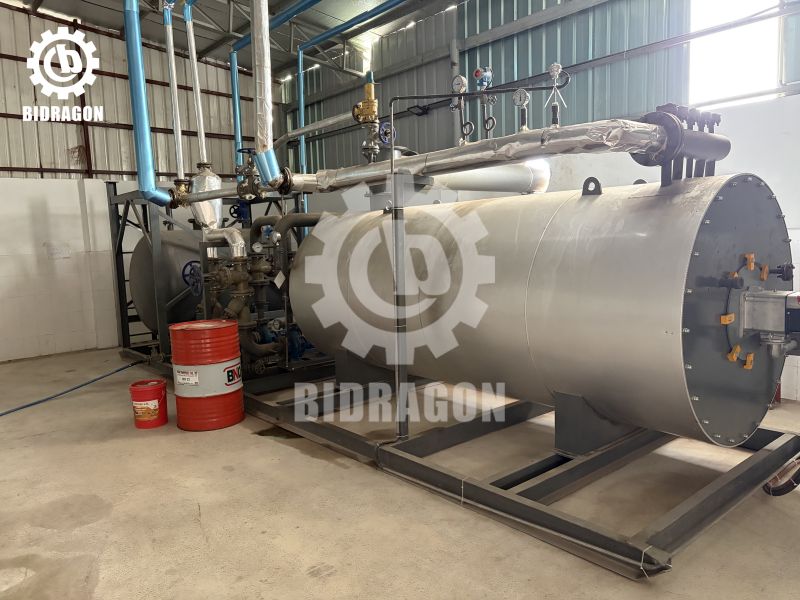
To control procurement costs, many enterprises select boiler models based strictly on theoretical peak steam consumption, aligning the rated capacity exactly with the theoretical maximum demand. While this approach appears precise, it entails significant operational risks in real-world settings.
Theoretical steam consumption figures are calculated based on static, standard operating conditions and cannot account for the dynamic nature of factory production. Simultaneous startup of multiple production lines, rush orders, and process transitions can generate instantaneous steam demand spikes—fluctuations that are not captured in theoretical calculations.
Factors such as seasonal temperature changes, adjustments to production shifts, the addition of small equipment, and increased energy consumption due to equipment aging can steadily drive up total steam demand, quickly rendering a previously "matched" boiler capacity insufficient.
A boiler with zero capacity margin cannot accommodate fluctuations in operating conditions; even minor changes in production can lead to steam shortages and unstable pressure. Operating at full load for extended periods without a buffer for adjustment compromises operational stability over time.
Reserving a capacity margin does not mean blindly selecting an oversized boiler. Excessive capacity leads to prolonged low-load, inefficient operation, resulting in higher energy consumption and maintenance costs. The key to proper selection lies in accurately matching real-world operating conditions and reserving an appropriate margin to balance stability with cost-efficiency.
Boiler capacity calculation cannot be simply based on the parameters on the equipment nameplate. It must rely on real operating data from the factory and be calculated comprehensively based on multi-dimensional operating conditions. The reference value of actual production data is far higher than that of theoretical parameters.
The core of the calculation involves tracking actual steam consumption data, including both average daily usage and peak usage during full-capacity production. It is also essential to analyze the operational patterns of steam-consuming equipment and the synchronization of steam loads to avoid artificially inflated figures caused by simple parameter summation.
Production modes directly influence capacity selection criteria. Factories with intermittent production experience concentrated, short-lived peak loads, whereas factories operating on continuous three-shift schedules require sustained steam supply capabilities; the logic for capacity allocation differs completely between the two.
Steam transmission losses and condensate recovery efficiency must be factored into the calculation. Long pipeline distances and poor insulation increase steam losses. Higher condensate recovery rates reduce the load for boiler make-up water and steam generation, allowing for the optimization of required capacity.
Capacity planning must account for long-term production expansion to prevent the boiler from becoming a bottleneck following future production line upgrades or the addition of new processes. Finally, a reasonable operating margin should be established based on the patterns of on-site load fluctuations.
A comprehensive calculation requires distinguishing between three types of loads: the stable base load (year-round), the normal load (daily full-capacity production), and the peak load (short-term, concentrated startup). Selecting equipment that aligns with the fluctuations of these three load types ensures the system meets the factory's full range of production needs.
Boiler capacity selection should not focus solely on the boiler unit itself but must be determined through a comprehensive assessment of the entire steam system's operating conditions, as system parameters directly dictate the equipment's ultimate suitability.
The steam pressure and temperature required by the production process are primary indicators. High-temperature, high-pressure production scenarios demand superior instantaneous steam generation and thermal storage capabilities, necessitating a larger capacity margin.
Fuel type affects the boiler's actual steam generation efficiency. Combustion characteristics vary by fuel; a boiler of a given capacity will yield different steam supply results depending on the fuel used, so effective steam supply parameters must be adjusted based on the fuel typically employed.
Feedwater temperature and boiler thermal efficiency impact the actual load. Low feedwater temperature increases the energy required for vaporization and slows down the rate of steam generation. The effective steam output of aging, inefficient equipment is significantly lower than its rated specifications.
The layout of the piping network is a critical factor; long-distance or complex piping increases heat loss, necessitating a moderate increase in equipment capacity to compensate for these losses. A high condensate recovery rate can reduce the boiler's operating load and optimize capacity selection criteria.
Furthermore, factors such as specific process requirements, daily load fluctuations, and seasonal operational differences must be taken into account during the selection process. The core objective is to align equipment parameters with the plant's actual, dynamic operating conditions rather than relying on a single theoretical standard.
Modern industrial production often relies on continuous assembly lines, where a stable steam supply is the foundation for uninterrupted operation. The suitability of the boiler capacity directly determines the production system's resilience against fluctuations.
A properly sized boiler delivers a continuous supply of steam at stable pressure, ensuring constant process temperatures and smooth equipment operation. This allows the factory to maintain a steady production schedule without cutting capacity or halting operations due to heat source issues.
Adequate capacity margin prevents the boiler from running at full load for extended periods, thereby reducing component wear and the likelihood of equipment failure. With predictable maintenance cycles, enterprises can plan repairs in advance, eliminating the risk of unexpected shutdowns disrupting production schedules.
An undersized boiler renders the production system highly vulnerable. Even minor fluctuations in steam demand can trigger irregularities in supply and pressure, leading to process temperature deviations and inconsistent product quality. Continuous overload operation causes a buildup of potential faults, making production schedules highly susceptible to interruption.
Boiler selection cannot rely solely on average daily operating conditions; it must account for production fluctuations, temporary increases in output, and seasonal variations to ensure long-term production stability.
Capacity margin serves as a buffer to offset production fluctuations, equipment wear, and distribution network losses; it is crucial for avoiding prolonged full-load boiler operation.
There is no industry-wide standard for a fixed margin ratio; the appropriate margin depends on the factory's production model and steam consumption patterns. Standards for capacity margins differ significantly between facilities with intermittent production and those with continuous, stable operations.
Selection requires distinguishing between four types of capacity needs: normal operating capacity for daily production, peak capacity for maximum output scenarios, standby capacity to offset operational fluctuations, and expansion margin for future upgrades.
Factories with stable operating conditions and minimal load fluctuations do not need a large margin; a moderate reserve suffices to avoid energy waste caused by low-load operation.
Factories with flexible production, frequent equipment start-stop cycles, and significant disparities between winter and summer loads experience a wide gap between peak and average steam consumption; they require a larger capacity margin to mitigate supply risks during peak periods.
Capacity margin design follows the principle of appropriate sizing. Indiscriminately selecting high-capacity boilers leads to wasted energy consumption and excessive operation and maintenance costs; only by precisely sizing the equipment based on specific operating conditions can a balance between stability and cost-efficiency be achieved.
Insufficient boiler capacity is often a problem that develops over time; a comprehensive assessment based on various operating conditions is required, rather than drawing conclusions from a single symptom.
A classic indicator is abnormal pressure during peak production periods. When the factory is operating at full capacity and multiple devices are using steam simultaneously, the pipeline pressure drops significantly and cannot meet the process standards. Under stable production conditions, the pressure is normal.
Operating consistently near rated load is another key indicator. A boiler that runs at its limit year-round, with no margin for load fluctuation between off-peak and peak seasons, is typically undersized; a properly sized boiler operates at high load only during brief peak periods.
Significant process anomalies occur. Equipment fails to reach target processing temperatures, processing times are involuntarily extended, and production efficiency declines. Multiple production lines cannot operate simultaneously; running at full capacity leads to steam shortages and failure to meet process specifications.
Long-term operational logs provide a precise basis for verification. If the boiler consistently runs at full load, frequently experiences steam supply shortfalls, and demonstrates poor process stability, the equipment capacity is inadequate for production needs. System optimization is required through capacity expansion, the addition of new equipment, or boiler replacement.
Suitability is the sole criterion for boiler selection; one should neither choose undersized equipment to save money nor blindly opt for an oversized boiler. The optimal capacity must precisely match the factory's actual operating conditions.
Providing comprehensive on-site data when consulting with manufacturers or engineers for capacity calculations significantly improves accuracy. Key data points include daily and peak steam demand, required process steam pressure, and the fuel type to be used.
Additionally, details such as production duration, shift patterns, the number of production lines, and condensate recovery conditions help engineers accurately model the production environment, thereby minimizing discrepancies between theoretical calculations and actual operating conditions.
Professional capacity assessment prior to commissioning is crucial for avoiding selection errors. A selection tailored to actual operating conditions meets production needs across all timeframes and maintains a reasonable operating margin, fundamentally preventing issues such as insufficient steam supply, pressure fluctuations, equipment overload, and inconsistent product quality.
Proper boiler capacity configuration is essential for ensuring stable production, minimizing the risk of breakdowns, and reducing production losses.
Selecting an undersized boiler negatively impacts the entire production system. It leads not only to insufficient steam supply but also to issues like declining product quality, ultimately harming the factory's interests. Even if the boiler capacity matches theoretical peak demand, operational risks remain. Theoretical data cannot account for dynamic scenarios like production fluctuations; selecting a boiler with zero capacity margin leaves the factory without a buffer to handle peak production periods.
Scientific boiler selection is not about pursuing the largest possible equipment capacity, but rather about aligning with the factory's actual operating conditions, peak demands, and long-term production plans. Precise capacity configuration ensures the long-term, stable operation of the steam system.
If the required boiler capacity cannot be determined precisely, compile data on on-site steam usage, process pressure standards, and production conditions, and consult a professional boiler manufacturer for a customized selection assessment.