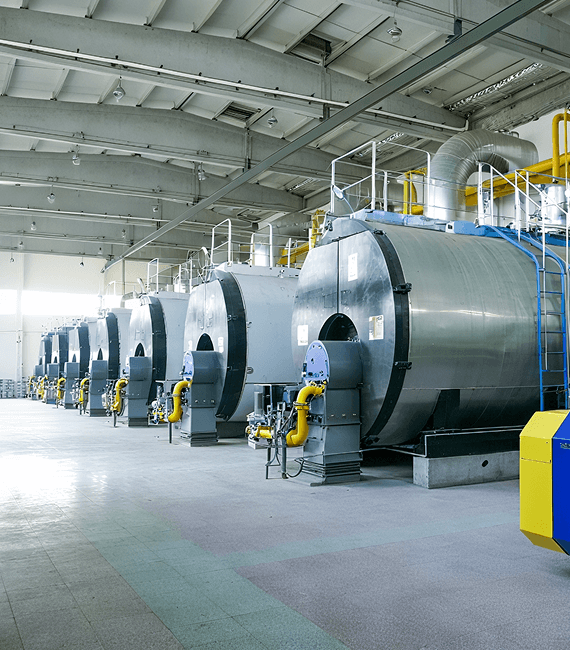

In the complex system of industrial production, industrial boilers, as core power equipment, have steam quality that directly impacts the smooth operation of the entire production process. Steam is not only a carrier of heat transfer but also a crucial factor in ensuring process accuracy, equipment safety, and product quality. This article will delve into the core meaning of industrial boiler steam quality, analyze its multi-dimensional impact on industrial production, and propose targeted optimization and assurance strategies, providing professional references for enterprises to enhance energy efficiency, reliability, and product stability by improving steam quality.
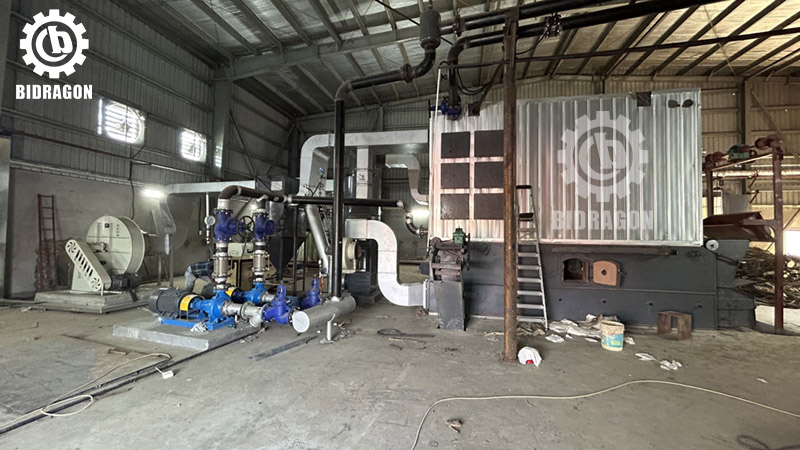
Steam quality is a comprehensive indicator of whether steam can meet the needs of industrial production, mainly covering three core dimensions: dryness, purity, and stability. Dryness refers to the mass proportion of dry saturated steam in the steam; purity reflects the level of impurities in the steam; and stability emphasizes the ability of the steam's pressure, temperature, and composition to remain stable during operation. These three indicators are interrelated and jointly determine the practical value of the steam.
There are some common misconceptions about steam quality. Some companies believe that as long as the boiler can produce steam with sufficient pressure, it can meet the needs, neglecting the importance of dryness and purity; others equate high steam pressure directly with high quality, while in reality, pressure is only one of the basic parameters of steam, and pressure indicators without considering dryness and purity cannot fully reflect steam quality. These misconceptions often lead to insufficient investment in steam management, ultimately affecting production efficiency.
Water treatment and feedwater characteristics are the primary factors affecting steam quality. If the feedwater contains excessive hardness substances, dissolved oxygen, or suspended solids, it will form scale and cause corrosion in the boiler after heating. These impurities will also enter the subsequent system with the steam, directly reducing steam purity. Whether the feedwater quality indicators meet the standards and whether the treatment process is complete determines the basic level of steam quality from the source.
Boiler design and combustion performance have a direct impact on steam quality. Unreasonable design of the boiler's steam-water separation device will lead to the steam carrying too much water, reducing steam dryness; if the combustion system has problems such as incomplete combustion or unbalanced air-fuel ratio, it will not only reduce boiler thermal efficiency but also produce harmful gases and impurities, indirectly affecting steam purity. A reasonable boiler structure and excellent combustion performance are the hardware guarantees for generating high-quality steam. The layout and insulation of the steam distribution system should not be overlooked. A chaotic pipe layout or improper pipe diameter selection in the steam distribution system can lead to uneven pressure loss during steam transport, affecting steam stability; inadequate insulation measures will cause heat loss during steam transport, leading to local condensation and reducing steam dryness. A well-designed system layout and effective insulation are crucial for maintaining steam quality.
Operating procedures and maintenance frequency are equally critical. If operators do not strictly follow operating procedures to control boiler water level, pressure, and load, it can easily lead to problems such as steam-water carryover, damaging steam quality; untimely maintenance of boilers and related equipment will allow problems such as scale and corrosion to accumulate, not only affecting boiler operating efficiency but also continuously degrading steam quality. Standardized operation and regular maintenance are core daily tasks to ensure steam quality.
Steam quality, as a core influencing factor in industrial production, directly affects multiple key dimensions of production outcomes. Its quality not only relates to the level of production efficiency but also determines the stability of product quality and the safety of equipment operation, having a profound impact on enterprise operating costs and long-term development.
Wet steam is one of the main factors leading to reduced heat exchange efficiency. When steam containing water condenses on the heat exchange surface, it forms a water film that hinders heat transfer, significantly reducing the amount of heat exchange for the same heat exchange area. To meet the temperature requirements of the production process, companies have to extend the heating time, which undoubtedly increases the boiler's operating load.
The reduction in heat exchange efficiency directly translates into increased energy consumption. To maintain the same production output, the boiler needs to burn more fuel to compensate for the loss of heat transfer, which not only increases the company's energy costs but also increases energy waste. Long-term high energy consumption significantly increases production costs, weakening market competitiveness, and this impact is even more pronounced against the backdrop of fluctuating energy prices.
Steam containing water or impurities can lead to uneven heating during the heating process. The presence of water causes local temperatures to be lower than required by the process, while impurities may deposit on the heat exchange surface, further exacerbating the uneven heat transfer. This temperature fluctuation directly affects the stability of the production process, leading to product quality deviations.
Industries such as food processing, pharmaceuticals, and textiles have extremely high requirements for steam stability. In food processing, insufficient steam purity may lead to product contamination, affecting food safety; in the pharmaceutical industry, fluctuations in steam quality can affect the efficiency and purity of drug synthesis reactions, failing to meet strict industry standards; in the textile industry, unstable steam dryness and temperature can lead to uneven dyeing of fabrics and poor setting effects. The product quality in these industries is directly linked to steam quality, and even minor fluctuations in steam quality can cause serious quality problems.
Unstable steam quality also affects process accuracy and reliability. Many aspects of industrial production require precise control of parameters such as temperature and pressure. Fluctuations in steam quality can cause these critical parameters to deviate from the set values, preventing the production process from operating stably. Frequent process adjustments not only increase operational difficulty but may also lead to production interruptions, reducing production efficiency and product qualification rates.
Wet steam significantly accelerates the corrosion process of equipment. When moisture comes into contact with the metal surfaces of the equipment, electrochemical corrosion occurs under high temperature and pressure, gradually damaging the metal structure. Simultaneously, the flow of wet steam in pipes and valves can trigger water hammer phenomena. The instantaneous impact force generated by water hammer can cause severe vibration and shock to pipes and equipment, potentially leading to pipe rupture, valve damage, and other failures in severe cases.
Impurities in the steam are the main cause of equipment scaling and valve failures. Impurities deposit on the heating surfaces of boilers and the inner walls of pipes, forming scale. Scale has extremely low thermal conductivity, hindering heat transfer, which not only reduces boiler thermal efficiency but also leads to localized overheating of the heating surfaces, shortening equipment lifespan. When impurities enter the valves, they can wear down the valve sealing surfaces, leading to valve leakage, affecting system pressure control, and increasing equipment maintenance costs.
Steam quality is a crucial foundation for ensuring equipment operational safety. Problems such as corrosion, scaling, and water hammer caused by low-quality steam reduce the safety performance of the equipment and increase the risk of equipment failures and safety accidents. Safety accidents such as boiler explosions and pipe ruptures can not only cause significant economic losses but also threaten the lives of operating personnel. Therefore, maintaining high steam quality is an important guarantee for industrial production safety.
Optimizing feedwater treatment is a fundamental measure to improve steam quality. Based on the characteristics of the feedwater quality, appropriate treatment processes should be selected to effectively remove harmful impurities such as hardness substances, dissolved oxygen, silica, and suspended solids from the water. Through multi-stage treatment including pretreatment, softening, and deoxygenation, the feedwater quality is ensured to meet boiler operating requirements, reducing factors affecting steam quality from the source.
Upgrading key equipment such as steam-water separators, dryers, and steam traps can directly improve steam quality. High-efficiency steam-water separators can effectively separate water from the steam, increasing steam dryness; steam dryers can further remove residual trace amounts of water and some impurities from the steam, improving steam purity; and high-performance steam traps can promptly discharge condensate from pipes and equipment, preventing condensate from mixing with the steam and maintaining stable steam quality.
Strengthening insulation and optimizing pipeline design are also important measures. Using high-efficiency insulation materials to insulate the boiler body, steam pipes, and related equipment reduces heat loss during steam transportation and prevents steam condensation; optimizing pipeline design, rationally planning pipeline routes, and selecting appropriate pipe diameters reduce pressure loss and flow resistance in the pipes, ensuring smooth steam transportation and maintaining stable steam parameters.
Installing a real-time monitoring system can provide data support for steam quality control. By installing monitoring equipment at the boiler outlet and key nodes of the steam pipeline, core indicators such as steam dryness, pressure, temperature, and purity are collected in real time, allowing for timely detection of fluctuations in steam quality. Operators can adjust boiler operating parameters based on monitoring data and take targeted measures to ensure that steam quality remains within the acceptable range.
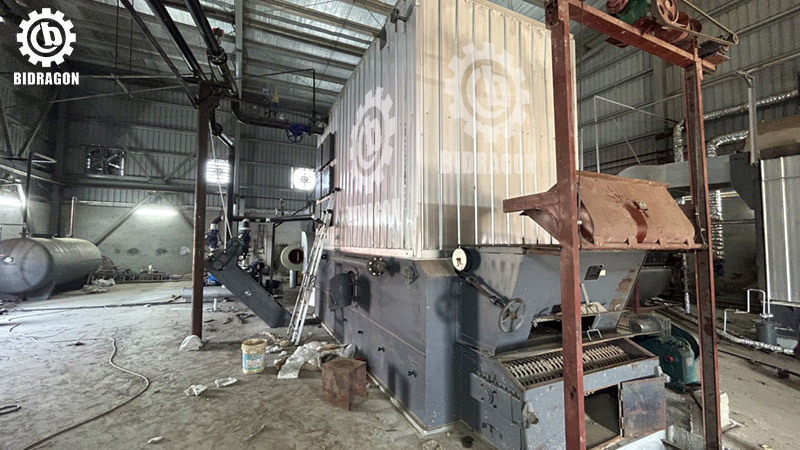
Operator training and standardized procedures are crucial for ensuring stable boiler operation. Companies should regularly organize professional training for operators to familiarize them with the working principles, operating procedures, and emergency handling methods of boilers, and to master knowledge and control techniques related to steam quality. Establishing comprehensive standardized operating procedures, clearly defining the specific requirements and parameter ranges for each operating step, ensures that operators strictly follow the procedures, avoiding human errors that could affect steam quality.
Regular inspection of equipment such as steam traps, valves, and instruments is an important part of maintenance work. The performance of steam traps and valves directly affects steam quality and system operating efficiency. They should be inspected, cleaned, and calibrated regularly, and damaged parts should be replaced promptly. The accuracy of instruments is fundamental to monitoring steam quality and boiler operating status. Pressure gauges, thermometers, water level gauges, and other instruments should be calibrated regularly to ensure accurate and reliable measurement data, providing a correct basis for operational adjustments.
Preventive maintenance can effectively prevent boiler efficiency degradation and maintain stable steam quality. A reasonable preventive maintenance plan should be developed, and comprehensive inspections and maintenance should be performed regularly on the boiler body, combustion system, heat exchange system, and water treatment equipment. Scale and impurities inside the boiler should be removed promptly, and minor equipment malfunctions should be repaired. Preventive maintenance eliminates potential problems in their early stages, ensuring that the boiler remains in good operating condition and preventing decreased steam quality and efficiency due to equipment failure.
The core objective of water treatment is to remove substances from the water that are harmful to steam quality and boiler operation, including hardness substances, oxygen, silica, and suspended solids. Hardness substances are the main components of scale formation; removing hardness prevents scaling in boilers and pipes. Oxygen causes metal corrosion, and deoxygenation protects the metal structures of boilers and equipment. Silica forms insoluble silica scale at high temperatures, affecting heat exchange efficiency and steam purity. Suspended solids can clog pipes and equipment, increasing wear and corrosion risks.
Chemical treatment and mechanical treatment are the two main methods of water treatment, and they have significant differences. Chemical treatment involves adding chemical agents to react with harmful impurities in the water, converting them into harmless substances or easily separable precipitates. This method provides stable treatment results and is suitable for removing dissolved impurities. Mechanical treatment uses physical methods such as filtration, sedimentation, and centrifugation to separate suspended solids and some colloidal impurities from the water. It is simple to operate and has lower costs, and is often used in the pretreatment stage of feedwater. In actual water treatment processes, a combination of both methods is usually required to achieve the best treatment results.
Water quality has a direct and significant impact on boiler operating performance. High-quality feedwater reduces scaling and corrosion inside the boiler, lowers equipment maintenance costs, and extends the boiler's service life. At the same time, good water quality ensures efficient heat transfer in the boiler, improves thermal efficiency, and reduces energy consumption. Conversely, poor water quality leads to severe scaling and corrosion in the boiler, not only reducing boiler thermal efficiency and increasing energy consumption, but also affecting steam quality and even causing safety accidents, seriously impacting the company's production and operations.
Condensate management strategy is a critical aspect of the steam distribution system. If condensate is not discharged promptly and effectively, it will mix with the steam, reducing steam dryness and affecting steam quality. Companies should develop reasonable condensate recovery and discharge strategies, using efficient steam traps and condensate recovery systems to ensure that condensate is quickly discharged after it is generated, while also achieving condensate recycling, thereby improving steam quality and saving water and energy resources.
Pressure balance and load fluctuation control are directly related to the stability of steam quality. Uneven pressure distribution in the steam distribution system can lead to turbulent steam flow, affecting the stability of steam parameters; fluctuations in production load can cause changes in boiler steam output. If the system is not adjusted promptly, it can lead to fluctuations in steam pressure and temperature. By installing pressure regulating devices and load control systems, the system pressure and load changes can be monitored in real time, and relevant parameters can be adjusted promptly to maintain system pressure balance and ensure that steam quality is not affected by load fluctuations.
Pipe design has a significant impact on steam dryness. Design factors such as the direction, slope, and diameter of steam pipes all affect the flow state of steam in the pipes and the discharge of condensate. Unreasonable pipe design may lead to the accumulation of condensate in the pipes, preventing its smooth discharge, and thus mixing with the steam and reducing steam dryness. Optimizing pipe design ensures that the pipes have a reasonable slope to facilitate the flow and discharge of condensate; selecting appropriate pipe diameters reduces steam flow resistance and prevents excessive condensation in the pipes, maintaining stable steam dryness.
The core monitoring indicators of steam quality include dryness, pressure stability, and purity. Dryness directly reflects the water content in the steam and is a fundamental indicator for measuring steam quality; pressure stability reflects the fluctuation range of steam pressure during operation and is closely related to process stability; purity reflects the impurity content in the steam, which is crucial for product quality and equipment safety. These three indicators together constitute the evaluation system of steam quality and are the focus of monitoring and measurement.
Real-time monitoring tools and sensors provide technical support for steam quality monitoring. For different monitoring indicators, corresponding monitoring equipment needs to be selected, such as a steam dryness meter for measuring steam dryness, pressure sensors for real-time acquisition of steam pressure data, and online water quality analyzers for monitoring the impurity content in the steam. These devices can quickly and accurately obtain steam quality-related data and transmit the data to the control system, providing operators with real-time steam quality information.
Maintaining high steam quality is crucial for improving industrial efficiency, controlling costs, and ensuring product stability. Industrial boiler steam quality runs through the entire production process, from energy consumption to product quality, from equipment safety to corporate benefits, all of which are closely related to it. Companies need to fully understand the importance of steam quality and gain a deep understanding of the key factors affecting steam quality.