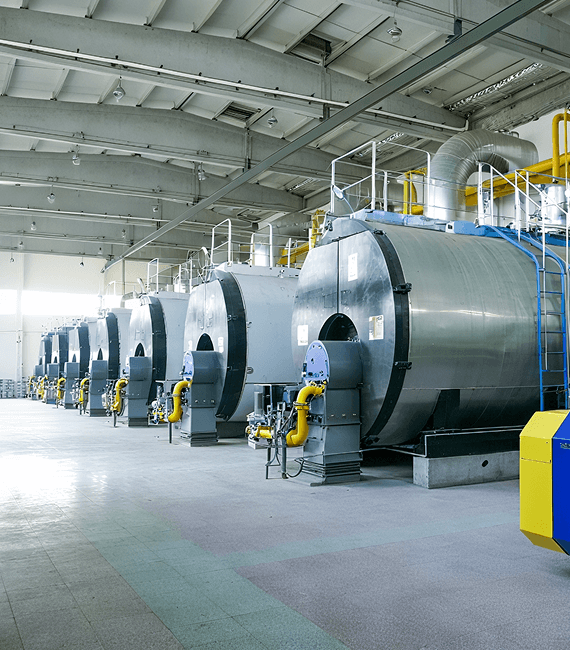

Boiler water circulation is akin to the circulatory system of the human body. It serves as the core mechanism for maintaining the boiler's normal operation. Should this circulation become obstructed, it not only hinders the equipment's proper functioning but may also trigger a series of safety hazards. Prolonged obstruction of boiler water circulation can lead to damage to boiler components, and may even force a shutdown for maintenance, directly impacting production schedules.
Today, from a practical operational perspective, we'll discuss the common causes of poor boiler water circulation, and their corresponding solutions.This will help you avoid these pain points in factory boiler operation.
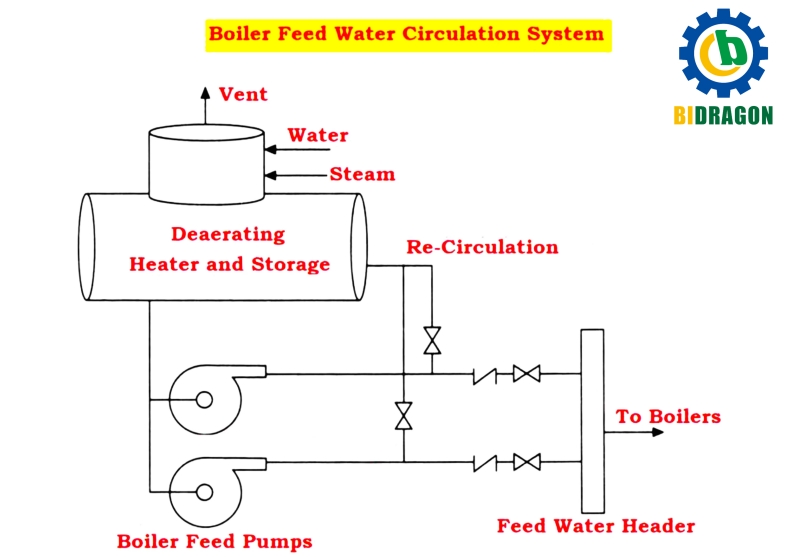
Boiler water circulation refers to the continuous flow of water within a boiler system. By absorbing heat from the furnace, the water transforms into hot water or steam. It is then transported through pipelines to the equipment that needs to be heated. After releasing heat, it returns to the boiler. This completes one cycle.
The fluidity of this circulation directly determines the operational status of the boiler. When circulation is normal, heat is distributed uniformly, allowing the boiler to generate a stable energy output that meets production or heating demands.
Conversely, if issues arise with the circulation, heat cannot be dissipated in a timely manner. This not only diminishes the boiler's heating efficiency but also subjects specific components to prolonged exposure to high temperatures, thereby creating latent risks of equipment damage.
The repercussions of poor water circulation extend far beyond the simple failure to generate sufficient heat. Such issues trigger a chain reaction that can significantly disrupt a company's operations.
The most immediate consequence is reduced efficiency. Sluggish water circulation hinders timely heat transfer, forcing the boiler to consume increased amounts of fuel to achieve the desired heating output. This means businesses will have to pay more for fuel. In the long run, this will amount to a significant expense.
A secondary consequence is equipment damage. The internal components of the boiler, such as the tube walls and tube bundles, need to be cooled by flowing water. If water circulation is impaired, these components remain in a state of prolonged overheating. Over time, this leads to deformation, corrosion, and even rupture.
Of even greater concern are the inherent safety hazards. Poor water circulation can cause abnormal pressure fluctuations within the system. Excessive pressure levels may trigger boiler leaks; in severe cases, this can even result in an explosion, thereby endangering both personnel and equipment.
Furthermore, once equipment damage occurs, the subsequent repairs and component replacements require significant investments of both time and money. During the resulting downtime for maintenance, production is halted, leading to additional economic losses.
The water pump serves as the "power source" for the boiler's water circulation system. If the water pump malfunctions, the water circulation will lose its power and naturally cannot operate smoothly. There are many common problems with water pumps, such as internal impeller wear, bearing damage, or inadequate routine maintenance. These can lead to scale buildup and blockages in the water pump. All these issues result in a reduction in the pump's output power and insufficient flow rate.
When the water pump's flow rate is insufficient, the velocity of water flow within the system slows down. Consequently, heat cannot be dissipated in a timely manner, which in turn compromises the boiler's overall efficiency.
The key to resolving this issue lies in regular inspections. It is essential to closely monitor the operating status of the water pump during daily operations. Should any anomalies be detected, the system must be shut down immediately for inspection, and any worn components replaced promptly. Furthermore, if the existing water pump lacks sufficient power, upgrading to a more powerful unit should be considered to ensure that the boiler's water circulation requirements are fully met.
Piping serves as the "channel" for water circulation. If these channels are obstructed, the water circulation system will naturally be compromised. Pipe blockage and scaling are common issues encountered in many boiler systems.
The primary cause of pipe blockage is the long-term accumulation of sediment within the water. If the boiler uses poor-quality water, impurities and sediment in the water will flow with the water. These substances gradually adhere to the inner walls of the pipes, eventually leading to blockages over time.
Scaling, conversely, is caused by excessive mineral content in the water. During the heating process, minerals precipitate out of the water and adhere to the inner pipe surfaces, forming a layer of hard scale. This scale not only reduces the internal diameter of the pipes but also impedes heat transfer, thereby causing a dual decline in both water circulation and heat exchange efficiency.
The solution is actually quite simple: clean the pipes regularly. Depending on the severity of the scaling, appropriate chemical descaling agents can be utilized to thoroughly remove scale and sediment from the inner pipe walls. Concurrently, proper water treatment measures should be implemented to minimize the entry of impurities into the piping system at the source.
Within a boiler's water circulation system, valves serve to control both the direction and flow rate of the water. Acting essentially as "switches," they regulate the distribution of water flow throughout the entire system.
If the valve malfunctions, such as a damaged valve core, a poor seal, or improper adjustment, it will lead to uneven water flow distribution. Consequently, water may flow too rapidly through some pipes while moving too slowly through others, or the flow may even cease entirely in certain sections. Such conditions directly compromise the stability of the water circulation system and can lead to localized overheating within the boiler. Regularly check the operating status of valves and repair or replace them promptly if problems such as valve jamming or leakage are found.
At the same time, the valve opening should be properly adjusted according to the boiler's operating load to ensure uniform water flow distribution and meet water circulation requirements.
In some instances, poor water circulation within a boiler is not the result of improper operation during the service life, but rather stems from inherent flaws in the system's original design. For example, improper pipe layout or excessively long pipes can increase water flow resistance. Or, improper design of the circulation loop may lead to uneven water flow distribution, with some areas experiencing excessively slow water flow. Common signs of design flaws are obvious, such as unstable pressure during boiler operation, fluctuating between high and low levels, or significant temperature differences between different areas, indicating uneven water flow distribution.
Resolving these issues necessitates a professional engineering analysis. It is advisable to engage qualified specialists to conduct a comprehensive audit of the boiler system. Identify areas where the design is flawed and improve water circulation efficiency by optimizing pipe layout and adjusting circulation loops.
Water quality is one of the key factors influencing boiler water circulation. The root cause of many water circulation problems lies in the quality of the water itself.
There are many types of pollutants in water, such as minerals, oil, and debris. These contaminants not only lead to scaling and blockages within the piping but also corrode the pipes and boiler components, thereby compromising the system's integrity and flow efficiency.
Excessive concentrations of calcium and magnesium ions in the water result in the formation of scale. If oil enters the system, it adheres to the inner walls of the pipes, impeding water flow and heat exchange. Debris, meanwhile, can directly clog the piping.
The most effective method for resolving water quality issues is to install specialized water treatment equipment. Through processes such as filtration and water softening, impurities and minerals are removed from the water, ensuring that the water entering the boiler meets the required quality standards. Additionally, regular monitoring of water quality is essential to facilitate the timely adjustment of the water treatment regimen.
During the operation of a boiler system, certain gases are generated, such as gases formed by the condensation of air and water vapor. If these gases are not expelled in a timely manner and are allowed to accumulate within the system, they will disrupt the water circulation.
When gases accumulate inside the piping, they occupy a certain volume of space. This narrows the water flow channels and reduces the flow velocity. In severe cases, this can lead to a "gas lock," causing the water flow to cease entirely and resulting in localized overheating within the boiler. This situation is particularly common during boiler startup. If trapped air is not promptly vented, it can impede the proper initiation of the water circulation cycle.
The solution involves installing automatic air vents to ensure that gases within the system are expelled automatically and in a timely fashion. Additionally, during the boiler startup phase, manual venting should be performed to verify that no gas remains accumulated within the system.
Maintaining stable pressure within a boiler system is a prerequisite for smooth water circulation. If pressure fluctuates, the water flow velocity varies accordingly, leading to instability in the circulation loop.
There are many reasons for pressure fluctuations. For example, unstable operation of the water pump, improper valve adjustment, or sudden changes in the boiler's operating load. Any of these scenarios can cause the pressure within the system to oscillate between high and low extremes.
When pressure becomes excessively high, the water flow accelerates, potentially leading to hydraulic shock within the piping. Conversely, when pressure drops too low, the flow rate slows down, which may even result in a complete stagnation of circulation.
To resolve this issue, a pressure stabilizer can be installed to automatically regulate the system pressure, ensuring it remains within an appropriate range. At the same time, adjust the water pumps and valves appropriately to avoid sudden changes in operating load and maintain stable system pressure.
When encountering issues with poor water circulation, there is no need to blindly shut down the system for repairs. Instead, you can follow the steps below to systematically troubleshoot the problem and quickly identify its root cause.
Check the water pump. After starting the boiler, listen for any abnormal noises from the water pump during operation. For example, check for excessive humming, friction sounds, or other unusual noises. Simultaneously, monitor the pump's operating parameters. This helps determine whether the pump is damaged or if the impeller is clogged and requires cleaning.
Pipeline inspection. Examine the appearance of the pipes for any obvious signs of blockage. For pipes prone to scale buildup, open the inspection ports to check the condition of the inner walls; perform regular cleaning to remove scale and sediment deposits.
Water quality testing was conducted. Water samples were collected from the boiler to test the mineral and impurity content. Verify whether the water quality meets the required standards. If the water quality is substandard, promptly adjust the water treatment regimen.
Check the boiler's pressure and temperature. Observe the readings on the pressure gauge and thermometer to see if they are stable within a reasonable range. Significant fluctuations in pressure or temperature may indicate underlying issues with the valves or the water pump.
Observe the circulation effect. Judge whether the water circulation is smooth by measuring the boiler's heating efficiency. If heating efficiency drops significantly, or if the boiler experiences localized overheating, it indicates a problem with the water circulation system, requiring further investigation.
Rather than waiting for problems to arise before undertaking repairs, it is far more effective to prioritize routine maintenance, thereby preventing issues with water circulation at the source.
The core principle is to ensure unimpeded water flow through diligent, periodic maintenance. A detailed maintenance plan should be established, including a simple weekly inspection of the water pumps, valves, and piping to check for any anomalies.
The piping should be cleaned monthly to remove internal scale buildup and impurities. Inspect the water pump components quarterly and replace worn parts promptly.
Water quality management must not be overlooked either. Water quality should be tested regularly, and the filter elements in water treatment equipment replaced in a timely manner to ensure that the water entering the boiler meets the required standards. Avoid introducing untreated tap water directly into the boiler to minimize the risk of scaling and blockages.
Furthermore, operators must be thoroughly familiar with the boiler's operating parameters. Valves and system loads should be adjusted judiciously to prevent drastic fluctuations in pressure and temperature, thereby maintaining overall system stability.
Water circulation issues typically present several distinct early warning signs. By detecting these signs promptly, it is possible to prevent the problems from escalating, thereby minimizing equipment damage and financial losses.
The most common indicator is inefficient heating. For instance, the boiler's heat output may drop significantly despite consistent fuel consumption, or the time required to reach the target temperature may increase substantially.
Another key sign is abnormal operating noise. If an abnormal humming, knocking, or rubbing sound occurs while the boiler is running, it may be caused by a water pump malfunction, pipe blockage, or gas accumulation.
Pressure-related issues are also a concern. Fluctuating pressure gauge readings or frequent pressure alarms indicate potential issues with water circulation, leading to unstable system pressure.
Furthermore, localized overheating within the boiler, or physical issues such as leaks and deformation in the piping, can also serve as signals of poor water circulation. By identifying these signs early and addressing them in a timely manner, one can effectively prevent more severe equipment damage.
The unimpeded flow of the boiler water circulation system directly impacts the boiler's operational efficiency, equipment lifespan, and operational safety. For enterprises, maintaining a normal water circulation flow not only reduces energy consumption and maintenance costs but also ensures the stability of production operations.
It is essential to prioritize the maintenance of the boiler water circulation system, cultivate a routine of regular inspections, and promptly identify and resolve any issues that arise. Only in this way can the boiler be kept in an optimal operating state, thereby providing a reliable guarantee for the enterprise's production activities.