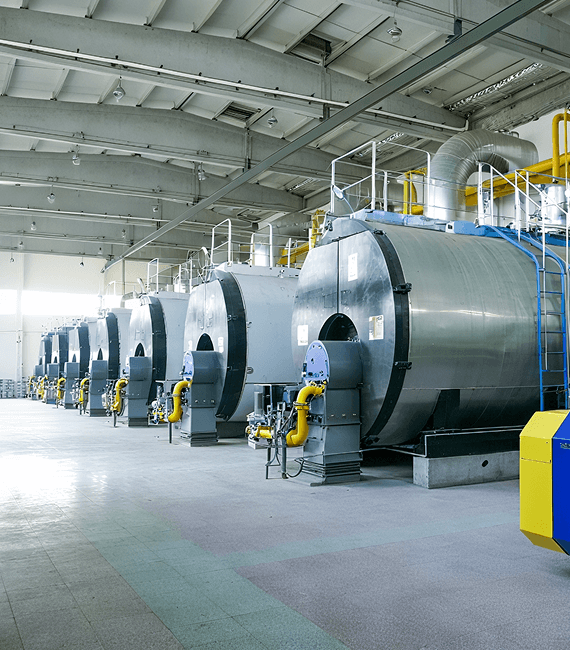

Industrial steam boilers serve as the operational core for production across numerous sectors, including textiles, food processing, chemicals, power generation, and pharmaceuticals. As both a heat source and a motive medium, steam supports a wide array of critical manufacturing processes. The varying demands of different industries—specifically regarding steam parameters and quality—directly influence both the selection of a boiler and its corresponding price. Many clients are puzzled as to why industrial steam boilers with seemingly similar specifications can exhibit such vast price disparities. Taking a 10-ton-per-hour (10 TPH) boiler as an example, quoted prices can vary by a factor of three to five. This is not a result of arbitrary pricing by vendors; rather, the fundamental reason is that the price of an industrial steam boiler is not a fixed value. Instead, it is collectively determined by a multitude of engineering variables—such as operating pressure, fuel type, construction materials, and environmental compliance requirements. Consequently, even if two boilers share the exact same steam generation capacity, their actual costs can differ dramatically.
When calculating boiler costs, there is a core formula that allows for a quick and logical breakdown of the pricing structure—one that is well worth remembering: Boiler Cost = Capacity × Pressure Coefficient × Fuel Complexity Factor × Compliance Grade.
While this formula may appear simple, it encapsulates the four primary variables that dictate the final price. Even minor adjustments to any one of these variables can directly impact the final quotation. For instance, consider two 10 TPH boilers: if the operating pressure is increased from 10 bar to 30 bar, the "Pressure Coefficient" effectively doubles, resulting in a substantial increase in the overall cost.
The total project cost for a boiler system is primarily segmented into three distinct categories. While the specific proportions may fluctuate slightly depending on the unique circumstances of each project, the general range of these cost components remains relatively consistent.
The Boiler Body: The boiler body constitutes the core component of the system, accounting for 40% to 60% of the total project cost. This category encompasses the essential structural elements—such as the furnace, steam drum, and heating surfaces—serving as the boiler's "torso." The specific materials used in its construction and the manufacturing processes employed directly determine the boiler's durability and operational stability.
Auxiliary Systems: Auxiliary systems account for 20% to 40% of the total cost. This category includes vital subsystems such as the feedwater supply, circulation, blowdown, and fuel handling systems—collectively serving as the boiler's "limbs." Without these auxiliary systems, the boiler would be unable to function properly. In certain instances—such as in chemical industry projects located in Inner Mongolia—the cost of these auxiliary systems can, at times, approach or even rival the cost of the boiler body itself.
Installation and Engineering: Installation and engineering costs typically account for 10% to 30% of the total project cost, encompassing expenses for on-site installation, commissioning, civil works, hoisting, and related activities. Many clients tend to overlook this component—particularly in the case of large-scale boilers—where installation and civil engineering costs frequently exceed initial expectations.
A crucial point must be emphasized here: Total Project Cost ≠ Boiler Price. Many clients initially calculate only the cost of the boiler unit itself, neglecting the associated auxiliary systems and installation engineering; consequently, their actual expenditure ultimately exceeds their budget by more than 20%. This is a critical factor that demands close attention.
The evaporation rate is the most fundamental parameter of a boiler; it refers to the quantity of steam the boiler is capable of generating per hour. The standard units of measurement are typically tons per hour (TPH) or kilograms per hour (kg/h). Simply put, the evaporation rate determines the boiler's "output"—that is, the scale of production demand it is capable of satisfying.
|
Capacity Range (TPH) |
Typical Application Scenarios |
Industry Adaptation |
|
0.5–2 |
Small processing plants, laboratories, small-scale heating |
Small food workshops, small pharmaceutical plants, laboratory R&D |
|
2–10 |
Medium production workshops, medium-scale heating, food processing |
Textile mills, medium-sized food factories, small chemical plants |
|
10–35 |
Large production bases, chemical production lines, district heating |
Large chemical plants, pharmaceutical factories, large textile industrial parks |
|
35 and above |
Power plants, large chemical industrial parks, centralized heating |
Thermal power generation, large-scale coal chemical industry, urban centralized heating |
Many clients mistakenly assume that if the evaporation rate doubles, the price of the boiler will also double; however, this is not the case. The relationship between evaporation rate and cost is one of non-linear growth: the larger the scale, the faster the rate at which costs increase.
This is because, as boiler capacity increases, the required heating surface area must expand significantly to meet the demand for greater steam generation. Simultaneously, the consumption of steel materials rises exponentially; after all, components such as the boiler drum and piping must be made larger in diameter and thicker in wall section. More importantly, structural complexity increases significantly—while small boilers typically utilize a fire-tube design (characterized by structural simplicity), large boilers with capacities exceeding 35 TPH predominantly employ a water-tube design, which entails a substantial increase in both design and manufacturing complexity.
From the perspective of engineering practice, an increase in evaporation capacity results in sub-exponential cost growth rather than linear scaling. This principle is illustrated by the fact that while a 10 TPH boiler might be priced at $14.29, a 20 TPH boiler would likely cost $40.00—or even more—rather than simply $28.57. Therefore, when selecting a capacity, in addition to matching current steam demand, it is customary to incorporate a reserve margin of 10% to 20% to accommodate future production expansion or short-term peak demand.
Based on operating pressure, industrial steam boilers are primarily categorized into four classes: Low Pressure, Medium Pressure, High Pressure, and Supercritical. Boilers within these different classes vary significantly in terms of their applicable scenarios and associated costs.
Low-pressure boilers are typically utilized in residential or small-scale industrial settings, operating at pressures below 2.5 MPa; they predominantly feature a fire-tube design, characterized by structural simplicity and lower costs. Medium-pressure boilers operate within a pressure range of 2.5 to 5.3 MPa and are suitable for medium-sized chemical and textile enterprises. High-pressure boilers operate between 5.3 and 9.8 MPa and are primarily deployed in large-scale chemical and power generation industries. Supercritical boilers operate at pressures exceeding 22.1 MPa and are exclusively utilized in large-scale power plants.
The higher the operating pressure, the higher the cost of the boiler; there are three core reasons for this correlation. First, increased wall thickness: As pressure rises, the demands on the pressure-bearing capacity of the boiler drum and piping become more stringent. Consequently, wall thickness must be increased to ensure safety; however, this directly results in higher steel consumption and increased manufacturing costs.
Second, material upgrades: Low-pressure boilers can utilize standard carbon steel, whereas medium-to-high-pressure boilers require the use of high-temperature and high-pressure resistant materials—such as chromium-molybdenum (Cr-Mo) alloys—the cost of which is significantly higher than that of standard carbon steel. Third, elevated welding and inspection requirements: The welding processes for high-pressure boilers are more complex, necessitating specialized welding techniques and equipment. Furthermore, post-weld inspection standards are more rigorous, requiring non-destructive testing to detect and prevent welding defects; these measures inevitably drive up labor and equipment costs.
An increase in pressure not only drives up costs but can also trigger a fundamental shift in boiler design philosophy. There are three critical thresholds that warrant particular attention:
When the pressure reaches approximately 30 bar (approx. 2.94 MPa), the structural integrity of a fire-tube boiler is no longer sufficient to withstand the high pressure, necessitating a transition to a water-tube boiler design. Fire-tube boilers feature a simple structure and large water capacity, making them suitable for low-pressure operating conditions; conversely, water-tube boilers offer flexible heating surface arrangements and superior heat transfer performance—enabling them to meet high-pressure demands—though they entail greater structural complexity and higher costs.
When the pressure reaches approximately 60 bar (approx. 5.88 MPa), standard chromium-molybdenum alloys are no longer adequate to meet the requirements, necessitating a further material upgrade to higher-performance alloy grades. Furthermore, when the pressure exceeds 100 bar (approx. 9.8 MPa), the adoption of high-alloy material systems becomes mandatory; this results in a substantial surge in material costs and elevates the complexity of both design and manufacturing to an entirely new level.
Thus, an increase in pressure sometimes entails more than just a rise in costs; it can fundamentally transform the underlying design philosophy of the boiler. We once encountered a project where increasing the pressure from 25 bar to 35 bar necessitated a shift in boiler design from a fire-tube to a water-tube configuration, resulting in a direct cost increase of 40%.
This constitutes one of the most critical factors influencing boiler pricing; depending on the type of fuel utilized, the cost differential between boilers can vary by several orders of magnitude. Indeed, a significant portion of the budget discrepancies experienced by many clients stems from this specific stage of the planning process.
|
Fuel Type |
Combustion Characteristics |
Applicable Scenarios |
Cost Characteristics |
|
Natural Gas |
Clean combustion, high efficiency, low pollution |
Urban industry, food, pharmaceutical, chemical industries |
Medium equipment cost, stable operating cost |
|
Fuel Oil (Diesel/Heavy Oil) |
Stable combustion, high calorific value |
Small factories without natural gas supply, backup boilers |
Equipment cost similar to gas, high operating cost |
|
Coal |
High calorific value, readily available fuel |
Large chemical plants, power plants, resource-rich regions |
Low equipment cost, high environmental compliance cost |
|
Biomass (Straw/Wood Chips) |
Environmentally friendly, renewable, low fuel cost |
Agricultural regions, areas with strict environmental requirements |
High equipment cost, low operating cost |
The impact of fuel on boiler costs extends beyond the combustion system itself; rather, it is categorized into three distinct tiers. We can summarize this relationship using the following formula: Fuel Impact = Combustion System + Fuel Handling + Emissions Control. These three tiers carry varying cost weightings and collectively determine the overall impact of the fuel type on total costs.
|
System |
Cost Impact |
Specific Description |
|
Combustion System |
Medium |
Mainly includes burners, furnace, etc. Different fuels require different burner designs, resulting in medium cost variation. Gas burners are slightly more expensive than coal burners, but the difference is not significant. |
|
Fuel Handling |
High |
Coal and biomass require crushing, conveying, and storage equipment, resulting in high costs. Natural gas and fuel oil only require pipeline transportation, with low handling costs. |
|
Emission Control |
Extremely High |
Coal and biomass combustion generate large amounts of NOx, SO₂, and particulate matter, necessitating the installation of complex denitrification, desulfurization, and dust removal equipment. Gas combustion has low pollution, resulting in low emission control system costs. |
Based on actual project experience, the cost difference between gas-fired boilers and oil-fired boilers is relatively minor. The primary disparity lies in operating costs—since the unit price of fuel oil is higher than that of natural gas, oil-fired boilers prove to be more expensive to operate over the long term.
However, the cost difference between gas-fired boilers and those powered by biomass or coal is significant. Taking a 10-ton boiler as an example: the fuel cost for a coal-fired boiler is approximately $22.86 per ton of steam, while that for a gas-fired boiler is about $21.71 per ton of steam; in contrast, the fuel cost for a biomass boiler is only $10.67 per GJ—far lower than the $18.68 per GJ for a gas-fired boiler.
The fundamental reason for this disparity lies in the differing costs associated with fuel processing and emissions control. Coal and biomass require complex processing systems and environmental protection equipment, whereas these two cost components are very low for gas-fired boilers. Consequently, the type of fuel selected often acts as the single largest cost multiplier in boiler projects; choosing a different fuel source can potentially cause the total project cost to vary by more than twofold.
The selection of materials for a boiler directly impacts its service life and operational safety, while also significantly influencing overall costs. Different operating conditions necessitate the selection of different materials; a one-size-fits-all approach is not applicable.
Under standard operating conditions, the boiler body is typically constructed from carbon steel. This material is cost-effective, meets the operational requirements for low-pressure and low-temperature applications, and is well-suited for use in small-scale industrial facilities. However, if the operating conditions are exceptional or specialized, material upgrades become necessary.
In high-temperature environments—such as the high-temperature reaction processes found in the chemical industry—materials capable of withstanding extreme heat must be employed. Examples include chromium-molybdenum alloys (Cr-Mo), T91 alloy, or Inconel. These materials maintain their structural stability in high-temperature settings, preventing issues such as deformation or corrosion; however, their cost is substantially higher than that of standard carbon steel.
If a boiler is to operate in a corrosive environment—such as when processing sulfur-containing fuels or in applications like seawater desalination—the use of stainless steel or specialized alloys is required to prevent corrosion and potential leakage in the boiler tubes and drums. For instance, in a project involving a 60-bar high-pressure boiler, we selected T91 material; the cost of this material alone was 2.5 times higher than that of standard carbon steel. A critical point to note here is that under high-pressure and high-temperature operating conditions, material costs can increase two- to threefold; this is one of the primary reasons why the price of high-pressure boilers remains consistently high. When selecting materials, it is essential to strike a balance between meeting operational requirements and managing costs, thereby avoiding waste caused by over-specification.
The automation and control system serves as the "brain" of the boiler, responsible for regulating operational parameters and ensuring stable, safe operation. Boilers featuring different levels of automation vary significantly in cost—a factor that directly impacts subsequent operational efficiency and labor expenses.
|
Automation Level |
Control Method |
Applicable Scenarios |
Characteristics |
|
Basic |
Manual control + simple instrument monitoring |
Small low-pressure boilers, intermittent operation scenarios |
Low cost, requires dedicated operator, complicated operation |
|
Intermediate |
Semi-automatic control, automatic adjustment of key parameters |
Medium-sized boilers, continuous operation scenarios |
Medium cost, reduced labor, stable operation |
|
Advanced |
Fully automatic control, remote monitoring + fault alarm |
Large high-pressure boilers, precision production scenarios |
High cost, no dedicated operator required, high operational efficiency |
The cost of an automated control system varies depending on the boiler's size and level of automation; however, the overall cost range is relatively well-defined. For small-scale boilers (0.5–2 TPH), control system costs typically range from $3,000 to $20,000, primarily covering basic to intermediate-level systems designed to meet simple operational control requirements.
For medium-to-large boilers (exceeding 2 TPH), the control system costs range from $20,000 to $150,000—or even higher—due to the need for more sophisticated regulatory functions, such as multi-parameter interlock control and remote monitoring capabilities. For instance, a 25-ton boiler in a large-scale chemical facility—which requires a Safety Integrity Level (SIL) rating and three-element drum level control—can incur control system costs reaching $80,000.
Advanced automated control systems are equipped with specialized features designed to further enhance operational efficiency and safety; however, the inclusion of these features also increases the overall cost of the control system.
The O₂ trim function allows for real-time adjustment of oxygen levels based on combustion conditions, thereby minimizing fuel waste. This feature is particularly beneficial for gas-fired boilers, where fuel costs tend to be high. Conversely, three-element drum level control enables more precise regulation of the boiler drum water level, preventing excessive fluctuations and ensuring stable boiler operation; this feature is commonly employed in high-pressure boiler systems.
The SIL (Safety Integrity Level) rating serves as a critical safety safeguard for high-risk operating environments. It ensures that in the event of a system malfunction, immediate alarms are triggered and the system is safely shut down, thereby preventing safety-related accidents. This feature is predominantly utilized in industries with exceptionally stringent safety requirements—such as the chemical and power generation sectors—and its implementation can increase the cost of the control system by over 30%.
As environmental regulations become increasingly stringent, emissions and environmental compliance requirements have emerged as significant factors influencing boiler costs. This is particularly true in major metropolitan areas and regions subject to strict environmental oversight, where the cost of environmental protection equipment now accounts for an increasingly larger proportion of the total project cost.
Currently, emissions control for industrial boilers primarily focuses on four major pollutants: nitrogen oxides (NOx), sulfur dioxide (SO₂), particulate matter (PM), and carbon monoxide (CO). Emission standards vary significantly across different regions; for example, the Inner Mongolia region imposes strict requirements on boiler emissions, mandating that NOx levels be maintained below 30 mg/Nm³. Consequently, gas-fired boilers in this region must be retrofitted with low-NOx burners—a requirement that further increases environmental compliance costs. If boiler emissions fail to meet regulatory standards, operators face not only fines but also potential orders to halt production for rectification. Consequently, investment in environmental protection equipment is indispensable and constitutes a mandatory component of the initial project budget.
The cost proportion of environmental protection equipment varies significantly depending on the type of fuel used—a factor closely linked to the fuel emission characteristics discussed earlier.
Gas-fired boilers produce combustion byproducts with relatively low pollutant levels, making environmental treatment less complex. Consequently, environmental protection costs typically account for 5% to 15% of the total project cost, with the primary investment directed toward low-NOx burners designed to control nitrogen oxide (NOx) emissions.
Coal-fired and biomass boilers, conversely, generate combustion byproducts with higher pollutant concentrations, necessitating the installation of sophisticated denitrification, desulfurization, and dust removal systems. As a result, environmental protection costs for these systems can range from 20% to 40% of the total project cost—and in some instances, even higher. For example, in the case of a 35-ton-per-hour (TPH) coal-fired boiler, the cost of environmental protection equipment alone may account for as much as 35% of the total project budget.
There are three common types of environmental treatment systems, each designed to address specific pollutant removal requirements. SCR (Selective Catalytic Reduction) systems are primarily utilized to remove NOx; by employing catalysts to convert NOx into harmless nitrogen gas and water, SCR currently stands as the predominant technology for denitrification.
FGD (Flue Gas Desulfurization) systems are employed to remove sulfur dioxide (SO₂), thereby preventing the formation of acid rain. Depending on the specific process utilized, FGD systems are categorized into wet desulfurization and dry desulfurization methods; while wet desulfurization offers higher removal efficiency, it also entails relatively higher costs.
ESP (Electrostatic Precipitators) and baghouse filters are utilized for the removal of particulate matter. Baghouse filters offer superior dust removal efficiency—achieving rates exceeding 99%—making them particularly suitable for applications subject to stringent environmental regulations. In chemical and food processing projects located within Inner Mongolia, these systems are considered essential components of the required environmental protection infrastructure.
Auxiliary systems constitute an indispensable component of industrial steam boilers, ensuring their proper and continuous operation. Many clients, however, tend to overlook the costs associated with these systems during the planning phase, which often leads to budget overruns later in the project. Auxiliary systems encompass a wide variety of components, and their specific configurations vary depending on the type of boiler in use, as detailed in the table below.
|
Auxiliary System Type |
Core Function |
Cost Share |
|
Feedwater System |
Provides qualified boiler feedwater, removes impurities from water, prevents scaling |
5-10% |
|
Circulation System |
Enables steam and water recycling, improves energy efficiency |
8-15% |
|
Blowdown System |
Discharges wastewater and impurities from the boiler, ensures boiler water quality |
3-5% |
|
Fuel Handling System |
Crushing, conveying, storing fuel (for coal/biomass) |
10-20% |
|
Safety System |
Pressure protection, water level protection, explosion protection |
5-8% |
It is crucial to emphasize this point: the cost of auxiliary systems may equal—or even exceed—the cost of the boiler unit itself. For instance, in the 25-ton boiler project undertaken by Greenbang Environmental Protection in Wuhai City, the auxiliary systems—including the feedwater, circulation, and blowdown systems—approximated the cost of the boiler unit, accounting for 40% of the total equipment cost. In another biomass boiler project, the cost of the fuel-handling equipment within the auxiliary systems actually exceeded the cost of the boiler unit by 10%.
Industrial steam boilers are classified as "special equipment" and must therefore comply with relevant certification and regulatory requirements. Certification requirements vary by region; consequently, these certification and customization demands can add to the overall project cost.
Globally, three certifications are most commonly encountered: ASME (American Society of Mechanical Engineers), EN (European Standards), and IBR (Indian Boiler Regulations). ASME certification is primarily required for projects exporting to North American regions, such as the United States and Canada; EN certification applies to exports to the European Union; and IBR certification is a mandatory prerequisite for exports to India.
The cost of ASME certification varies significantly depending on the specific category. For example, a Category U certification typically incurs a total cost of approximately $25,000 to $35,000, while Category N (Nuclear Components) certification requires an additional filing fee of $5,000. Projects exporting to India require IBR certification—covering expenses such as document review and on-site inspections—which typically accounts for around 15% of the total project cost.
In addition to international certifications, domestic projects must also adhere to local safety regulations governing special equipment, including requirements for third-party inspections and explosion-proofing. Third-party inspections involve professional agencies assessing the boiler's quality and safety performance, with fees varying based on the boiler's size and complexity. Explosion-proofing requirements primarily target industries with inherent risks of flammability or explosivity—such as the chemical and pharmaceutical sectors—necessitating specialized explosion-proof designs, structural modifications, and the installation of explosion-proof equipment.
Based on practical experience, costs associated with compliance and certification typically range from 10% to 30% of the total project cost; this figure tends to be even higher for export projects. For large-scale, high-pressure boilers, an on-site ASME audit requires 4 to 6 days, with daily audit fees ranging from $3,500 to $7,000. When factoring in document review fees and travel expenses, the financial impact of certification costs is indeed a factor that cannot be underestimated.
Installation and project execution costs are often the most easily overlooked components in a client's initial budget—particularly in the case of large-scale industrial steam boilers, where installation costs frequently exceed expectations, sometimes accounting for as much as 30% of the total project cost.
The installation of small boilers (under 2 TPH) is relatively straightforward; it can typically be completed within a few days at a low cost, primarily involving equipment hoisting, pipe connections, and commissioning. However, large boilers (over 10 TPH) present a different challenge: due to their immense size and weight, they cannot be transported as a single unit and must instead be assembled and installed on-site. Consequently, the installation cycle for such systems typically spans one to three months.
Installing large boilers necessitates a specialized installation team and heavy-duty hoisting equipment; the hoisting fees alone can easily exceed 100,000 RMB. We once managed the installation of a 20-ton boiler project where civil engineering works (including the construction of the boiler house) accounted for 60% of the total installation costs, while hoisting fees made up 20%. All these factors must be factored into the budget in advance.
Furthermore, civil engineering costs cannot be overlooked. The construction of the boiler house and the pouring of the foundation must be designed specifically to accommodate the size and weight of the boiler; large boilers require significantly more steel reinforcement and concrete for their foundations, resulting in correspondingly higher costs. Simultaneously, transportation costs require careful consideration; transporting the components of a large boiler necessitates specialized vehicles, and the costs associated with long-distance transport can be substantial.
A word of caution: when calculating the total project cost for a boiler system, it is imperative to incorporate all expenses related to installation, civil engineering, and transportation to prevent budget overruns later in the process.
Using a 10 TPH boiler as our example, we will compare price variations across different fuel types and operating pressures to provide a more intuitive understanding of the core factors that influence pricing.
|
Case |
Fuel Type |
Operating Pressure |
Boiler Equipment Price (USD 10,000) |
Total Project Cost (USD 10,000) |
Reason for Cost Difference |
|
Case 1 |
Natural Gas |
10 bar |
11.43 |
17.14 |
Low pressure, gas fuel, low environmental and fuel handling costs, intermediate automation level |
|
Case 2 |
Natural Gas |
30 bar |
20.00 |
30.00 |
High pressure, design changed from fire-tube to water-tube, material upgraded, increased welding and inspection requirements |
|
Case 3 |
Biomass |
10 bar |
15.71 |
25.71 |
Low pressure, but requires complex fuel handling and environmental protection equipment, resulting in increased costs |
|
Case 4 |
Coal |
10 bar |
8.57 |
21.43 |
Low boiler equipment cost, but high fuel handling and environmental protection equipment costs offset the equipment advantage |
Case Summary
As clearly demonstrated by the cases above, for boilers with the same evaporation capacity (10 TPH), the total project cost can vary by a factor of two to three simply due to differences in fuel type and operating pressure. The total project cost for Case 1 was $171,400, whereas the total project cost for Case 2 reached $300,000—a difference of nearly 100%.
The comparison of fuel costs between the 10-ton coal-fired boiler and the gas-fired boiler is also striking: the fuel cost per ton of steam is approximately $22.86 for the coal-fired boiler and $21.71 for the gas-fired boiler. Based on 2,000 hours of annual operation, the gas-fired boiler offers fuel savings of $5,500; however, its initial equipment cost is approximately 15% higher than that of the coal-fired boiler.
This reinforces our core argument: the price of an industrial steam boiler is not determined solely by its capacity; rather, the fuel type and pressure rating are the critical cost drivers. When selecting a boiler, one must not focus exclusively on capacity and the unit's base price; instead, it is essential to conduct a comprehensive calculation of the total project cost by taking into account specific operating conditions, environmental regulations, and long-term operational expenses.
Drawing upon the preceding cases and analyses, we present a comprehensive summary regarding the impact of different fuel types to facilitate rapid decision-making during the boiler selection process.
Gas-fired Boilers: Ideal for regions with stringent environmental regulations and a stable fuel supply—such as urban industrial zones, as well as the food and pharmaceutical sectors. They feature moderate initial equipment costs, stable operating costs, low environmental compliance costs, and simplified long-term maintenance requirements. Furthermore, they do not necessitate complex fuel handling systems and are well-suited for continuous, long-term operation. For instance, Inner Mongolia Huiliduo Food Co., Ltd. selected gas-fired boilers for its fresh milk deep-processing project, thereby successfully meeting environmental standards while ensuring process stability.
Oil-fired Boilers: Suitable for small-scale manufacturing facilities lacking access to a natural gas supply, or for use as backup boiler systems. While their initial equipment costs are comparable to those of gas-fired boilers, their operating costs are higher due to the higher unit price of fuel oil compared to natural gas. Additionally, their emission levels are slightly higher than those of gas-fired boilers, necessitating basic environmental treatment measures; consequently, they are best suited for intermittent operation or emergency standby use.
Coal-fired Boilers: Appropriate for regions with abundant coal resources and less stringent environmental regulations—such as large-scale chemical plants and power generation facilities. Initial equipment costs are the lowest; however, expenses for fuel handling and environmental control systems are high. Furthermore, long-term maintenance is cumbersome, and there is a risk of mandatory environmental compliance upgrades. Consequently, these systems are currently being gradually replaced by gas-fired and biomass boilers.
Biomass Boilers: Suitable for agricultural production zones and regions with stringent environmental regulations. While initial equipment costs are high—necessitating complex fuel handling and environmental control systems—fuel costs are low. Moreover, as they utilize renewable energy sources, they align with environmental policies. Over the long term, they offer excellent cost-effectiveness and are well-suited for enterprises with a reliable and abundant supply of fuel.
|
Operating Pressure (bar) |
Cost Factor (10 bar = 1) |
Design Type |
Material Type |
|
10 |
1.0 |
Fire-tube boiler |
Carbon steel |
|
30 |
1.8–2.2 |
Water-tube boiler |
Cr-Mo alloy |
|
60 |
2.5–3.0 |
High-pressure water-tube boiler |
Advanced Cr-Mo alloy |
|
100 |
3.5–4.5 |
Ultra-high pressure water-tube boiler |
High-alloy system |
As illustrated by the pressure-cost curve, the rate of cost escalation accelerates once pressure exceeds 30 bar. This is primarily because the design shifts from a fire-tube configuration to a water-tube configuration, resulting in significantly higher requirements for materials and manufacturing processes. With every incremental increase in pressure level, the cost coefficient rises substantially; notably, once the pressure surpasses 60 bar, the cost nearly doubles.
Let us examine a comprehensive case study involving a 20 TPH boiler to compare the cost differentials between two fuel types—natural gas and biomass—thereby facilitating a better understanding of the impact of fuel selection.
20 TPH Gas-Fired Boiler: The cost of the boiler body is approximately $257,100; auxiliary systems (feedwater, circulation, low-NOx burner) amount to about $102,900; installation and civil works cost approximately $77,100; and certification and compliance fees total about $51,400. The total project cost is approximately $488,500.
20 TPH Biomass Boiler: The cost of the boiler body is approximately $314,300; auxiliary systems (fuel handling, feedwater, circulation, environmental control equipment) amount to about $188,600; installation and civil works cost approximately $94,300; and certification and compliance fees total about $62,900. The total project cost is approximately $659,900.
The cost disparity between the two systems stems primarily from three factors: First, the boiler body itself is more expensive for the biomass unit, as it requires specific design adaptations to accommodate the combustion characteristics of biomass fuel. Second, regarding auxiliary systems, the costs associated with fuel handling and environmental control equipment for biomass boilers are significantly higher than those for gas-fired boilers. Third, in terms of operating costs, the fuel cost for a biomass boiler is 40% lower than that of a gas-fired boiler, making it the more cost-effective option over the long term.
This case study demonstrates that when selecting a fuel type, one must not focus solely on the initial equipment cost; rather, a comprehensive assessment of the cost-effectiveness—taking into account long-term operating costs and environmental regulatory requirements—is essential.
Synthesizing all the preceding analyses, we have compiled a comprehensive total cost model for industrial steam boilers. This model is presented in a tabular format to clearly illustrate the cost proportion of each component, thereby facilitating budget planning and calculation.
|
Cost Category |
Cost Share Range |
Core Components |
Influencing Factors |
|
Equipment Cost (Boiler Proper) |
40-60% |
Drum, heating surface, burner, furnace |
Capacity, pressure, fuel, material |
|
Auxiliary System Cost |
20-40% |
Feedwater, circulation, fuel handling, environmental protection equipment |
Fuel type, environmental requirements |
|
Installation & Engineering Cost |
10-30% |