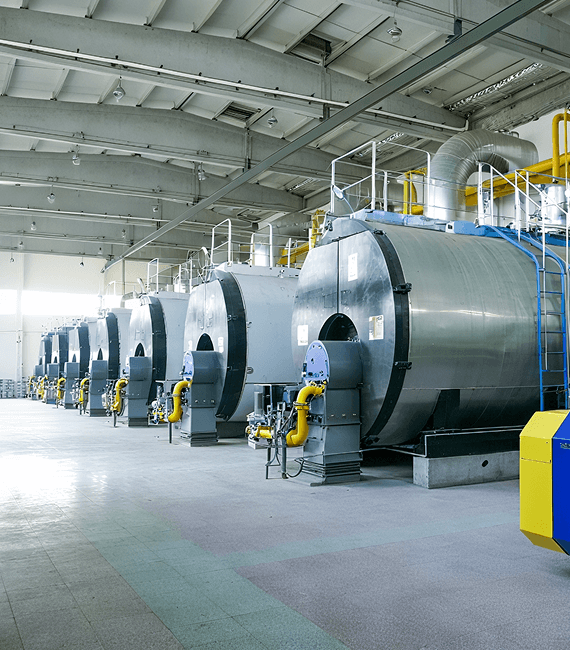

A set of standardized start/stop operation procedures for industrial boilers can effectively avoid safety accidents and allow equipment to operate stably while meeting industry regulatory requirements. Safety is the primary premise of boiler operation, and non-standardized start-stop operation may cause serious consequences such as explosion, fire or equipment damage.
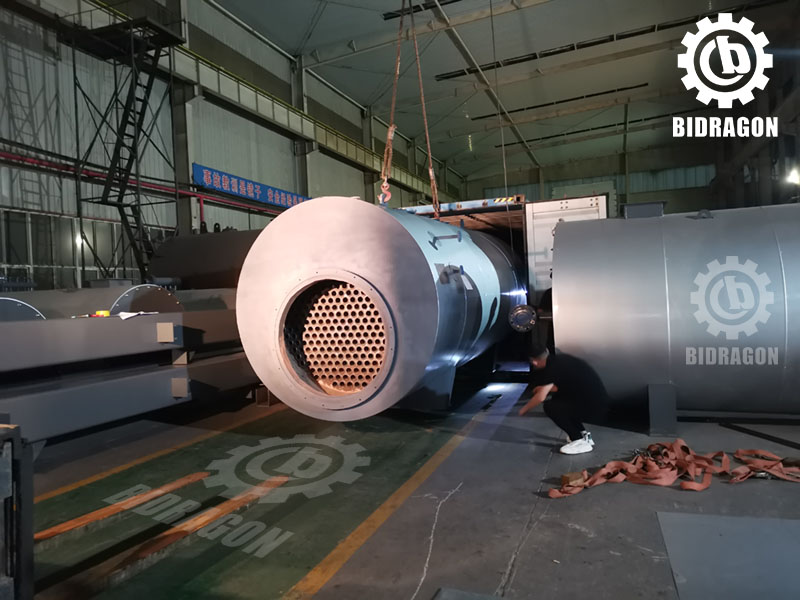
Industrial boiler startup is the process in which the boiler starts from the shutdown state, goes through a series of steps such as checking, ventilating, igniting, and warming up, and finally reaches the normal operating state that meets the production requirements. Industrial boiler shutdown, on the other hand, is the normal operation of the boiler, gradually reduce the load, stop combustion, temperature and pressure reduction, and ultimately safe into the shutdown state of the process. These two links throughout the entire life cycle of boiler operation, each step of the operation needs to strictly follow the norms, can not be operated arbitrarily.
It is necessary to clarify the operational boundaries of the standard process. The start-up process begins when the boiler is shut down and continues until the boiler reaches its rated operating parameters and enters a stable operating state. The shutdown process starts from the decision to shut down until the boiler is completely cooled down, the pressure is reduced to atmospheric pressure, and all relevant systems are shut down.
Safety is the core objective of the standard operating procedures for industrial boiler startup and shutdown, and all operating steps are designed to ensure personnel safety and equipment safety. Any operation that may affect safety must be strictly limited or prohibited, and all potential safety hazards must be thoroughly investigated and eliminated before starting the operation.
Violation of the start-stop operation procedure will bring great safety risks. Improper pressure control during startup leads to overpressure, which may trigger a boiler explosion, causing serious injuries and property damage. Cooling down too quickly when stopping the boiler will bring thermal stress damage to the boiler pressure-bearing parts, shorten the service life of the boiler, and even directly lead to equipment failure. Ignition without adequate ventilation will allow combustible gases to accumulate in the furnace chamber, which can lead to a deflagration accident. These risks will not only disrupt normal production order, but also cause huge economic losses to the enterprise.
To ensure the safety of start-stop operation, the boiler's interlocking protection system must remain intact and available. When there is an abnormal situation such as ultra-high pressure, ultra-low water level, flame failure, etc., the interlock protection system can automatically cut off the fuel supply, stop the operation of the relevant equipment and issue an alarm to effectively prevent the expansion of risk. The alarm system needs to be sensitive and reliable, and in case of parameter abnormality or equipment failure, it can send out clear alarm signals in time, so that the operators can take the first time to take countermeasures. At the same time, operators have the important responsibility to be professionally trained, skilled in the standard procedures and emergency handling methods, and strictly follow the operational requirements without changing the operational steps without authorization.
A comprehensive and meticulous inspection before starting an industrial boiler is crucial for ensuring safe startup. Water level inspection is paramount; the boiler water level must be maintained between the normal and high water levels, typically controlled at 50% to 70% of the water level gauge reading. Water quality must also meet specified standards; hardness, pH value, and other indicators must be controlled within allowable ranges to prevent scaling and corrosion inside the boiler.
The fuel system inspection covers fuel storage, pipelines, and valves. For gas-fired boilers, check for leaks in the gas pipelines; the gas pipeline pressure must be maintained within the safe operating range of 0.1 to 0.15 MPa. For oil-fired boilers, check if the oil tank level is sufficient, if the oil pump is operating normally, and if the oil filter is clear. Any abnormalities must be thoroughly addressed before starting the boiler.
The electrical system inspection mainly targets components such as the power supply, control cabinet, and motors. The power supply voltage must be stable, with fluctuations not exceeding ±10%, to prevent voltage instability from damaging electrical equipment or affecting control accuracy. The wiring connections within the control cabinet must be secure, without loosening or aging. All switches and indicator lights must function properly to ensure accurate transmission of operating commands. Motors must operate without abnormal noise or excessive heat, and their insulation performance must meet requirements to prevent electrical faults from affecting normal start-up and shutdown operations.
Safety accessory checks are equally essential. Core safety accessories such as safety valves, pressure gauges, and water level gauges must be within their calibration validity period to ensure reliable performance. Safety valves must automatically release pressure when the boiler is overpressured, pressure gauges must accurately display the internal pressure of the boiler, and water level gauges must clearly reflect the water level. The proper functioning of these accessories is a crucial barrier to ensuring safe startup. Only after all checks are completed and no abnormalities are confirmed can subsequent startup steps be performed.
The first step in starting an industrial boiler is furnace ventilation and purging, a critical step in preventing deflagration accidents. Start the ventilation equipment to thoroughly purge the furnace and flue, typically for at least 5 minutes, to ensure that any remaining combustible gases in the furnace are completely removed. During purging, check the ventilation system to ensure sufficient airflow, smooth airflow, and no blockages or leaks.
After purging, proceed to ignition and combustion stabilization. Start the ignition device according to operating procedures. After igniting the fuel, closely observe the flame to ensure it is stable, of normal color, and free from flameout or backfire. For gas-fired boilers, carefully control the gas supply during ignition to avoid excessive gas accumulation; for oil-fired boilers, control the fuel atomization to ensure complete combustion. After successful ignition, maintain a low flame for a period to allow the furnace and boiler heating surfaces to gradually heat up, avoiding sudden temperature increases that could generate thermal stress.
Once the flame stabilizes, begin controlled pressure and temperature increases. This process must be slow. The pressure increase rate is typically controlled at 0.05 to 0.1 MPa per minute, and the temperature increase rate at 5 to 10 degrees Celsius per minute. Specific rates need to be adjusted based on the boiler model and material. During the pressure and temperature increase process, the pressure gauge and thermometer readings must be continuously monitored, and the fuel supply and ventilation volume adjusted promptly to ensure a smooth increase in parameters and avoid sudden increases or decreases in pressure or temperature. Once the pressure and temperature reach their rated values and all parameters have been operating stably for a period of time, the boiler startup is complete and it can be switched to normal operation.
Before shutting down an industrial boiler, the load must be gradually reduced; sudden load cutoff is not allowed. Based on production needs, slowly reduce the fuel supply and ventilation volume, gradually lowering the boiler's pressure and temperature, allowing the boiler to smoothly transition from rated operation to low-load operation. During load reduction, all parameters must be continuously monitored to ensure a smooth decrease in pressure and temperature, avoiding excessive parameter fluctuations that could damage the equipment.
After the load has been reduced to the specified range, the fuel supply should be cut off, and it should be confirmed that the flame in the furnace is completely extinguished. After cutting off fuel, ventilation should not be stopped immediately; ventilation should continue for a period of time to expel residual fuel and flue gas from the furnace, reduce the furnace temperature, and prevent spontaneous combustion of residual fuel that could lead to a safety accident.
After ventilation is completed, the boiler enters the natural cooling phase following shutdown. Forced cooling is prohibited to avoid thermal stress caused by a sudden temperature drop. During natural cooling, the boiler water level and pressure must be checked, and water should be added promptly to maintain a normal water level and prevent the boiler from running dry. The cooling time is usually no less than 24 hours, until the boiler temperature drops to near ambient temperature and the pressure drops to atmospheric pressure; only then is the shutdown process considered complete.
When specific abnormal situations occur, the emergency shutdown procedure must be initiated immediately to prevent the accident from escalating. Abnormal water level is a common triggering condition; whether the water level is too low or too high, an emergency shutdown is required. Overpressure also requires an emergency shutdown. When the boiler pressure exceeds the rated pressure by 10% and the safety valve cannot release pressure normally, emergency shutdown measures must be taken immediately.
Flameout and fuel leakage are also important triggering conditions for emergency shutdown. If the boiler is not shut down in time after a sudden flameout, fuel accumulation may occur, leading to a deflagration accident. Fuel leaks can cause flammable gases or fuel oil to accumulate, posing a fire and explosion risk, necessitating immediate boiler shutdown. Additionally, damage to pressure-bearing components or electrical system malfunctions leading to uncontrollable conditions also require initiating emergency shutdown procedures.
During an emergency shutdown, mandatory safety measures must be followed, prioritizing personnel safety and preventing the accident from escalating. First, immediately cut off the fuel supply and stop fuel delivery to prevent further fuel entry into the furnace. Simultaneously, stop ventilation equipment and close ventilation valves to prevent air from entering the furnace and burning residual fuel. For pressurized boilers, slowly open pressure relief valves to gradually reduce boiler pressure; rapid pressure reduction should be avoided to prevent equipment damage from sudden pressure drops.
After an emergency shutdown, the cause of the abnormality must be promptly investigated and addressed before restarting the boiler. Emergency shutdowns result in production interruption and some economic loss, but they effectively prevent the accident from escalating and reduce the risk of further casualties and equipment damage.
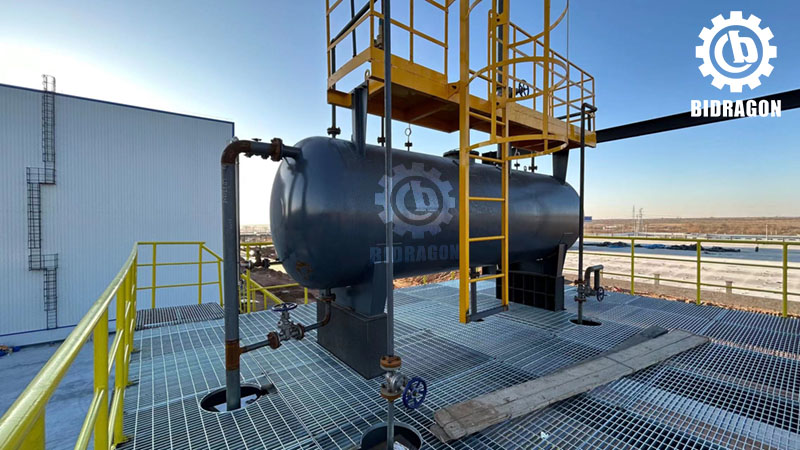
Pressure, temperature and water level are the core parameters to be monitored during startup and shutdown of boilers, which are directly related to operational safety and equipment stability. Pressure monitoring needs to cover the boiler drum pressure, furnace pressure and fuel piping pressure, the drum pressure needs to be controlled within the rated pressure range, fluctuations of no more than ± 0.05 MPa, the furnace pressure is usually maintained in a slightly negative state, to avoid the positive pressure leads to flue gas leakage or negative pressure is too large to damage the furnace.
Temperature monitoring mainly includes the furnace chamber temperature, steam drum temperature and exhaust temperature. Furnace temperature should be controlled in a reasonable range according to the fuel type and boiler model, so as to avoid damage to the refractory material of the furnace chamber caused by too high a temperature or insufficient combustion caused by too low a temperature. Tank temperature should be controlled in conjunction with the pressure to ensure that the temperature varies smoothly with the pressure and to avoid thermal stress caused by too large a temperature difference. Exhaust temperature is usually controlled at 120 to 180 degrees Celsius, too high will increase energy consumption, too low may lead to flue gas condensation, corrosion of the flue and chimney.
Combustion status is also important to monitor the content, you need to observe the flame color, shape and stability, to determine whether the combustion is sufficient. When combustion is sufficient, the flame is light blue (gas boiler) or orange (oil boiler), the shape is stable, no obvious black or yellow smoke.
Ignoring the blowing or checking step is one of the most common errors in startup and shutdown operations. Some operators in order to save time, startup skip the furnace blowing directly ignition, or omit part of the inspection program, this behavior will leave a serious safety hazard, very easy to cause deflagration, overpressure and other accidents. Seems to save operating time, but actually increases the risk of accidents, once the accident, will cause greater losses.
Boosting and cooling too quickly is also a common mistake. Rush to reach the rated pressure at startup, blindly accelerate the rate of pressure, or stop the furnace using forced cooling, rapid reduction in temperature, will lead to excessive thermal stress on boiler components, long-term will cause deformation of components, cracks, shorten the service life of the boiler, and even cause equipment failure. This wrong operation can improve operational efficiency, but will significantly increase equipment maintenance costs and safety risks.
Artificially shielding the safety interlock is a very dangerous error operation. Some operators in order to avoid frequent alarms or shutdown of the interlock protection system, unauthorized shielding or shutdown of the interlock function, resulting in the boiler in the event of anomalies, can not automatically take protective measures, very likely to cause serious accidents.
Complete operation records and checklists are an important manifestation of the standardization of boiler startup and shutdown operations. Each start-stop operation requires detailed records of the operation time, operator, parameter changes, inspection results, abnormalities and treatment measures to ensure that the operation process can be traced. The checklist needs to specify the inspection items, inspection standards, inspection results and inspectors to avoid missing inspection links.
These records and documents, which are the key basis for meeting audits and regulatory inspections, can prove that an enterprise's operation complies with industry norms and regulatory requirements, and avoid facing regulatory penalties due to unstandardized operation. At the same time, the records and documents can also provide an important reference for equipment maintenance and troubleshooting. By analyzing the operation records, problems in the operation process can be identified, the operation process can be optimized, and the operation safety and stability can be improved.
Startup and shutdown operations of industrial boilers need to strictly comply with the relevant regulatory requirements of the region in which they are located. Although the regulations of different regions vary, the core requirements are the same, and they are all formulated around the aspects of safe operation, environmental protection, equipment protection, etc. The standard operating procedures are closely related to compliance.
Standard operating procedures and compliance are closely related, a set of perfect standard procedures, is an important guarantee that enterprises meet the compliance requirements. Standard procedures need to be formulated in conjunction with regulatory requirements and manufacturer's instructions, with clear operational steps, division of responsibilities, monitoring requirements and emergency response methods, to ensure that every operator is able to operate in accordance with the norms. Adherence to standard procedures not only ensures operational safety, but also ensures compliance and sustainable development.
Standard operating procedures for starting and stopping industrial boilers are the key to guaranteeing the safe operation of boilers, improving the stability of the equipment, and prolonging the life of the equipment. The safe and stable operation of the boiler is directly related to the normal production of the enterprise and the safety of personnel. Only by integrating the standard operating procedures into the daily operation and strictly enforcing every operational requirement can the boiler be maximized to provide a reliable guarantee for the development of the enterprise.