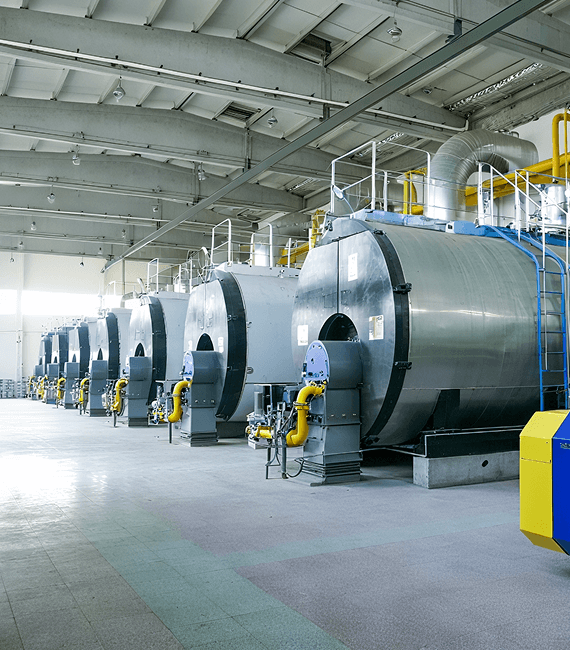

Industrial boiler thermal efficiency is a crucial indicator for measuring boiler performance, fuel utilization, and operational economy. A precise understanding of its calculation methods is essential for engineers, plant managers, and energy auditors, especially in industries with high steam or heat demand. Mastering the logic of thermal efficiency calculations not only enables accurate assessment of boiler operating status but also provides a scientific basis for energy-saving optimization and cost control, helping enterprises achieve efficient and sustainable production operations.
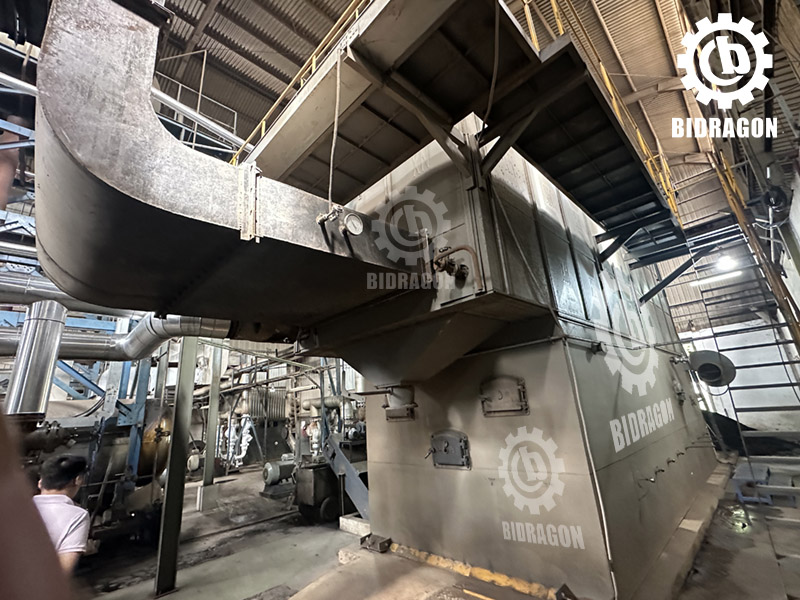
The essence of industrial boiler thermal efficiency is the ratio between the useful heat output generated by the boiler during operation and the total heat input provided by the consumed fuel, usually expressed as a percentage. This indicator directly reflects the boiler's ability to convert the chemical energy of fuel into effective heat energy and is a core benchmark for judging boiler performance.
The choice of fuel calorific value benchmark significantly impacts the thermal efficiency calculation results. Higher calorific values include the latent heat released by the condensation of water vapor after fuel combustion, while lower calorific values exclude this heat. A unified benchmark must be clearly defined for different calculation scenarios to avoid biased results. The definition of the heat conversion boundary is equally critical. Typically, the boiler body is used as the core boundary, clearly delineating the heat transfer links within the boiler system from external losses to ensure the accuracy of the calculation scope. It is crucial to distinguish between thermal efficiency and combustion efficiency, as they are fundamentally different. Combustion efficiency focuses on burner performance, measuring only the degree of complete combustion of fuel during the combustion process and addressing fuel losses due to incomplete combustion. Thermal efficiency, on the other hand, encompasses the entire process from fuel combustion to heat transfer, including not only losses during combustion but also various heat losses during heat exchange. It is a comprehensive evaluation of the overall energy utilization efficiency of the boiler.
The boiler efficiency indicator system includes multiple dimensions, each with different evaluation focuses and application scenarios. These distinctions must be clearly made in actual assessments to avoid confusion. Combustion efficiency is a fundamental indicator, focusing on the burner's performance. By monitoring parameters such as the residual combustible content after fuel combustion, it determines whether the fuel is fully burned. This indicator directly reflects the energy utilization status of the combustion process.
Thermal efficiency extends the perspective to heat exchange effects, comprehensively considering how much of the heat generated by combustion can be effectively transferred to the working fluid to form usable steam or hot water. It is a key indicator for measuring the core function of the boiler. Comprehensive efficiency evaluation covers a wider range, including not only combustion and heat exchange but also energy losses generated during the operation of auxiliary equipment such as fans and pumps, thus more closely reflecting the actual operating conditions of the boiler system.
Operating efficiency is dynamic and varies with boiler load fluctuations. Boilers typically achieve optimal efficiency under rated load; however, excessively high or low loads affect combustion stability and heat exchange efficiency, leading to a decrease in operating efficiency. Clearly understanding the meaning and applicable scenarios of various efficiency indicators is crucial for providing accurate data for boiler performance evaluation.
There is a mature standard method for calculating the thermal efficiency of industrial boilers. The direct method and the indirect method are the two most widely used core methods internationally. Each has its own characteristics in terms of calculation logic and applicable operating conditions, and the appropriate method should be selected based on actual needs.
The direct method, also known as the input-output method, has a clear and intuitive calculation logic. Its core is to directly measure the boiler's useful heat output and fuel heat input, and then use the ratio of these two to obtain the thermal efficiency. The formula for this method is relatively simple: the thermal efficiency value equals the useful heat output divided by the total fuel heat input, multiplied by 100%.
The calculation of useful heat output needs to be combined with working fluid parameters. For steam boilers, it is usually calculated based on the enthalpy corresponding to steam flow rate, steam pressure, and feedwater temperature. Subtracting the total enthalpy of the feedwater from the total enthalpy of the steam yields the useful heat transferred by the boiler to the working fluid. Fuel heat input is obtained by multiplying the fuel consumption by the fuel calorific value, which requires accurate measurement of fuel consumption and its corresponding calorific value.
The direct method is suitable for stable load conditions. In such scenarios, parameters such as steam flow and fuel consumption fluctuate less, resulting in higher accuracy of measurement results and more reliable calculated thermal efficiency. However, under variable load conditions, this method is prone to significant errors. This is mainly because load fluctuations cause frequent changes in key parameters such as steam parameters and fuel consumption rates, making accurate measurement difficult in a short period and thus affecting the accuracy of the calculation results.
The indirect method, also known as the heat loss method, follows the opposite logic to the direct method. Its core idea is to first calculate the various heat losses during boiler operation, and then subtract the sum of the percentages of each heat loss relative to the total fuel input heat by 100% to obtain the thermal efficiency. This method, by comprehensively analyzing energy loss processes, can more accurately reflect the boiler's energy utilization status and is therefore adopted by many international standards.
The types of heat losses during boiler operation are diverse, mainly including dry flue gas losses, fuel moisture evaporation losses, water vapor losses from hydrogen combustion, radiation and convection losses, incomplete combustion losses, and blowdown losses. Dry flue gas loss typically accounts for the largest proportion of all losses, primarily due to the direct release of high-temperature flue gas carrying a large amount of heat into the atmosphere. Its magnitude is closely related to parameters such as flue gas temperature and excess air coefficient.
Fuel moisture evaporation loss refers to the heat loss caused by the evaporation of water vapor from the fuel during combustion, which is then discharged with the flue gas. The higher the fuel moisture content, the greater this loss. Hydrogen combustion-induced water vapor loss occurs when hydrogen in the fuel reacts with oxygen to produce water vapor, and the latent heat carried by this water vapor is not utilized. Radiation and convection losses are losses caused by the boiler body dissipating heat to the surrounding environment, and are related to factors such as boiler external wall temperature, ambient temperature, and boiler surface area.
Incomplete combustion losses include chemical incomplete combustion losses and mechanical incomplete combustion losses. The former is caused by the incomplete combustion of combustible components in the fuel before being discharged with the flue gas, while the latter is caused by unburned fuel particles being discharged with ash. Blowout losses mainly exist in steam boilers. To maintain boiler water quality, a portion of high-temperature boiler water needs to be periodically discharged; the heat carried by this boiler water constitutes blowout losses.
The core reason why international authoritative organizations such as ASME adopt the indirect method as the standard calculation method is that it is more accurate and more practical for engineering applications. Through precise calculation and analysis of various heat losses, not only can the thermal efficiency value be obtained, but also the proportion and cause of each loss can be clearly identified. This provides a direct basis for developing targeted energy-saving renovation measures and helps enterprises accurately find breakthroughs to improve boiler efficiency.
Whether using the direct or indirect method, all parameters involved in the formula play a decisive role in the accuracy of the calculation results. Inaccurate measurement of any parameter can lead to significant deviations in efficiency calculations.
The higher and lower heating values of fuel are the core parameters for calculating fuel heat input. As mentioned earlier, different calorific value benchmarks directly affect the thermal efficiency value. Before calculation, the selected benchmark must be clearly defined, and the accuracy of the calorific value data must be ensured. The feedwater enthalpy and steam enthalpy are key to calculating useful heat output. These two parameters need to be obtained from thermodynamic property charts or specialized calculation software based on the corresponding temperature and pressure. The accuracy of these parameters directly determines the reliability of the useful heat output calculation.
The excess air coefficient is closely related to the oxygen content of flue gas. An excessively high or low excess air coefficient will affect combustion efficiency and heat loss. By monitoring the oxygen content of the flue gas, the excess air coefficient can be indirectly calculated, thus accurately assessing dry flue gas loss and incomplete combustion loss. Fuel composition is equally important. The content of combustible components such as hydrocarbons and sulfur affects the completeness of the combustion reaction and heat release, while ash and moisture content directly relate to the magnitude of mechanical incomplete combustion loss and moisture evaporation loss. Therefore, fuel composition analysis is the foundation for accurate calculation of heat loss.
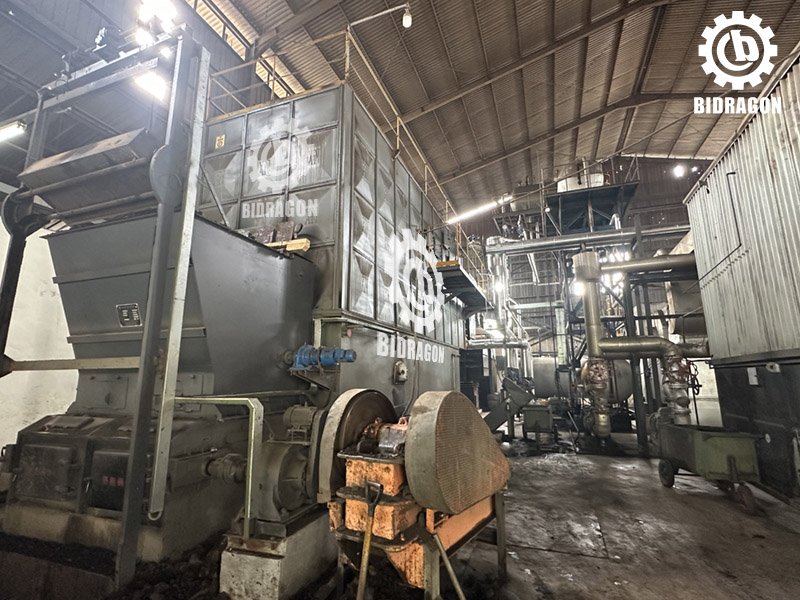
Among the various factors affecting the thermal efficiency of industrial boilers, the degree of influence of different heat loss sources varies significantly. Clearly understanding the characteristics and causes of each type of heat loss is a prerequisite for taking targeted optimization measures.
Dry flue gas heat loss accounts for the highest proportion of total heat loss in most industrial boilers, typically exceeding 50%. This loss mainly depends on the flue gas discharge temperature and the excess air coefficient. The higher the flue gas temperature and the larger the excess air coefficient, the more heat is carried, and the more severe the heat loss. Therefore, reducing the flue gas discharge temperature and rationally controlling the excess air coefficient are key ways to reduce dry flue gas heat loss and improve thermal efficiency.
The magnitude of radiation and convection heat loss is closely related to the boiler's size and specifications. Large boilers have a relatively small ratio of heating surface area to volume, resulting in a smaller heat dissipation area per unit volume, thus leading to relatively lower radiation and convection heat losses. Conversely, small boilers have a relatively larger heat dissipation area, making it easier for heat to dissipate to the surrounding environment through the furnace walls, resulting in a relatively higher proportion of these losses. Furthermore, the insulation effect of the boiler's external wall also affects radiative and convective heat losses. Damage to the insulation layer or a decline in the performance of the insulation material will exacerbate heat loss.
Fuel moisture evaporation loss is directly linked to fuel quality. Biomass fuels, lignite, and other fuels have high moisture content, requiring a significant amount of heat to evaporate during combustion. This heat cannot be converted into usable thermal energy, directly leading to a substantial reduction in effective heat input and thus affecting boiler thermal efficiency. The quality of pipe insulation is also crucial. Poor insulation of the boiler's steam and feedwater pipes will cause heat loss during transport. Although this loss is not directly included in the boiler's thermal efficiency, it affects the energy utilization efficiency of the entire thermal system, indirectly causing energy waste.
It is worth noting that most heat losses can be controlled through effective measures. Regular boiler maintenance and upkeep, including timely cleaning of slag and ash buildup on heating surfaces, can improve heat exchange efficiency. Optimizing combustion and properly controlling the excess air coefficient can reduce dry flue gas losses and incomplete combustion losses. Strengthening the insulation of the boiler body and piping, using high-quality insulation materials, and conducting regular inspections and maintenance can effectively reduce radiative and convective heat losses. These measures all provide strong support for improving boiler thermal efficiency.
Accurate calculation of industrial boiler thermal efficiency relies on complete and accurate measurement data. The completeness and accuracy of the measurement data directly determine the reliability of the calculated thermal efficiency results. Therefore, it is essential to identify the key data to be measured and strictly control the measurement quality.
The measurement of flue gas-related parameters is crucial, including flue gas temperature, flue gas oxygen content, and negative pressure within the furnace and flue. Flue gas temperature is a core parameter for calculating dry flue gas heat loss, requiring multiple measurements at key flue gas discharge points to ensure data representativeness. Flue gas oxygen content is the basis for calculating the excess air coefficient, which accurately assesses dry flue gas loss and incomplete combustion loss. The stability of furnace negative pressure affects the stability of the combustion process, thus influencing combustion efficiency and heat loss; therefore, real-time monitoring is necessary.
Measurement of fuel-related data is equally indispensable, primarily including calorific value, elemental composition, moisture content, and ash content. Fuel calorific value is the foundation for calculating fuel heat input and requires testing with a professional calorific value analyzer. The carbon, hydrogen, and sulfur components in the fuel directly affect the combustion reaction and heat loss calculation, requiring determination with elemental analysis instruments. Moisture and ash content are closely related to moisture evaporation loss and mechanical incomplete combustion loss, also requiring accurate measurement.
Measurement of working fluid parameters is also crucial; steam pressure, steam dryness, and feedwater temperature are key to calculating useful heat output. Steam pressure determines the enthalpy of steam, while steam dryness affects the actual heat of steam. Feedwater temperature directly relates to the enthalpy of feedwater. These parameters all require real-time monitoring using high-precision instruments. Simultaneously, all measuring instruments must meet corresponding accuracy requirements and be calibrated regularly to avoid inaccurate measurement data due to instrument errors, which would consequently affect the reliability of thermal efficiency calculations.
Industrial boilers utilize a wide variety of fuels, each with significantly different physicochemical properties. This not only affects the boiler's combustion process and operating characteristics but also directly impacts multiple aspects of thermal efficiency calculations. The specific characteristics of each fuel type must be fully considered in efficiency calculations.
Coal is a traditional boiler fuel, and its volatile matter content and ash melting point significantly influence the combustion process. Coal with high volatile matter content ignites and burns more easily, resulting in relatively higher combustion efficiency; conversely, coal with low volatile matter content is difficult to burn completely, leading to increased losses from incomplete combustion. The ash melting point directly affects whether coking will occur on the boiler's heating surfaces. A low ash melting point easily leads to coking, affecting heat exchange efficiency and thus reducing boiler thermal efficiency. When calculating thermal efficiency, it is necessary to accurately calculate mechanical incomplete combustion losses and heat losses carried by ash and slag, based on the specific composition of the coal.
Natural gas, as a clean fuel, is characterized by complete combustion and low pollutant emissions, resulting in a relatively high theoretical combustion efficiency. However, the combustion process of natural gas is significantly affected by the excess air coefficient. A too-small excess air coefficient leads to incomplete combustion, increasing chemical incomplete combustion losses; a too-large excess air coefficient leads to an increase in dry flue gas volume, exacerbating dry flue gas heat losses. Therefore, in the thermal efficiency calculation of natural gas boilers, it is crucial to focus on the measurement and control of the excess air coefficient to ensure the accuracy of the calculation results.
Biomass fuel is a renewable energy source that has been widely promoted in recent years, but its generally high moisture content is a major factor affecting its energy utilization efficiency. High moisture content in biomass fuels requires a significant amount of heat to evaporate moisture during combustion, resulting in a substantial reduction in effective heat input. It also increases the water vapor content in the flue gas, exacerbating latent heat loss carried by water vapor. Therefore, the calculation of moisture evaporation losses needs to be carefully considered in biomass boiler thermal efficiency calculations, fully taking into account the impact of moisture content on thermal efficiency.
The combustion performance of oil-fired boilers is closely related to the atomization of the fuel oil. Fuel with good atomization mixes thoroughly with air, resulting in more complete combustion and higher efficiency; conversely, fuel with poor atomization leads to incomplete combustion and increased unburned losses. Furthermore, while the calorific value of oil is relatively stable, different grades of oil have varying calorific values, requiring accurate acquisition of the calorific value data for the specific fuel used in thermal efficiency calculations. Additionally, oil-fired fuels produce less ash after combustion, resulting in relatively smaller mechanical unburned losses, which can be simplified in heat loss calculations, but the impact of chemical unburned losses still needs to be considered.
To ensure the uniformity and accuracy of industrial boiler thermal efficiency calculations, a series of relevant efficiency standards and calculation specifications have been established internationally. These standards and specifications differ in calculation methods and technical requirements, and are applicable to different application scenarios and boiler types.
ASME PTC 4 is one of the most authoritative international boiler performance testing standards. This standard explicitly emphasizes the use of the heat loss method for boiler thermal efficiency calculations. Its core feature is the detailed specification of calculation methods and measurement requirements for various heat losses. By accurately calculating various heat losses, it ensures the accuracy and reliability of thermal efficiency calculation results, providing a scientific basis for boiler performance evaluation. This standard is widely used in North America and has also had a significant impact on efficiency testing in the global boiler industry.
ISO 16528 establishes a globally applicable framework for boiler efficiency calculation. This standard emphasizes the universality and compatibility of calculation methods and is applicable to different types of industrial boilers using different fuels. Its core objective is to provide a unified efficiency calculation standard for all countries and promote the comparison and exchange of boiler performance data internationally. The ISO 16528 standard includes a detailed calculation process for the heat loss method and clearly defines the application conditions and measurement requirements for the direct method, allowing companies to choose the appropriate calculation method based on their specific circumstances.
EN 12952 and EN 12953 are specific standards for industrial boilers in Europe. EN 12952 mainly applies to large water-tube boilers, while EN 12953 applies to shell boilers. These two standards have more detailed requirements for thermal efficiency calculations, fully considering the design characteristics and operating habits of boilers in Europe. They make strict provisions for boiler heat loss calculations and the accuracy of measuring instruments, ensuring a unified technical standard for efficiency calculations of industrial boilers in Europe and providing guidance for boiler design, production, and operation.
Different international standards differ in their reference temperatures and calorific value bases. Some standards use ambient temperature as the reference temperature, while others use the boiler inlet feedwater temperature. Regarding the selection of the calorific value base, some standards use the higher heating value, while others use the lower heating value. These differences directly lead to variations in thermal efficiency calculations. Therefore, when calculating boiler thermal efficiency, it is crucial to clearly define the international standards used and strictly adhere to the reference temperature and calorific value benchmarks specified in the standards to ensure that the calculation results meet standard requirements and are comparable.
In the process of industrial boiler efficiency assessment, due to a lack of in-depth understanding of the principles of thermal efficiency calculation and boiler operating characteristics, some common misconceptions often arise. These misconceptions may lead to misjudgments of boiler performance, resulting in unreasonable operation and modification strategies and unnecessary increases in energy consumption and maintenance costs.
One common misconception is that higher flue gas temperature equates to better combustion. In reality, higher flue gas temperature does not necessarily equate to excellent combustion; on the contrary, it may indicate increased heat loss from dry flue gas. Excessively high flue gas temperature is usually due to poor heat exchange at the heating surfaces, resulting in the ineffective transfer of heat generated by combustion to the working fluid. A large amount of heat is discharged with the flue gas, in which case the boiler thermal efficiency is actually lower. The core indicator for judging the quality of combustion should be the degree of combustion completeness, not the flue gas temperature.
Applying condensing efficiency calculations to non-condensing boiler evaluations is a common misconception. Condensing boilers improve efficiency by recovering the latent heat of steam in flue gas, and their efficiency calculations include this recovered latent heat. Non-condensing boilers, however, cannot recover this latent heat. Applying condensing efficiency calculation methods to non-condensing boilers will lead to inflated efficiency assessments, failing to accurately reflect the actual energy utilization of the non-condensing boiler.
The idea that higher excess air equals greater safety is also flawed. While an appropriate amount of excess air provides sufficient oxygen for fuel combustion, ensuring complete combustion, an excessively high excess air coefficient does not increase safety. Instead, it significantly increases the volume of dry flue gas, carrying more heat and exacerbating heat loss. It also increases fan power consumption, leading to higher overall boiler operating costs. Therefore, the excess air coefficient should be controlled within a reasonable range, not necessarily higher.
Confusing boiler efficiency under load with rated operating efficiency is also a common problem. The rated efficiency of a boiler represents its optimal efficiency under its design rated load. However, in actual operation, boiler load often fluctuates with production demands. Under non-rated loads, both combustion and heat exchange efficiencies change, resulting in operating efficiency typically lower than the rated efficiency. Using rated efficiency as a substitute for actual operating efficiency in evaluations can lead to misjudgments of boiler operating economics and negatively impact energy-saving strategies.
Calculating the thermal efficiency of industrial boilers is a systematic project requiring accurate measurement data, strict adherence to standard calculation methods, and a deep understanding of the causes of various heat losses and the impact of fuel type. Direct and indirect methods, as core calculation approaches, each have their applicable scenarios and should be rationally selected based on boiler operating conditions.
Mastering the logic of thermal efficiency calculations and avoiding common evaluation pitfalls helps companies accurately grasp the energy utilization status of their boilers. This not only directly reduces fuel costs but also improves equipment reliability, promotes more efficient and sustainable production operations, and provides strong support for energy conservation and emission reduction in the industrial sector.