
Industrial boiler fuel substitution trend: from coal to gas to biomass
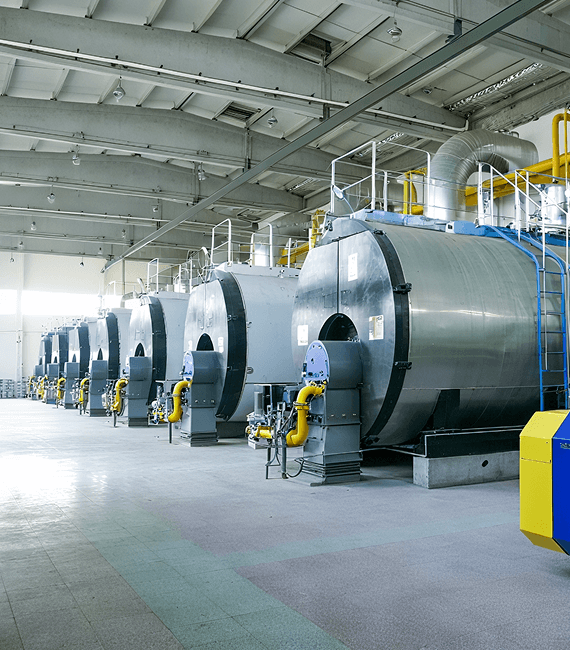
Industrial boiler is the factory's “energy heart”, chemical, textile, building materials and other industries to produce steam and heat, basically rely on it to supply.
Now enterprises choose boiler fuel, has not been “the cheaper the better”. Environmental protection, carbon reduction and pressure, coupled with fluctuating fuel prices, unstable supply, choose the right fuel is directly related to the operation of the plant and profitability. Why boiler fuel replacement from coal to gas to biomass, rather than one step? This is actually a pragmatic choice for companies after synthesizing costs, equipment, and risks.
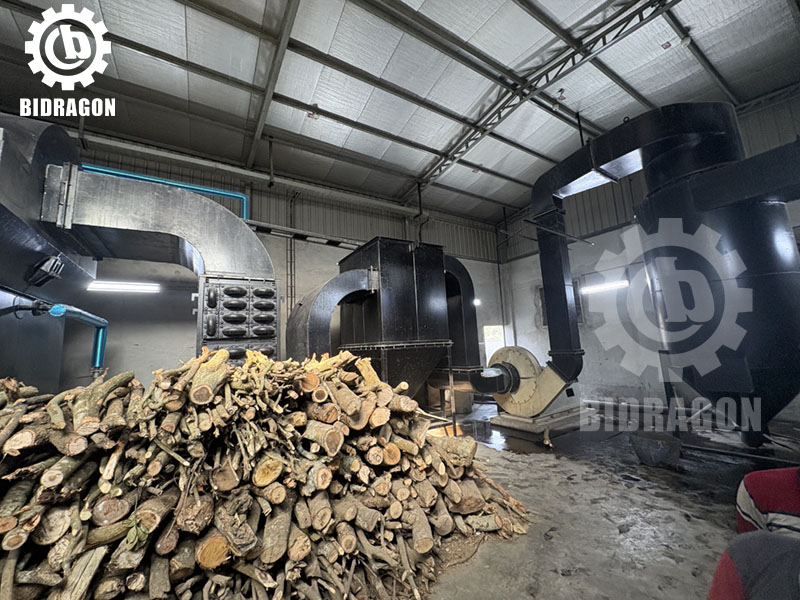
There is no substitute for industrial boilers in energy-intensive industries. Whether it is the production line of raw materials heating, product drying, or plant heating, living heat, are inseparable from the boiler output of steam and heat. Without stable boiler operation, the entire production chain may be interrupted.
Like the building materials industry, cement firing, chemical industry, reactor heating, textile industry, cloth printing and dyeing, food industry, sterilization, as well as paper mills, pulp cooking, the production process of these typical industries, each step of the boiler “energy supply”. It can be said that the operation of the boiler directly determines the factory's productivity and product quality.
Fuel selection is the key factor affecting the operation of the boiler. Choose the right fuel, not only to ensure a steady supply of steam and heat, but also to control emissions standards, to avoid being penalized by the environmental protection department; choose the wrong, may face frequent equipment failure, soaring operating costs, and even because of emissions exceeded the standard forced to stop the risk of production. For enterprises, the choice of fuel is never simply a matter of “energy procurement”, but a core decision related to compliance, stability and profitability.
For decades, coal has been the “workhorse fuel” for industrial boilers, almost the default choice for factory boilers. This is not without reason, but at the heart of the situation is the need to fit the needs of the company at the time.
The key point is that coal is cheap and stable supply. In the era of energy shortages, coal reserves, low mining costs, whether large factories or small and medium-sized workshops, can afford to buy and use. For enterprises at that time, production costs were the primary consideration, and fuel was good as long as it could burn, produce heat and cost less.
In addition, the technical maturity of coal-fired boilers is high. In the early years, the manufacturing, installation and operation and maintenance technology of coal-fired boilers has been very perfect, there are a large number of professionals on the market, companies do not have to worry about equipment breaks down no one to repair, but also do not have to spend a lot of money to train staff. This technical convenience also allows coal to dominate the industrial boiler fuel.
However, with the increasingly stringent environmental requirements, the shortcomings of coal are becoming more and more prominent. Coal combustion produces large amounts of sulfur dioxide, nitrogen oxides and particulate matter, which are the main sources of air pollution. Now whether it is a big city or industrial park, the standards for boiler emissions are getting higher and higher, coal-fired boilers to meet the standards, you need to invest a lot of money to transform the exhaust gas treatment equipment, operating costs will also increase significantly. For many enterprises, coal has changed from a “cost-effective choice” to a "compliance burden.
The most direct reason for enterprises to take the initiative to change boiler fuel is the pressure of environmental regulation. Previously loose emission requirements, coal-fired boilers simply deal with the exhaust can be over, now the more stringent standards, once exceeded, fines, shutdowns may come to the door, and even affect the normal operation.
Control of air pollutants is the core. Sulfur dioxide, nitrogen oxides and other pollutants have a big impact, the regulation is also becoming more and more stringent. Many regions have introduced boiler emission standards, clear coal-fired boilers either transformed, or change fuel, or not allowed to operate. Among them, small and medium-sized enterprises are under the greatest pressure. Large enterprises have the capital to change equipment, carry costs, small and medium-sized enterprises do not have the strength, and limited space in the plant, want to transform are not in a position to do so. Coupled with more frequent environmental inspections, more and more vigor, exceeding the standard penalty is very strict. For small and medium-sized enterprises, stopping production for a day will lose a day, so most of them take the initiative to consider changing the fuel or boiler, to avoid the risk.
Many companies in the selection of alternative fuels, will be entangled: why not just one step, choose the most environmentally friendly fuel? In fact, the alternative path from coal to gas to biomass, not policy mandatory, but in the actual operation of the enterprise, balancing compliance, cost, technology, risk and other factors after the optimal choice. Each step of substitution has its realistic rationality and fits the actual needs of enterprises.
The core reason why natural gas is the preferred choice for many companies in the coal substitution options is that it is clean. Compared to coal, natural gas produces very little sulfur dioxide, nitrogen oxides, and particulate matter when burned, and can meet today's environmental emission standards with little or no complex tail gas treatment equipment. For enterprises, switching to natural gas is equivalent to a direct solution to the big problem of emissions compliance, without having to worry about being penalized by environmental inspections.
In addition, the technical compatibility between natural gas and existing boiler systems is relatively high. Many coal-fired boilers can be converted to natural gas-fired boilers with simple modifications, such as replacing the burner and adjusting the air supply system. Not only is the cost of such conversion relatively low, but the conversion cycle is short and will not affect the production of the factory for a long time. For enterprises, without investing a large sum of money to replace brand new boiler equipment, they can quickly realize the fuel substitution, which is very cost-effective.
Another important point is that natural gas combustion is stable and the heat output is more uniform. Compared with coal-fired boilers, gas boilers run more stably and are less prone to problems such as flame-outs and fluctuations in steam pressure, which can ensure the continuity of factory production. And gas boiler operation and maintenance is also more simple, do not need special personnel to coal, ash removal, can save part of the labor cost. For many enterprises pursuing stable production, this is an important reason for choosing natural gas.
Although natural gas is cleaner and better than coal, it is not the optimal solution in the long term and can only be considered a transitional alternative fuel. The key point is that natural gas is still a fossil energy source, and carbon dioxide will still be produced after combustion. Now that the world is pushing forward with carbon reduction targets, companies are facing increasing pressure to reduce carbon emissions.
With the gradual improvement of the carbon pricing mechanism, enterprises need to pay for the cost of carbon dioxide emissions, and this cost may become higher and higher in the future. If they rely on natural gas in the long term, the pressure on them to reduce carbon emissions will increase, and they may need to look for lower carbon alternatives. In the long term, natural gas will not be able to support enterprises to achieve the goal of deep carbon reduction.
In addition, the supply and price of natural gas is highly volatile. Transportation of natural gas requires special pipelines or liquefaction equipment, and many companies in remote areas have no access to natural gas pipelines and have to choose liquefied natural gas (LNG), which is very expensive to transport. Moreover, international energy prices fluctuate frequently, and the price of natural gas also fluctuates sharply, which puts a lot of pressure on the cost control of enterprises.
After natural gas, biomass fuels are gradually becoming the new choice for many companies, and the core reason is its carbon-neutral property. Biomass fuels come from renewable resources such as plants, crop residues and forestry waste, which absorb carbon dioxide during the growth process. The amount of carbon dioxide released during combustion is basically equal to the amount absorbed during the growth process, and from the perspective of the whole life cycle, it will not increase the carbon dioxide content in the atmosphere, which can help enterprises realize their carbon emission reduction targets.
And the renewable properties of biomass fuels have been recognized and supported by the policy. Now many regions have introduced policies to encourage the use of biomass energy, such as subsidies, tax incentives, etc. Enterprises using biomass fuels can not only meet the environmental protection and carbon reduction requirements, but also enjoy the policy dividends and reduce operating costs. For enterprises, this is an all-in-one choice.
What's more, biomass fuel can adapt to the heat load demand of industrial boilers. Industrial boilers need stable heat output, and the combustion characteristics of biomass fuels and coal are relatively close to each other, after appropriate technical modifications, gas boilers or coal-fired boilers can be converted to burn biomass fuels. And biomass fuel from a wide range of sources, whether it is crop residues, wood chips, or food processing waste, can be used as raw materials for biomass fuel, the supply is relatively stable, the price is cheaper, can help companies control costs.
When enterprises choose alternative fuels, in addition to considering environmental protection and cost, they should also focus on the technical adaptability of the boiler to the fuel. Different fuels, combustion characteristics vary greatly, directly affecting the operating results and service life of the boiler, blindly replace the fuel, may lead to frequent boiler failures, and even safety hazards.
The difference between the combustion characteristics of coal, gas and biomass is obvious. Coal combustion speed is slow, need sufficient air and larger combustion space, and combustion will produce a large number of ash; natural gas combustion speed, high flame temperature, combustion, almost no ash; biomass fuel combustion characteristics between coal and gas, combustion speed faster than coal, but slower than natural gas, and biomass fuels, moisture and ash content of the larger differences in the combustion conditions of the requirements of a higher.
The difference in combustion characteristics, determines the boiler combustion system and fuel handling needs to be adjusted accordingly. For example, coal-fired boilers into gas-fired boilers, the need to replace the burner more suitable for natural gas combustion, adjust the proportion of air supply and combustion timing, the abolition of coal and ash removal system; if you change to burning biomass fuels, you need to increase the fuel crushing, drying equipment, adjusting the structure of the combustion chamber and the dust removal system, because the combustion of biomass will produce a certain amount of ash, and it is easy to coking.
This is why fuel substitution needs to be carried out in stages rather than in one step. Phased substitution allows companies to gradually accumulate technical experience and reduce technical risks. For example, first switch from coal to gas, familiarize yourself with the operation and O&M skills of gas boilers, and then gradually modify the equipment to switch to biomass fuel according to your own situation. If jumping directly from coal to biomass, many enterprises may fail to retrofit their equipment due to unfamiliarity with the technology, affecting production.
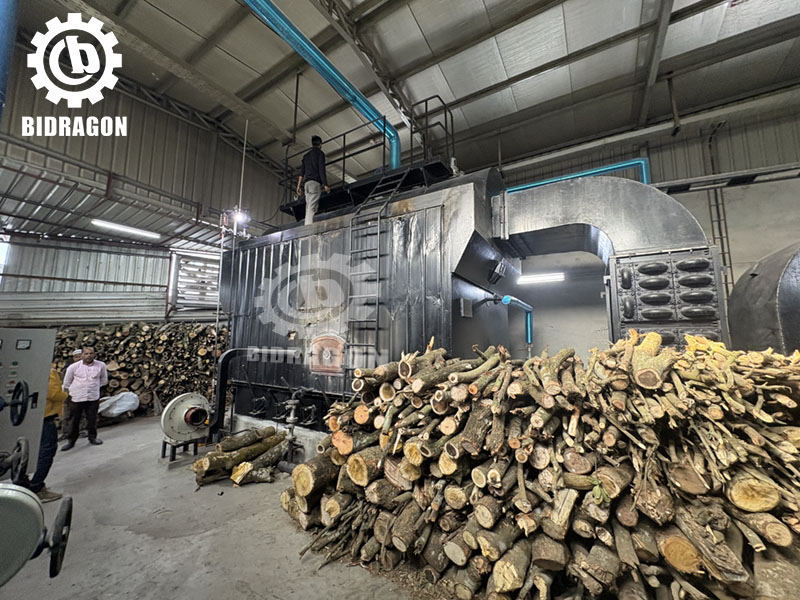
The stability of the fuel supply chain is directly related to the normal operation of boilers. Once the supply is cut off, the production of the plant will have to stop, and the loss is not small. The supply chains of coal, gas and biomass have their own characteristics and have different impacts on boiler operation.
The supply of coal and gas is relatively simple. Coal transportation methods, easy to store, enterprises can prepare in advance to deal with short-term supply constraints; natural gas, although the need for dedicated transportation and pipeline network, but access or sign a long-term contract, the supply can be guaranteed, but also do not have to store a lot of space, more worrying. The supply chain for biomass fuels is more complex. Raw materials from scattered sources, procurement and transportation costs are high, and moisture, particle size varies greatly, need special storage and pretreatment, otherwise it will affect the combustion effect, resulting in unstable boiler operation.
Stable fuel quality, boiler operation is safe and efficient. If the fuel composition, calorific value fluctuations, easy to flame out, coking and other problems, both affecting production and damage to equipment. Therefore, when choosing alternative fuels, enterprises will give priority to those with a stable supply chain, or make a reserve in advance for pre-treatment.
Nowadays, carbon accounting has become an important factor that enterprises must consider in fuel selection. In the past, when enterprises selected fuels, they were mainly concerned about whether the emissions were up to standard, but now they also have to pay attention to the amount of carbon emissions, as carbon emissions are not only related to the realization of carbon reduction targets, but may also affect the cost and competitiveness of enterprises.
The calculation of carbon emissions from coal and natural gas is relatively straightforward, based mainly on the calorific value and carbon content of the fuel. Coal has a high carbon content and produces a large amount of carbon dioxide emissions from combustion; natural gas has a lower carbon content than coal and has a relatively lower carbon emission intensity. For example, for the same generation of 1 ton of steam, the carbon emissions of a coal-fired boiler are considerably higher than those of a gas-fired boiler. Enterprises will clearly see this difference in their carbon accounting, which will also affect their fuel selection decisions.
Biomass fuels have special carbon properties and are usually recognized as carbon neutral in carbon accounting. This is because the carbon dioxide absorbed by biomass fuels during growth and the carbon dioxide released during combustion cancel each other out and do not add to the total amount of carbon in the atmosphere. So by using biomass fuels, companies not only reduce their carbon emissions, but also have an advantage in carbon accounting, making it easier to achieve their carbon reduction goals.
In the future, carbon emissions may become an important cost for enterprises. Enterprises that exceed their carbon emission standards or fail to meet their carbon reduction targets may face penalties or competitive disadvantages in the market. Therefore, when choosing fuels, many enterprises will now carry out carbon accounting in advance and prioritize fuels with low carbon emissions, so as to control carbon emissions at source and reduce their own carbon liability risks.
Many people will ask, since biomass fuels are the most environmentally friendly and in line with the long-term carbon reduction target, why don't we just go one step ahead and switch all enterprises to biomass fuels? In fact, fuel substitution is not a simple “fuel change”, but involves equipment modification, cost investment, technical reserves, risk control and other aspects of the systematic project, must follow a gradual path, can not be rushed.
Industrial energy systems have high requirements for risk control. The production of factories is continuous, and once the energy supply is interrupted or equipment failure occurs, it will cause huge economic losses. If a company jumps directly from coal to biomass fuels, it needs to invest a lot of money in retrofitting equipment, and there are many technical uncertainties, which will affect production in case of retrofitting failure or unstable equipment operation. Progressive substitution allows companies to test and adjust gradually, reducing risk.
The “one-step” replacement is not realistic for most enterprises. On the one hand, the financial pressure, direct replacement of biomass boilers or large-scale renovation of existing boilers, need to invest a huge amount of money, many small and medium-sized enterprises can not afford; on the other hand, the technology and talent reserves are insufficient, biomass fuel combustion and operation and maintenance technology, and coal, gas and there is a big difference between the enterprises need time to train staff, and accumulate operational experience. If forced to one-step, it is likely that due to capital, technology, talent and other issues, leading to the failure of the replacement, but to bring greater losses to the enterprise.
The fuel substitution of industrial boilers from coal to gas and then to biomass is not driven by a single factor, but is the optimal choice of enterprises after balancing environmental protection, cost, technology, and risk, which not only fits the actual operation, but also conforms to the global trend of carbon reduction. For enterprise decision makers, there is no uniform standard for fuel substitution, and it cannot be achieved overnight. Need to combine their own industry, capital, technology and other actual conditions, step by step to promote, taking into account the environmental protection and carbon reduction and production cost stability.